eSIM to Physical SIM: Everything You Need to Do First
If you’re considering switching from eSIM to physical SIM, it’s important to understand how the process works and what changes to expect. Moving from a digital SIM profile to a tra...
Quincy D.-Mar 06, 2026
Image by Unsplash
Table of Contents
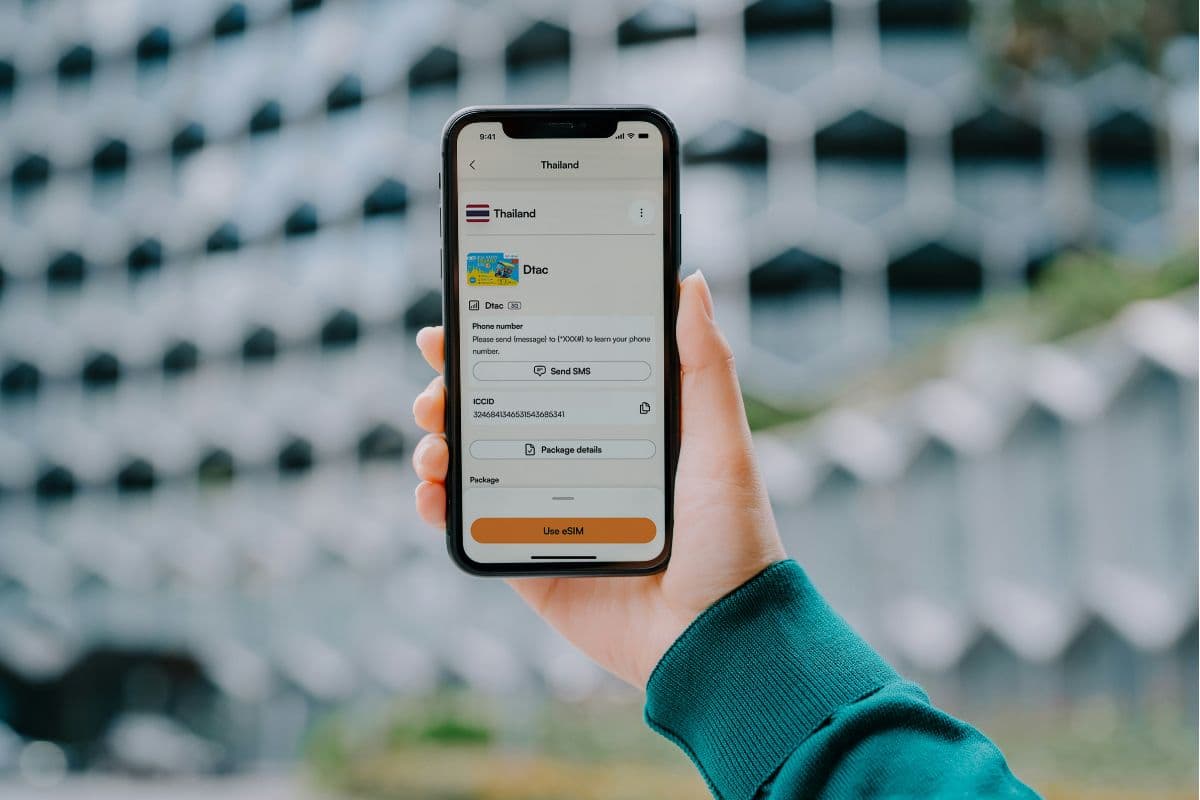
If you’re considering switching from eSIM to physical SIM, it’s important to understand how the process works and what changes to expect. Moving from a digital SIM profile to a traditional nano-SIM may require carrier assistance and device compatibility checks. While eSIM offers convenience, some users prefer a removable SIM for flexibility or troubleshooting.
The transition typically involves deactivating the eSIM profile and requesting a physical SIM card from your carrier. For step-by-step guidance and important considerations, refer to the full article from TAG Mobile below to learn more.
1. Can You Switch From eSIM to a Physical SIM?
Yes, you can switch from an eSIM to a physical SIM. Both formats serve the same purpose, connecting your phone number to your carrier’s network, but they are provisioned differently. Your carrier can deactivate the digital eSIM profile and reassign your existing number to a new physical nano-SIM card.
Once activated, the physical SIM functions just like the eSIM did, providing calls, texts, and mobile data under the same account.
If you’re considering making the switch, it’s important to confirm device compatibility and carrier support before requesting the change. Some Lifeline providers, including TAG Mobile, support both eSIM and physical SIM options on compatible devices, giving users flexibility based on their needs. Checking your plan details in advance can help ensure a smooth transition without service interruption.
Although eSIM technology offers digital convenience, it may not be the best fit for every situation. Some users choose to return to a physical SIM card due to device limitations, travel needs, or carrier policies.
Moving to a Phone Without eSIM Support: Not all smartphones include built-in eSIM hardware. If you upgrade or switch to a device that only supports a nano-SIM, transferring your number to a physical SIM becomes necessary.
Network Troubleshooting: In certain cases, carriers may recommend switching to a physical SIM to rule out provisioning or profile-related issues. While eSIM is generally reliable, a traditional SIM card can simplify diagnostics when resolving connectivity problems.
International Travel Needs: Some travelers prefer a removable SIM card for easier swapping between local carriers abroad. Physical SIM cards can be more convenient when purchasing short-term prepaid plans in countries where eSIM support is limited.
Carrier Requirements: Not all carriers or plans support eSIM activation. Some providers may require a physical SIM for specific account types, legacy plans, or regional network configurations.
3. How to Transfer eSIM to a Physical SIM (Step-by-Step)
Moving from a digital profile to a traditional SIM card requires coordination with your carrier. The process of switching from eSIM to physical SIM is not automatic because your mobile number must be reprovisioned onto a new SIM card.
Contact Your Carrier
Start by reaching out to your carrier through customer support, their mobile app, or an authorized retail location. Inform them that you want to move your existing number from eSIM to a physical SIM card. The carrier must deactivate the current eSIM profile before reassigning your service.
Request a Replacement Physical SIM
Ask the carrier to issue a replacement nano-SIM linked to your account. Some providers mail the SIM to you, while others allow in-store pickup. There may be a small replacement fee depending on the carrier’s policy.
Provide the IMEI of Your Device
Your carrier may request your device’s IMEI number to ensure compatibility and proper network provisioning. You can find this by dialing *#06# or checking Settings → About Phone (or Settings → General → About on iPhone). Providing the correct IMEI helps prevent activation errors.
Insert the New SIM Card
Once you receive the nano-SIM, power off your phone before inserting it into the SIM tray. Ensure the card is aligned properly with the notched corner facing the correct direction. After reinserting the tray, power the device back on.
Confirm Activation
Your carrier will activate the physical SIM and link it to your existing phone number. Wait for the signal bars and the carrier name to appear on the screen. You may need to restart the phone once to complete network registration.
Remove the Old eSIM from the Device
After confirming that calls, texts, and data are working on the physical SIM, you can safely delete the old eSIM profile from your device settings. This prevents conflicts between active lines and ensures only the physical SIM remains connected.
FAQs about switching from eSIM to a physical SIM. (Image by Unsplash)
Switching from a digital SIM to a physical SIM raises important questions about cost, data safety, and activation steps. Below are clear and accurate answers to help you understand what really happens during the transition.
Can I turn an eSIM into a physical SIM?
You cannot directly “convert” an eSIM into a physical SIM because they are different formats of the same mobile line. Instead, your carrier must deactivate the eSIM profile and issue a new physical nano-SIM linked to your account. Once the physical SIM is inserted and activated, your number and service are reassigned to that card.
Is switching from eSIM to SIM free?
In many cases, carriers may charge a small fee for issuing a replacement physical SIM card. Some providers waive this fee, while others treat it as a standard SIM replacement. The cost depends entirely on your carrier’s policy and whether you are within a promotional or assistance program.
Does switching erase data?
No, switching from eSIM to a physical SIM does not erase your personal data. Your photos, apps, contacts, and device settings remain unchanged because SIM technology only controls cellular network access. However, you will temporarily lose service during the activation process until the new SIM is fully provisioned.
Can you delete eSIM and go back to physical SIM?
Yes, you can delete the eSIM profile and return to using a physical SIM, but the physical SIM must first be activated by your carrier. Simply deleting the eSIM does not automatically restore service unless a physical SIM is already active in the device. Always confirm that the new SIM is properly provisioned before removing the existing eSIM to avoid service interruptions.
Switching from eSIM to physical SIM can be a practical choice depending on your device, carrier policies, or personal preference. While eSIM offers digital convenience, a physical SIM may provide easier swapping between phones or simpler troubleshooting in certain situations.
Before making the change, confirm compatibility and request proper activation support from your carrier. Taking a few minutes to understand the process can help prevent service interruptions. If you need guidance, compatible devices, or flexible plan options, visit TAG Mobile to explore solutions that keep you connected with confidence.
Notice: The government does not cover device costs, only basic service through Lifeline. Any free or discounted devices, upgrades, or top-ups are limited-time TAG Mobile offers and may vary by state, eligibility, and availability. Terms and conditions apply.
Share
TAG Blog
Stories, guides, and helpful updates for staying connected.