7 Signs That You Will Be Approved for Disability: What Really Strengthens a Claim
Disability approval depends on how convincingly medical evidence, functional limitations, and eligibility details support your application. Certain signs that you will be approved...
Quincy D.-Sep 30, 2026
Image by Unsplash
Table of Contents
Disability approval depends on how convincingly medical evidence, functional limitations, and eligibility details support your application. Certain signs that you will be approved for disability may indicate a stronger claim, but none can guarantee the Social Security Administration’s decision.
Reviewing these factors can help you identify missing records, explain how your condition affects employment, and prepare a clearer, more consistent application before submitting it for consideration.
1. 7 Signs That You Will Be Approved for Disability
Strong disability claims connect medical findings with specific limitations that prevent sustained employment. These seven factors reflect issues commonly considered during the SSA evaluation process, although every application receives an individual review.
Comprehensive and Up-to-Date Medical Documentation
Recent medical records provide a detailed account of diagnoses, test results, medications, treatments, and specialist evaluations. Consistent appointments also show that symptoms remain serious enough to require continued medical attention.
Among the strongest signs that you will be approved for disability is documentation connecting medical findings directly to workplace limitations. Physician notes should clearly explain why your condition affects attendance, concentration, mobility, stamina, or the ability to complete full-time work reliably.
Medical Conditions Lasting or Expected to Last at Least 12 Months
Social Security generally requires a medically determinable impairment that has lasted, or is expected to last, for at least 12 continuous months or result in death. Temporary injuries usually fail to satisfy this duration requirement.
Medical opinions, treatment records, and prognosis reports should establish how long the condition is likely to remain limiting. Claims may become stronger when evidence shows that serious symptoms persist despite appropriate treatment and are unlikely to improve enough for sustained employment.
Clear Medical Evidence Showing Severe Work-Related Limitations
Diagnosis alone does not prove disability because records must demonstrate how the condition restricts essential work activities. Relevant limitations may involve sitting, standing, lifting, concentrating, following instructions, interacting with others, or maintaining regular attendance.
Clinical findings, diagnostic tests, and physician assessments should support each reported restriction. Detailed evidence helps reviewers determine residual functional capacity and assess whether the applicant can perform work consistently throughout a normal schedule.
Strong disability claims connect medical findings with specific limitations that prevent sustained employment. (Image by Unsplash)
Consistency Between Medical Records and Reported Symptoms
Consistent details across medical records, application forms, personal statements, and work-history reports can strengthen an applicant’s credibility. Symptoms should reasonably match documented diagnoses, examination findings, prescribed treatments, and limitations reported during appointments.
Minor differences are understandable when symptoms fluctuate, but major contradictions may raise questions or delay the decision. Applicants should describe their experiences accurately and explain changes instead of overstating or minimizing how the condition affects daily activities and employment.
Inability to Perform Past Relevant Work
Evidence showing that medical limitations prevent a return to past relevant work can strengthen the claim significantly. Reviewers compare the applicant’s residual functional capacity with the physical and mental demands of qualifying jobs performed previously.
Detailed work-history reports should describe lifting duties, standing time, concentration requirements, technical tasks, and workplace conditions. Even when previous work is no longer possible, approval is not guaranteed because reviewers may still consider whether other employment can be performed.
Inability to Adjust to Other Types of Gainful Employment
Stronger claims demonstrate that medical restrictions prevent both previous work and other substantial gainful employment. Reviewers may consider residual functional capacity together with the applicant’s age, education, work experience, and transferable skills.
Limited education, advanced age, specialized experience, or extensive restrictions may reduce realistic adjustment options. Supporting evidence should explain why sedentary, less demanding, or unfamiliar jobs cannot be performed consistently, rather than showing only that preferred positions are unavailable.
Fulfillment of Non-Medical Eligibility Requirements
Medical eligibility represents only one part of the approval process. SSDI applicants generally need sufficient work credits and must meet applicable earnings rules, while SSI applicants face requirements involving income, resources, residency, and other personal circumstances.
One of the practical signs that you will be approved for SSI disability is satisfying financial requirements while presenting persuasive medical evidence. Accurate information about employment, household income, assets, identity, and living arrangements can prevent unnecessary delays or non-medical denials.
Seven common signs may indicate a stronger disability claim, though SSA reviews every application individually. (Image by Unsplash)
2. Medical Evidence vs. Diagnosis: What Matters More to SSA?
Medical evidence carries greater weight with the Social Security Administration than a diagnosis alone. While a diagnosis confirms that an impairment exists, it does not establish whether the condition prevents someone from maintaining substantial gainful employment.
Functional evidence explains what an applicant can still do during a normal workday. Treatment notes, test results, physician opinions, and residual functional capacity findings should document restrictions involving mobility, concentration, stamina, attendance, communication, or other essential work activities.
3. What Additional Benefits and Assistance Programs Become Available With SSI Approval?
SSI approval may help recipients access other assistance, including Medicaid, SNAP, housing support, and Lifeline, although eligibility and enrollment procedures vary by program and state. Beyond reviewing signs that you will be approved for disability, applicants should consider which additional benefits could reduce essential household expenses.
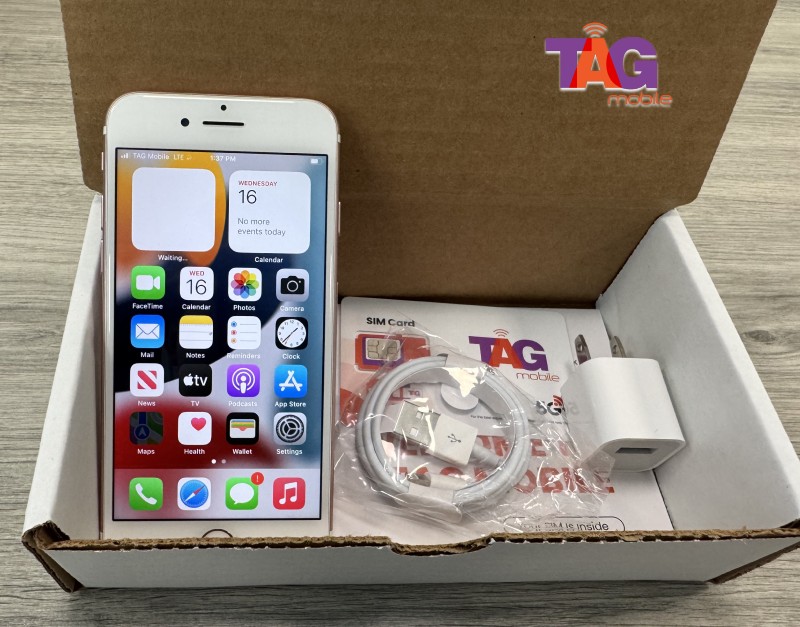
SSI participation provides a direct program-based route to Lifeline eligibility. TAG Mobile is a Houston-based wireless provider that offers Lifeline-supported phone service, affordable prepaid options, nationwide coverage, multilingual assistance, and discounted devices for eligible customers.
Available plan features are designed to support communication with healthcare providers, government agencies, employers, and family members. Depending on the customer’s state, current TAG Mobile Lifeline offerings may include:
Up to 16GB of data
Unlimited nationwide talk and text
Free international calling to more than 200 countries and territories
Free delivery and access to discounted smartphones
Contract-free service with no credit check
Affordable data upgrades when additional usage is needed
Applicants can qualify for Lifeline through either of these primary routes:
Program-based eligibility: Participation in SSI, SNAP, Medicaid, Federal Public Housing Assistance, Veterans Pension and Survivors Benefit, or certain Tribal assistance programs may qualify the household.
Income-based eligibility: Household income at or below 135% of the applicable Federal Poverty Guidelines may satisfy Lifeline requirements.
Only one Lifeline benefit is allowed per household, and documentation may be required. Plan features, device offers, and availability vary by location.
A device (free or discounted) along with a data plan through TAG Mobile guarantees to elevate your daily life.
Note: Eligibility varies by state and program. Offers depend on availability and qualifications. TAG Mobile operates under the federal Lifeline Program as an Eligible Telecommunications Carrier (ETC). Service is non-transferable and limited to one service per household.
4. FAQs about Disability Approval
Approval decisions depend on medical evidence, functional limitations, work history, and non-medical eligibility requirements. Although several signs that you will be approved for disability may strengthen a claim, only an official SSA notice confirms the outcome.
Does SSA Contact You Before Approving Disability?
SSA may contact an applicant for missing records, clarification, an interview, or a consultative examination before reaching a decision. Such contact does not confirm approval, and the final outcome is normally communicated through an official mailed notice or online account update.
Does Age Affect a Social Security Disability Decision?
Age may affect whether SSA believes an applicant can adjust to other work, particularly during the vocational stage of its evaluation. However, older age does not replace the need for medical evidence proving a severe, long-term impairment.
How Long After Disability Approval Do Benefits Start?
SSI can generally begin no earlier than the first full month after the application date or the month eligibility begins, whichever is later. SSDI normally includes a five-full-calendar-month waiting period measured from the established disability onset date, so payment timing depends on when SSA determines the disability began.
What Happens After SSA Approves Disability?
Once approved, the applicant receives an award notice explaining the benefit amount, payment date, and any past-due benefits. Recipients must continue reporting required changes and may undergo periodic reviews to confirm that medical and non-medical eligibility continues.
Strong records, consistent statements, long-term limitations, and an inability to perform sustainable work are meaningful signs that you will be approved for disability, but none guarantees a favorable decision. S
SI approval may also create access to Medicaid, SNAP, Lifeline, and other assistance. Eligible recipients can check TAG Mobile for affordable wireless service and discounted device options. Review every requirement carefully before submitting an application.
Share
TAG Blog
Stories, guides, and helpful updates for staying connected.