Housing for Single Moms Near Me: How to Find Local Help and Affordable Homes
Navigating local housing options becomes much easier when you know which agencies and community programs operate in your area. Exploring housing for single moms near me can connect...
Quincy D.-Sep 28, 2026
Image by Unsplash
Table of Contents
Navigating local housing options becomes much easier when you know which agencies and community programs operate in your area. Exploring housing for single moms near me can connect your family with local affordable housing and rental assistance resources.
Because program funding and waitlists vary by region, reaching out to multiple local resources simultaneously is the best way to secure support sooner.
1. Where to Find Housing for Single Moms Near Me?
Finding local housing support usually works best when several sources are checked at the same time instead of relying on one waiting list.
Public agencies, subsidized properties, nonprofits, and referral services can each uncover different options based on household and program requirements.
Local Public Housing Agencies (PHAs)
Local PHAs administer programs such as public housing and Housing Choice Vouchers. They can explain current waitlists, application status, and program eligibility requirements.
Families searching for low income housing for single moms near me should check more than one nearby PHA when possible, since neighboring agencies often manage separate properties and waiting lists.
HUD-Assisted Apartment Properties
HUD-assisted apartment communities offer reduced rents to eligible low-income households through property-based subsidies.
Unlike portable vouchers, assistance is tied to the specific building or unit.
Applicants usually contact each property directly to ask about vacancies, income limits, bedroom availability, and waiting lists.
Checking several developments can increase the chance of finding an opening sooner.
City and County Housing Departments
City and county housing departments may offer rental assistance, affordable housing resources, homelessness prevention, and referrals to local programs.
Available support depends heavily on local funding and housing priorities.
These offices can also point families toward programs that may not appear in national searches, including short-term rental help and locally funded affordable housing.
Community Action Agencies
Community Action Agencies often help low-income families connect with housing and other essential support services. Some agencies also administer rental and homelessness-prevention assistance.
Because services vary by county, contacting the nearest agency directly can reveal programs with current funding, shorter application windows, or eligibility rules tailored to local residents.
Family and Housing Nonprofits
Local nonprofits may provide housing assistance, case management, and help connecting families with affordable housing.
Some organizations focus specifically on families, domestic violence survivors, or parents facing homelessness.
When searching for housing for single moms near me, nonprofit providers may offer housing support alongside other community services.
211
211 connects callers with nearby housing and community resources based on their location and immediate needs. Referrals may include housing assistance and other local support services.
Since local availability changes frequently, 211 can be a practical way to identify organizations that are currently operating or accepting applications in your area.
2. How to Find Low-Income Apartments Near Me Step by Step
Affordable rentals are easier to track down when the search follows a clear sequence instead of jumping between random listings.
Starting with official housing agencies, then widening into property-level and nearby-area searches, can make the process more efficient.
Step 1: Find Your Local Housing Authority
Start by identifying the Public Housing Agency that serves your city, county, or surrounding area.
Its website should explain public housing, Housing Choice Vouchers, income limits, application rules, and current contact information.
Searching for single mom housing assistance near me can also help surface nearby PHAs, but verify each result through an official government source before applying.
Step 2: Check Which Waitlists Are Open
Waitlist status can change frequently, so review each housing authority’s website before submitting an application. Some agencies accept applications year-round, while others open for only a short period.
If one list is closed, check neighboring jurisdictions rather than stopping the search. Separate PHAs often manage their own waiting lists and may operate on different schedules.
Step 3: Search HUD-Assisted Properties
HUD-assisted apartment properties can offer reduced rents to qualifying low-income households through property-based subsidies. These units are tied to specific buildings rather than portable vouchers.
Use official HUD property-search tools to identify developments in your preferred area, then review each property’s contact information, eligibility requirements, and application status.
Step 4: Search Your City and County Housing Websites
Local government housing websites may list affordable housing resources and rental assistance that do not appear prominently in national searches.
Check both city and county pages because each may manage different programs. Housing departments may also publish directories and application resources for local housing programs.
Step 5: Contact Properties Directly
Calling or emailing apartment communities can provide details that online listings may not show. Ask about availability, rent, eligibility requirements, application costs, and waitlist status.
Property managers may also explain whether units receive project-based assistance or follow separate income-restricted rent rules.
Step 6: Expand Into Nearby Areas
Broadening the search beyond one ZIP code can uncover more openings, especially when central-city waiting lists are long.
Nearby suburbs, counties, or smaller communities may have different rent levels and application timelines.
Before expanding too far, consider transportation and access to essential family services so lower rent does not create higher costs elsewhere.
3. What Documents are Needed to Apply for Low-Income Housing?
Housing applications usually move more smoothly when income, identity, residency, and household records are prepared before a waitlist opens.
Families searching for housing for single moms near me should keep both digital and paper copies ready because individual housing authorities and properties may request different forms of verification.
Proof of identity: Government-issued photo ID, driver’s license, state ID, or passport for adult household members.
Social Security information: Social Security cards or numbers may be requested for household members when required by the program.
Birth certificates: These can help verify children, ages, and household composition.
Income documentation: Recent documentation showing household income and other qualifying financial information.
Bank and asset records: Some programs may request current bank statements or information about savings and other assets.
Proof of residency: Utility bills, lease agreements, official mail, or other documents showing a current address.
Benefit verification: SNAP, TANF, SSI, disability, or other assistance letters may be useful when determining eligibility.
Housing history: Current and previous landlord information, rental records, or eviction-related documents may be requested.
Disability or accommodation documentation: Relevant records may be needed when requesting a reasonable accommodation or accessible unit.
Household information: Names, ages, relationships, and other required details for everyone who will live in the home.
Prepare income, identity, residency, and household documents before applying for low-income housing. (Image by Unsplash)
4. How Can Subsidized Mobile Plans Help Maintain Contact with Housing Authorities?
Housing authorities may send time-sensitive communications, document requests, or waitlist updates with little notice. Keeping wireless service active can make it easier to respond before deadlines pass or an application loses priority.
The Lifeline Program helps eligible low-income households reduce the cost of qualifying phone or internet service. It can make ongoing communication more affordable while applicants stay in contact with housing agencies, landlords, shelters, and caseworkers.
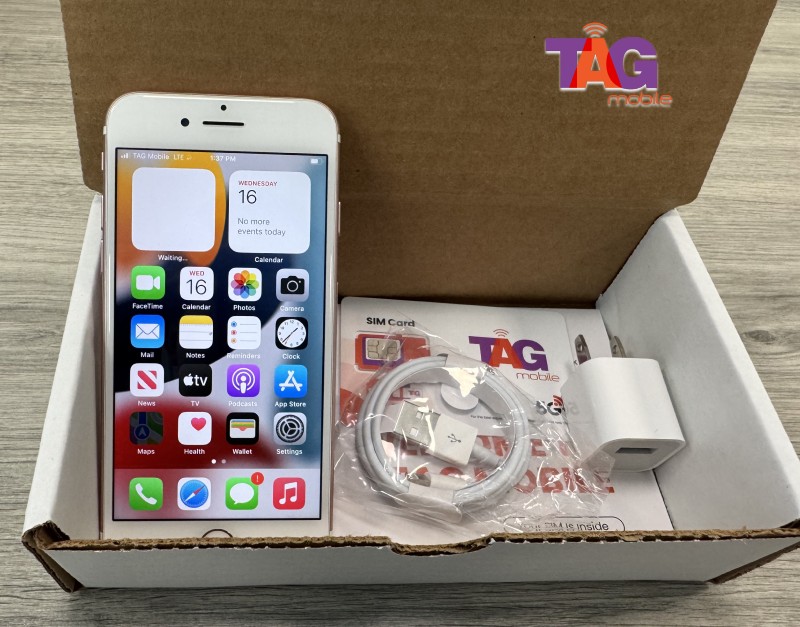
Meanwhile, TAG Mobile is a wireless provider and eligible telecommunications carrier that offers Lifeline-supported service to qualifying customers.
The provider’s current plan benefits can include several practical features, although exact offers vary by state and ZIP code:
Up to 16GB* of free data for housing searches, application portals, email, and document uploads.
Unlimited talk and text for communicating with housing providers and support organizations.
Free international calling to more than 200 countries and territories.
Free or discounted device offers may be available to eligible customers, depending on location, availability, and current offers.
Free delivery and useful calling features such as voicemail, caller ID, call waiting, and 3-way calling.
So if you are on the search for housing support, it’s also ideal to explore communications support that you may not know you can qualify.
*Offers may vary by state, plan, and are subject to future updates.
A free or discounted device paired with wireless service can help applicants stay connected during the housing search.
Note: Eligibility varies by state and program. Offers depend on availability and qualifications. TAG Mobile operates under the federal Lifeline Program as an Eligible Telecommunications Carrier (ETC). Service is non-transferable and limited to one service per household.
5. Final Thoughts
Housing options can vary widely by location, funding, and current availability. A search for housing for single moms near me may uncover affordable housing and rental assistance resources in your community.
Keep important documents ready and check more than one waitlist to improve access to available support. Eligible families may also qualify for TAG Mobile’s Lifeline-supported wireless service to help them stay connected.
Share
TAG Blog
Stories, guides, and helpful updates for staying connected.