Single Mom Home Buying Assistance to Make Homeownership More Affordable
Saving for a down payment and closing costs is often the largest hurdle when purchasing a property on a single income. Fortunately, exploring single mom home buying assistance can...
Quincy D.-Sep 30, 2026
Image by Unsplash
Table of Contents
Saving for a down payment and closing costs is often the largest hurdle when purchasing a property on a single income. Fortunately, exploring single mom home buying assistance can connect you with specialized lending options, local grants, and subsidized loan structures designed to make homeownership manageable.
Reviewing various state and regional initiatives will help you find a path tailored to your budget.
1. Top 7 Single Mom Home Buying Assistance Programs
Homebuying support does not always come in the form of a grant. Some options reduce the required down payment, others provide local financial assistance, and several combine affordable financing with education or long-term homeownership support.
State Housing Finance Agency Programs
State Housing Finance Agencies offer programs designed around the housing needs of their own residents. Depending on the state, assistance may include affordable financing and other forms of down-payment, closing-cost, or homeownership support.
For buyers researching single mom first time home buyer assistance, state HFAs are an important resource because eligibility requirements vary by state.
City and County Homebuyer Assistance
Cities and counties may offer financial and educational support for qualifying homebuyers through local housing departments. Programs can be funded through different levels of government, and eligibility often depends on household and program requirements.
Because application windows can open and close quickly, buyers should check both city and county housing websites rather than relying on one local source.
USDA Section 502 Direct Loan
USDA Section 502 Direct Loans help low- and very-low-income applicants purchase homes in eligible rural areas. Payment assistance can temporarily reduce monthly mortgage payments based on adjusted household income, making ownership more manageable for borrowers with limited resources.
This is a direct government loan rather than a grant. Buyers must meet USDA eligibility and repayment requirements before qualifying.
USDA Guaranteed Loan
USDA Guaranteed Loans are issued through approved private lenders and backed by the USDA. Qualified low and moderate-income buyers can receive up to 100% financing on eligible rural properties, which means no traditional down payment may be required.
Borrowers still need to satisfy applicable lender and USDA eligibility requirements. This option can be especially useful when savings for upfront costs are limited.
FHA Loans
FHA-insured mortgages can reduce the upfront savings needed because qualified borrowers may put down as little as 3.5%. FHA also allows the minimum required investment to come from acceptable sources that can include gifts, second mortgages, or qualifying down payment assistance.
FHA itself does not provide a grant. Instead, approved lenders issue the mortgage while FHA insurance helps make financing more accessible.
Conventional Low-Down-Payment Programs
Conventional programs such as Fannie Mae HomeReady and Freddie Mac Home Possible can require down payments as low as 3% for eligible borrowers. Both may allow eligible borrowers to use certain nontraditional sources of funds toward the required upfront costs.
Among home buying assistance programs for single moms, these options can work well for buyers who qualify for conventional financing but want to reduce upfront cash requirements.
Habitat for Humanity Homeownership Programs
Habitat for Humanity helps qualifying low- and moderate-income households pursue affordable homeownership through local affiliates. Future homeowners generally must meet Habitat’s local eligibility and homeownership requirements.
Habitat homes are not free. Participants typically complete financial education and sweat equity while working toward ownership, with monthly mortgage payments structured to remain affordable relative to household income.
Seven single mom home buying assistance programs can make homeownership more affordable. (Image by Unsplash)
2. Which Homebuying Assistance Options Serve Single Mothers in Texas?
Texas buyers can access statewide programs that reduce upfront costs without requiring assistance to be specifically reserved for single mothers. Comparing financing terms and eligibility requirements can help buyers identify an option that fits their household.
Texas State Affordable Housing Corporation (TSAHC)
TSAHC offers 30-year fixed-rate mortgages with down-payment assistance of up to 5% of the loan amount. Assistance may be structured as a grant or deferred forgivable second lien, and the program is available to both first-time and repeat buyers who meet current requirements.
For buyers researching home buying assistance for single moms in Texas, TSAHC can be especially useful because support may cover both down payment and closing costs through participating lenders.
Texas Department of Housing and Community Affairs (TDHCA)
TDHCA’s My First Texas Home program combines 30-year mortgage financing with down-payment and closing-cost assistance for eligible first-time buyers. Applicants must meet income and purchase-price limits, occupy the Texas property as a primary residence, and complete approved homebuyer education.
TDHCA also offers a Mortgage Credit Certificate that can reduce eligible first-time buyers’ federal income tax liability, creating another potential source of long-term savings.
3. Can a Single Mom Qualify for a Mortgage on One Income?
Qualifying for a mortgage on a single income depends on your overall financial profile rather than having a second co-borrower. Lenders primarily evaluate your Debt-to-Income (DTI) ratio, aiming to keep total monthly debt payments under 43% of gross income, alongside a stable credit history and consistent work record.
Additionally, non-employment revenue like court-ordered child support or alimony can often be counted as qualifying income if documented regularly for at least 12 months. Pairing these income sources with low-down-payment options, such as FHA or USDA loans, makes qualifying on one income realistic and manageable.
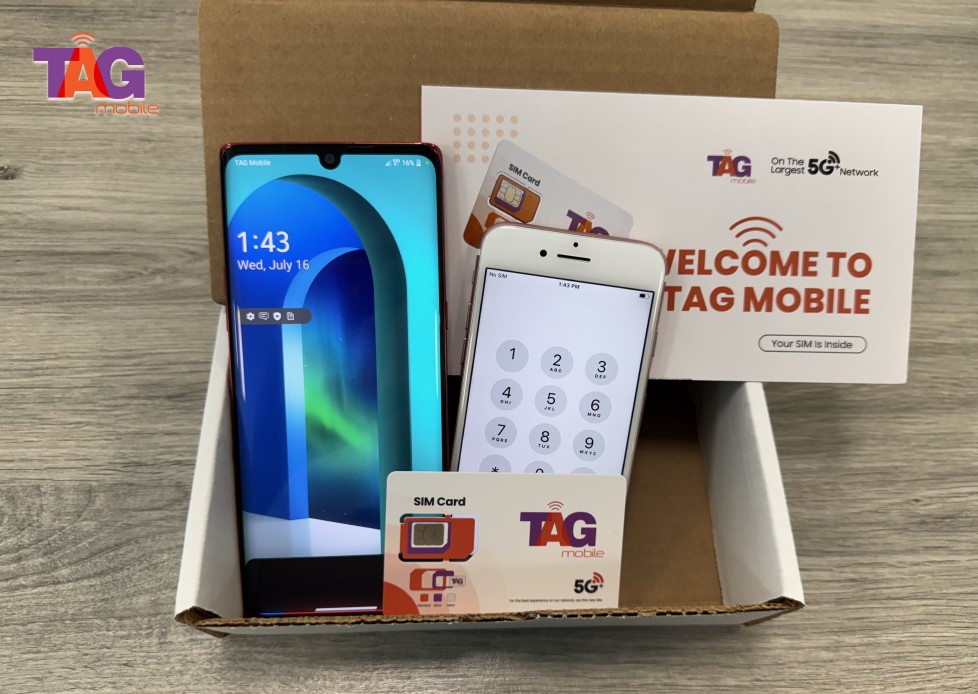
To lower monthly bills and improve your DTI ratio while preparing for homeownership, eligible single mothers can apply for TAG Mobile under the government-supported Lifeline program.
Qualifying applicants can receive free monthly data, unlimited talk and text, and even a free smartphone, ensuring reliable communication with mortgage lenders and realtors without extra strain on the household budget.
TAG Mobile is the one of the most trusted Lifeline provider choices for eligible US residents.
Note: TAG Mobile participates in the federal Lifeline program as an FCC-licensed Eligible Telecommunications Carrier (ETC). Eligibility requirements may vary by state and qualifying program. Available plans and devices depend on location, eligibility, and current inventory. Lifeline benefits are non-transferable and limited to one per household.
4. FAQs about Single Mom Home Buying Assistance
Rules around mortgages and single mom home buying assistance can differ depending on the loan type, lender, and assistance program. These answers clarify how FHA financing, first-time buyer status, and child-support income may affect qualification.
Can I combine down payment assistance with an FHA loan?
Yes, many approved down-payment assistance programs can be paired with FHA financing. The assistance must meet FHA and lender requirements, so confirm whether the funds are structured as a grant, forgivable loan, or second mortgage before closing.
Can a divorced mom qualify as a first-time homebuyer?
Yes, depending on the program. Some programs may treat a divorced or separated parent as a first-time buyer even if she previously owned a home with a former spouse, but eligibility rules vary by agency and loan product.
Does child support count as income when buying a home?
Yes, child support may count as qualifying mortgage income when it is properly documented and expected to continue for the period required by the lender. Borrowers may need court orders, payment records, or other evidence showing consistent receipt.
5. Final Thoughts
The path to homeownership may feel more manageable with the right combination of financing and financial support. Single mom home buying assistance may help reduce down payments, closing costs, or other expenses tied to purchasing a home.
Review eligibility rules, repayment terms, and lender requirements before you apply. Qualifying households may also use TAG Mobile’s Lifeline-supported service to keep monthly wireless costs lower.
Share
TAG Blog
Stories, guides, and helpful updates for staying connected.