eSIM vs Physical SIM: The Ultimate Comparison Guide 2026
When choosing a mobile plan, many users compare eSIM vs physical SIM to understand which option better fits their device and lifestyle. Both technologies connect your phone to a ca...
Quincy D.-Mar 02, 2026
Image by Unsplash
Table of Contents
When choosing a mobile plan, many users compare eSIM vs physical SIM to understand which option better fits their device and lifestyle. Both technologies connect your phone to a carrier, but they differ in setup, flexibility, and convenience. An eSIM is built into your device and activated digitally, while a physical SIM card must be inserted manually.
To explore compatibility, activation steps, and affordable service options for both SIM types, refer to the detailed guide and resources available from TAG Mobile to learn more.
An eSIM (embedded SIM) is a built-in digital SIM that is permanently installed inside your smartphone, tablet, or wearable device. Instead of inserting a small plastic card, you download a carrier profile directly to your device through a QR code, carrier app, or manual activation details.
When comparing eSIM vs physical SIM, the main difference is that an eSIM works digitally without needing a removable tray.
Advantages of eSIM
One major advantage of eSIM technology is convenience. You can switch carriers, add a second line, or activate a new plan without waiting for a SIM card to arrive in the mail. Many modern phones also allow you to store multiple eSIM profiles and switch between them easily.
Another benefit is improved durability. Since there is no physical tray, manufacturers can enhance water resistance and free up internal space for other components. eSIM also makes it easier to travel internationally because users can download a local data plan instantly.
Disadvantages of eSIM
Despite its flexibility, eSIM does have limitations. Not all carriers or regions fully support eSIM, which can create compatibility issues. In some cases, users may find it easier to swap a physical SIM between devices rather than reconfigure a digital profile.
Additionally, while it is possible to convert physical SIM to eSIM, the process depends on your carrier and device support. Some carriers allow instant conversion through their app, while others require contacting customer support.
Find the best SIM option for US phone users. (Image by Unsplash)
2. What Is a Physical SIM Card?
A physical SIM card (Subscriber Identity Module) is a small, removable chip that you insert into your phone to connect it to a mobile network. It stores essential subscriber information such as your phone number, carrier details, and authentication data. Without a physical SIM card, most phones cannot access cellular services like calls, text messages, or mobile data.
Advantages of a Physical SIM Card
One of the biggest advantages of a physical SIM card is its simplicity. Users can easily remove the card from one phone and insert it into another compatible device without needing to download or reconfigure anything. This makes switching phones quick and convenient.
Physical SIM cards are also widely supported across nearly all carriers and devices worldwide. In areas where eSIM is not fully available, a traditional SIM card remains the most reliable and universal option.
Disadvantages of a Physical SIM Card
However, physical SIM cards have some drawbacks. Because they are removable, they can be lost, damaged, or stolen. A thief could potentially remove the SIM card from a device, which may complicate tracking or security features.
Additionally, physical SIM slots take up internal space in a phone’s design. Unlike digital alternatives, users must wait for a SIM card to be shipped or visit a store before activating service, which can delay setup compared to instant digital activation methods.
When comparing eSIM vs physical SIM signal strength, it helps to look at how each option performs in real-world use. The table below highlights the key differences in setup, flexibility, compatibility, and everyday convenience.
Choosing between eSIM and a physical SIM depends on how you use your phone and what matters most to you. When comparing eSIM vs physical SIM, the best option often comes down to convenience, familiarity, and flexibility.
Frequent Travelers: eSIM Is Often Easier
For people who travel frequently, eSIM technology can be more convenient. Travelers can download a new carrier plan digitally without visiting a store or swapping out a card. This makes switching between domestic and international data plans much faster and more seamless.
Seniors or Simple Users: A Physical SIM May Feel More Familiar
Some users, especially seniors or those who prefer a traditional setup, may feel more comfortable using a Physical SIM. The ability to physically remove and insert the SIM card can feel more straightforward and easier to understand. There is no need to scan QR codes or manage digital profiles.
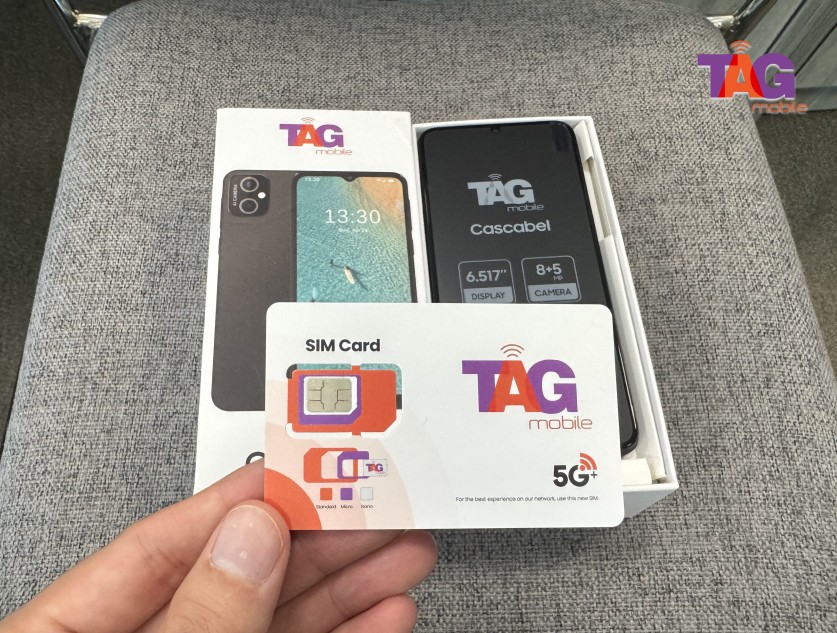
Apply for TAG Mobile free phone and SIM card/eSIM now!
BYOD Switchers: Both Options Work
If you are bringing your own device (BYOD), both eSIM and Physical SIM options can work well, depending on your phone’s compatibility. Many modern smartphones support both formats, giving eligible Lifeline users flexibility when changing carriers or plans.
Choosing between eSIM vs physical SIM doesn’t have to be complicated once you understand how each option works. eSIM provides quick digital activation and flexibility, while a Physical SIM offers a traditional, hands-on setup that many users still prefer.
Your ideal choice depends on your device compatibility, travel needs, and how often you switch carriers. The good news is you don’t have to limit yourself. TAG Mobile supports both formats. Check out TAG Mobile’s affordable plans and easy activation options to get connected the way that works best for you.
Notice: The government does not cover device costs, only basic service through Lifeline. Any free or discounted devices, upgrades, or top-ups are limited-time TAG Mobile offers and may vary by state, eligibility, and availability. Terms and conditions apply.
Share
TAG Blog
Stories, guides, and helpful updates for staying connected.