How to Disable Autocorrect Without Turning Off Everything Else
You reread a message after sending it and spot a word you never typed. Moments like this can make automatic corrections feel more frustrating than helpful, especially when they cha...
Quincy D.-Oct 12, 2026
Image by Unsplash
Table of Contents
You reread a message after sending it and spot a word you never typed. Moments like this can make automatic corrections feel more frustrating than helpful, especially when they change your meaning.
Let’s start to learn how to disable autocorrect on iPhone and Android while keeping the keyboard features you still want, so you can spend less time undoing substitutions and more time saying exactly what you mean.
1. How to Disable Autocorrect on iPhone
You can stop your iPhone from replacing words without losing spelling alerts or predictive suggestions. Apple’s built-in keyboard manages these features separately, so a small settings change lets you keep the assistance you find useful.
Step 1: Open Settings
Open Settings on your iPhone, then tap General.
Keyboard preferences are managed here rather than inside individual messaging apps, so this change applies wherever you type using Apple’s built-in keyboard, including messages, emails, and notes.
Step 2: Select Keyboard
Within General, tap the keyboard to display the typing controls. Stay on this screen rather than opening Keyboards, which lists installed keyboards and languages.
Look for Auto-Correction among the switches for spelling, capitalization, and predictive text.
Step 3: Switch Off Auto-Correction
Turn off the auto-correction switch to stop automatic spelling replacements.
Leave Check Spelling, Predictive Text, and Auto-Capitalization enabled if you still want them. You can adjust each feature independently without disabling the others alongside it.
Step 4: Check the Change in a Draft
Open Notes and type a name or word that was frequently replaced, then press space. Confirm that your spelling stays intact.
If replacements continue, check Text Replacement shortcuts or the settings of any third-party keyboard.
2. How to Disable Autocorrect on Android
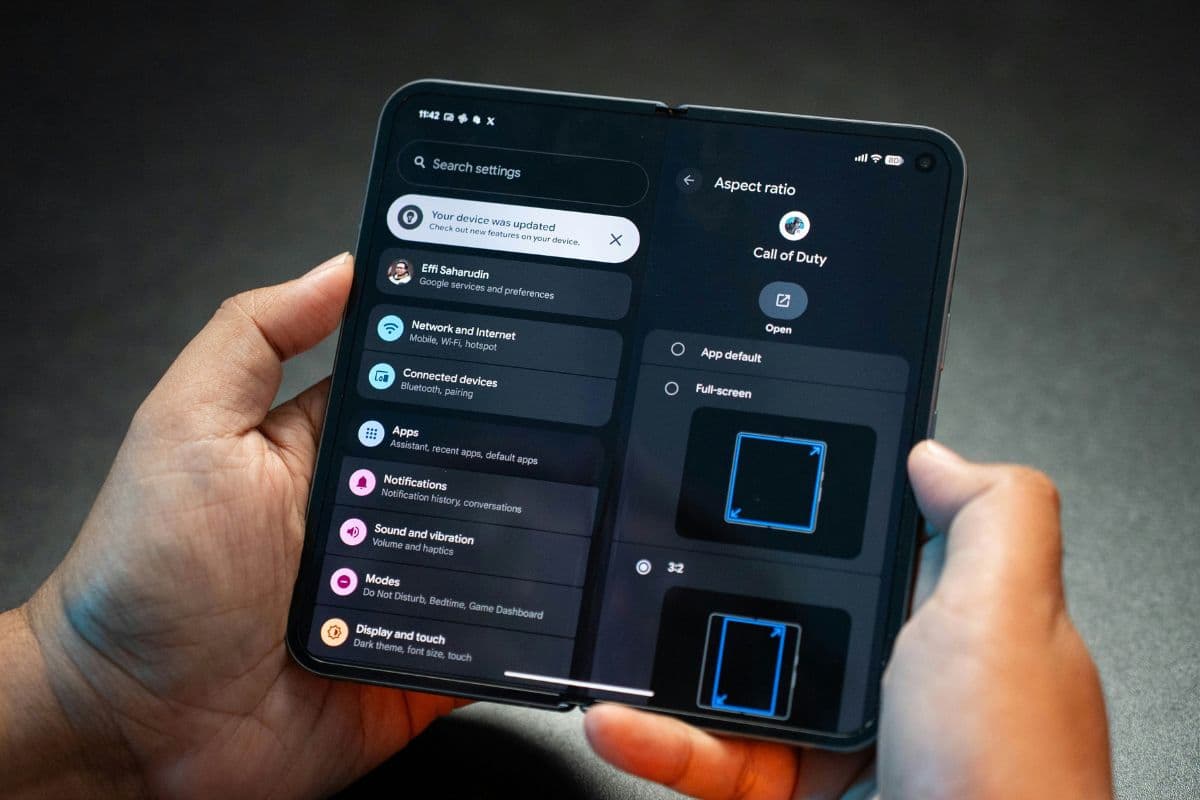
On Android, automatic word changes are controlled by your active keyboard rather than one universal phone setting. The steps below explain how to disable autocorrect in Gboard or the Samsung Keyboard while leaving useful suggestions available.
Step 1: Open Your Keyboard Settings
Tap a text field to bring up your keyboard, then select the settings gear from its toolbar. If the gear is hidden, open the toolbar menu or search your phone’s Settings for the keyboard’s name.
Step 2: Locate the Correction Options
For Gboard, open Text Correction or a similarly named correction menu.
For the Samsung Keyboard, look for Auto Replace within the Samsung Keyboard settings.
Labels and menu locations may differ slightly depending on your phone and software version.
Step 3: Turn Off Automatic Replacements
In Gboard, switch off auto-correction. In Samsung Keyboard, disable auto-replacement using the main switch or the toggles for individual languages, depending on your version.
Keep predictive text or the suggestion strip enabled if preferred.
Step 4: Test Before Sending a Message
Return to a draft and type a word your keyboard usually changes, followed by a space. Check that it remains unchanged and suggestions still appear. If you switch keyboards later, adjust the replacement settings there separately.
Turning off autocorrect gives you more say over the words you send, particularly when names, slang, or multilingual phrases keep getting replaced.
The tradeoff is more manual proofreading, so try typing without it for a few days before deciding whether the extra control improves your everyday experience.
Pros of Disabling Autocorrect
Your wording stays as intended: Proper names, informal expressions, and unfamiliar words are less likely to become unrelated terms when you press space.
You pay closer attention to spelling: Without automatic repairs, you may become more deliberate about checking what you type. Keeping spell check enabled can help you catch mistakes without accepting replacements automatically.
Fewer substitutions change your meaning: Disabling autocorrect reduces the chance of sending an awkward or misleading replacement to a friend, customer, or coworker.
Cons of Disabling Autocorrect
Corrections can take longer: Fixing missed letters and touchscreen mistakes yourself may interrupt your typing rhythm, especially during longer messages.
More typos can slip through: Fast typing can leave letter swaps, missing spaces, or spelling errors that autocorrect would otherwise repair.
Automatic assistance becomes less useful: Your keyboard stops applying spelling corrections for you. However, disabling autocorrect does not necessarily remove learned words or personalized suggestions; those features depend on separate keyboard settings.
4. 5 Autocorrect Mistakes That Create More Keyboard Problems
Stopping unwanted replacements should make typing easier, but changing unrelated settings can create new frustrations.
These common mistakes explain why a targeted adjustment works better than switching off every keyboard feature at once.
1. Turning Off Predictive Text Instead of Autocorrect
Predictive text offers words you can choose, while autocorrect replaces suspected mistakes automatically.
Turning off suggestions alone may leave unwanted replacements active. When checking how to disable autocorrect, find Auto-Correction, Auto-correction, or Auto Replace in your keyboard settings, then keep the suggestion controls enabled if you still find them helpful.
2. Disabling Every Typing Feature at Once
Switching off spelling alerts, capitalization, and suggestions together removes assistance that may have been working well.
It also makes it harder to identify which feature caused the original frustration. Change automatic correction first, test a short draft, and adjust other controls individually only if they continue interfering with your typing.
3. Changing Settings for the Wrong Keyboard
Your phone may have several keyboards installed, but each can manage its own correction behavior.
Adjusting Apple’s keyboard settings will not necessarily change a third-party keyboard, and disabling Gboard corrections will not configure the Samsung Keyboard.
Confirm which keyboard appears while typing, then open its settings before making the relevant change.
4. Resetting the Dictionary Before Checking Other Causes
Resetting a keyboard dictionary can remove useful learned words without fixing replacements caused by shortcuts or another keyboard.
First check automatic correction, text replacement entries, and language selection. Reserve a dictionary reset for persistent problems involving learned suggestions, and review its effects before giving up vocabulary you regularly use.
5. Expecting Autocorrect Settings to Control Every Text Change
Text replacement shortcuts, swipe typing, and app-specific writing tools can still affect your wording after autocorrect is disabled.
If changes continue, notice when they happen and check the relevant feature separately. Test ordinary key-by-key typing in a draft to distinguish automatic spelling replacements from predictions, shortcut expansions, or other assistance.
Fix autocorrect more effectively by steering clear of five changes that can cause additional keyboard frustrations. (Image by Unsplash)
5. FAQs about Disabling Autocorrect
Keyboard features often appear together in settings, but they do not all perform the same job. If you are learning how to disable autocorrect, understanding these differences can help you turn off unwanted corrections without losing other useful typing features. These answers clarify what you can keep enabled and what a dictionary reset actually changes.
Can I turn off autocorrect but keep predictive text?
Yes, Apple’s built-in keyboard, Gboard, and Samsung keyboard generally provide separate controls for automatic correction and word suggestions. Turn off Auto-Correction or Auto-Replace while leaving predictive text or the suggestion strip enabled.
Does turning off autocorrect turn off spell check?
Usually, no: automatic correction and spell checking are separate features. Where your keyboard supports independent controls, you can keep spelling alerts enabled and decide whether to correct flagged words yourself.
What happens if I reset my keyboard dictionary?
On an iPhone, resetting the keyboard dictionary removes words the keyboard has learned from your typing and returns that dictionary to its default state. Android keyboards have their own reset options, whose effects vary. Review the description carefully before clearing learned words or personalized typing data.
6. Final Thoughts
Autocorrect should make typing easier, not constantly change words you intended to use. For how to disable autocorrect, adjust the replacement setting first, then decide whether you still want features such as predictive text and spelling alerts. Try the new setup in a few messages to see which combination gives you the right balance of speed and control.
TAG Mobile also offers practical mobile tips for making everyday phone features work better for you.
Share
TAG Blog
Stories, guides, and helpful updates for staying connected.