Master Every Call: Why You Need a Dual SIM Phone in 2026
A dual SIM phone allows you to use two mobile numbers on one single phone, providing you with greater flexibility in communication and connectivity. This feature of a dual SIM phon...
Quincy D.-Mar 24, 2026
Image by Unsplash
Table of Contents
A dual SIM phone allows you to use two mobile numbers on one single phone, providing you with greater flexibility in communication and connectivity. This feature of a dual SIM phone can prove to be quite handy for you, especially when you need to use two different numbers for work and other purposes, as well as different carriers to get the best network signal.
To know more about the features of a dual SIM phone and how you can make the most of this feature, you can refer to the guide by TAG Mobile.
1. What Is a Dual SIM Phone? Why People Choose Dual SIM Phones
A dual SIM phone is a smartphone that can support two SIM profiles at the same time, allowing users to manage two phone numbers or mobile plans on a single device. Depending on the model, it may use two physical SIM cards or a combination of a nano-SIM and an eSIM.
This setup makes it easier to stay connected across different networks without carrying multiple phones.
Many users choose dual SIM phones for their flexibility and convenience. Here are some of the most common reasons:
Separate work and personal communication: You can keep one number for work and another for personal use, making it easier to manage calls and messages.
Use two different carriers for better coverage: Having access to two networks can help improve signal reliability, especially in areas where one carrier is weaker.
Save money with different plans: Users can combine a low-cost data plan with another plan for calls and texts to reduce overall expenses.
Convenient for travel: A local SIM can be used for data while keeping your home number active, avoiding expensive roaming charges.
Flexibility without carrying two phones: Everything is managed on one device, which is more practical for daily use.
While there are clear benefits, some users also consider the disadvantages of dual SIM mobile phones, such as increased battery usage or limited dual-standby functionality depending on the device.
2. How to Manage Dual SIM Settings on Your Phone?
Managing dual SIM settings properly helps you get the most out of having two numbers on one device. With the right setup, your phone can handle calls, messages, and data smoothly across both SIM profiles.
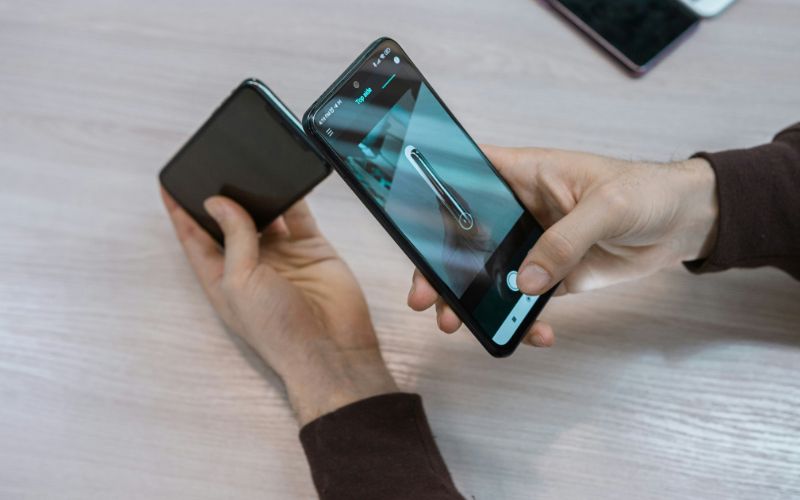
Some helpful tips you should know before using a dual SIM phone. (Image by Unsplash)
Step 1: Insert the First SIM Card or activate eSIM
You can begin by inserting the first SIM card into the phone’s SIM tray or activating an eSIM through your carrier. Once the device detects the SIM, it will automatically register the network and display signal information. This initial step ensures the phone is connected and ready to manage additional SIM profiles.
Step 2: Add the Second SIM Profile
Next, you should insert a second SIM card or add another eSIM profile through the phone’s settings. Most modern dual SIM card phones allow users to manage both SIMs simultaneously, either through dual physical slots or a combination of SIM and eSIM. After adding the second SIM, the phone will recognize both lines and display them in the settings menu.
Step 3: Label Each SIM Line
To avoid confusion, you can assign a label to each SIM line based on its purpose. For example, one line can be labeled “Work” while the other is labeled “Personal” or by a carrier name. This makes it easier to choose the correct SIM when making calls or sending messages.
Step 4: Select Default SIM Settings
Finally, you can choose which SIM to use by default for calls, texts, and mobile data. The phone allows you to set preferences for each function while still giving you the option to switch manually when needed. With these settings in place, both SIMs can work efficiently without interrupting your daily usage.
Before using a dual SIM phone, it’s important to understand how the feature works in real-life situations. A few key considerations can help you avoid common issues and get the best performance from your device.
Not all phones support full dual active mode: Many devices use dual standby, meaning both SIMs can receive calls, but only one can be active during a call.
Battery usage may increase: Running two SIM connections at the same time can consume more power, especially if both networks are actively searching for a signal.
Data usually works on one SIM at a time: Most phones allow you to select one SIM for mobile data, while the other is used mainly for calls and texts.
Network compatibility matters: Each SIM must be compatible with your phone’s supported bands and unlocked status to function properly.
Managing notifications and contacts is important: Labeling SIMs clearly (such as Work and Personal) helps avoid confusion when making calls or sending messages.
Check plan benefits before choosing a carrier: Choosing a reliable provider ensures stable connectivity and useful features.
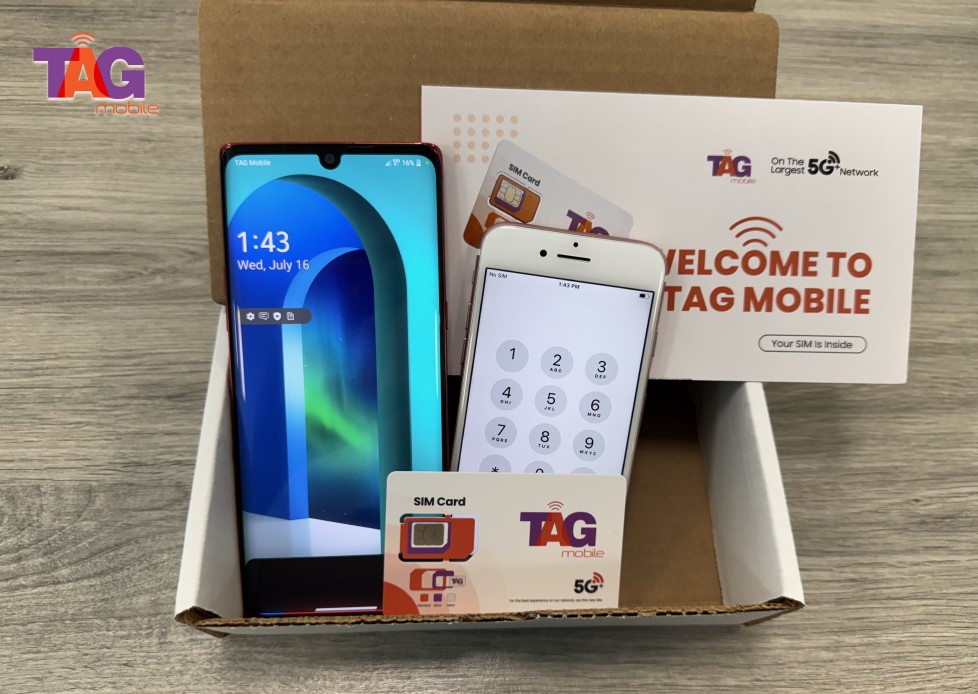
For a smoother and more reliable experience, choosing a trusted Lifeline provider from the Lifeline program like TAG Mobile, can make a big difference.
TAG Mobile specializes in affordable connectivity solutions for eligible low-income users, offering free or discounted smartphones along with SIM card or eSIM activation.
Qualified applicants may also receive unlimited talk and text, monthly data, free international calling to select destinations, Wi-Fi calling, and nationwide coverage.
TAG Mobile is the top Lifeline provider choice for eligible US residents.
4. FAQs About Dual SIM Phones
Dual SIM technology has become increasingly popular as users look for more flexibility in managing mobile connections. Below are some common questions that can help you better understand how dual SIM features work in everyday use.
What is a dual SIM phone used for?
A dual SIM phone is used to manage two phone numbers or mobile plans on one device. This setup is helpful for separating work and personal communication or using different carriers for better coverage. Many people choose dual SIM phones to simplify their daily communication without carrying multiple devices.
Can I use two carriers on one phone?
Yes, a dual SIM phone allows you to use two different carriers at the same time. Each SIM can connect to a separate network, giving you more flexibility in choosing plans or coverage. This is especially useful when one carrier offers better data rates while another provides stronger signal strength.
Can both SIM cards receive calls?
In most dual SIM phones, both SIM cards can receive calls while the device is in standby mode. However, when one SIM is actively being used for a call, the other SIM may temporarily become unavailable. Once the call ends, both lines return to standby and can receive calls again.
Do dual SIM phones support eSIM?
Yes, many modern dual SIM phones support eSIM along with a physical SIM card. This allows users to combine a traditional SIM with a digital profile for added convenience. With eSIM, switching carriers or adding a new plan becomes faster and does not require inserting another physical card.
A dual SIM phone can provide the smartest way to stay connected with the right setup, whether you are dealing with multiple numbers or balancing work and play. The dual SIM phone can also provide the best way to switch between different network providers to get the best network coverage. As the need to stay connected with the right mobile device continues to change, the dual SIM phone can provide the best way to get the right network coverage. If you are looking for the right network coverage to match your device, then TAG Mobile can provide the right SIM card and eSIM with the right plans for eligible customers.
Notice: The government does not cover device costs, only basic service through Lifeline. Any free or discounted devices, upgrades, or top-ups are limited-time TAG Mobile offers and may vary by state, eligibility, and availability. Terms and conditions apply.
Share
TAG Blog
Stories, guides, and helpful updates for staying connected.