What Is the Maximum Amount of Time Allowed for Safely Reheating Food?
Reheating leftovers safely involves more than making sure the food feels hot when it reaches the table. Time and temperature both matter because improperly reheated food can spend...
Quincy D.-Oct 25, 2026
Image by Unsplash
Table of Contents
Reheating leftovers safely involves more than making sure the food feels hot when it reaches the table. Time and temperature both matter because improperly reheated food can spend too long under conditions that allow bacteria to multiply.
The question what is the maximum amount of time allowed for safely reheating food therefore has an important food-safety context. Several factors, from the reheating method to the target internal temperature, determine whether previously cooked food is ready to serve safely.
1. What Is the Maximum Amount of Time Allowed for Safely Reheating Food?
What is the maximum amount of time allowed for safely reheating food? The commonly cited maximum time is 2 hours, but this refers to how long perishable food can remain unrefrigerated, not a required reheating duration.
According to the USDA, food should not remain in the temperature danger zone of 40°F-140°F (4°C-60°C) for more than 2 hours, or 1 hour when temperatures exceed 90°F (32°C). Leftovers should be reheated thoroughly to an internal temperature of 165°F (74°C).
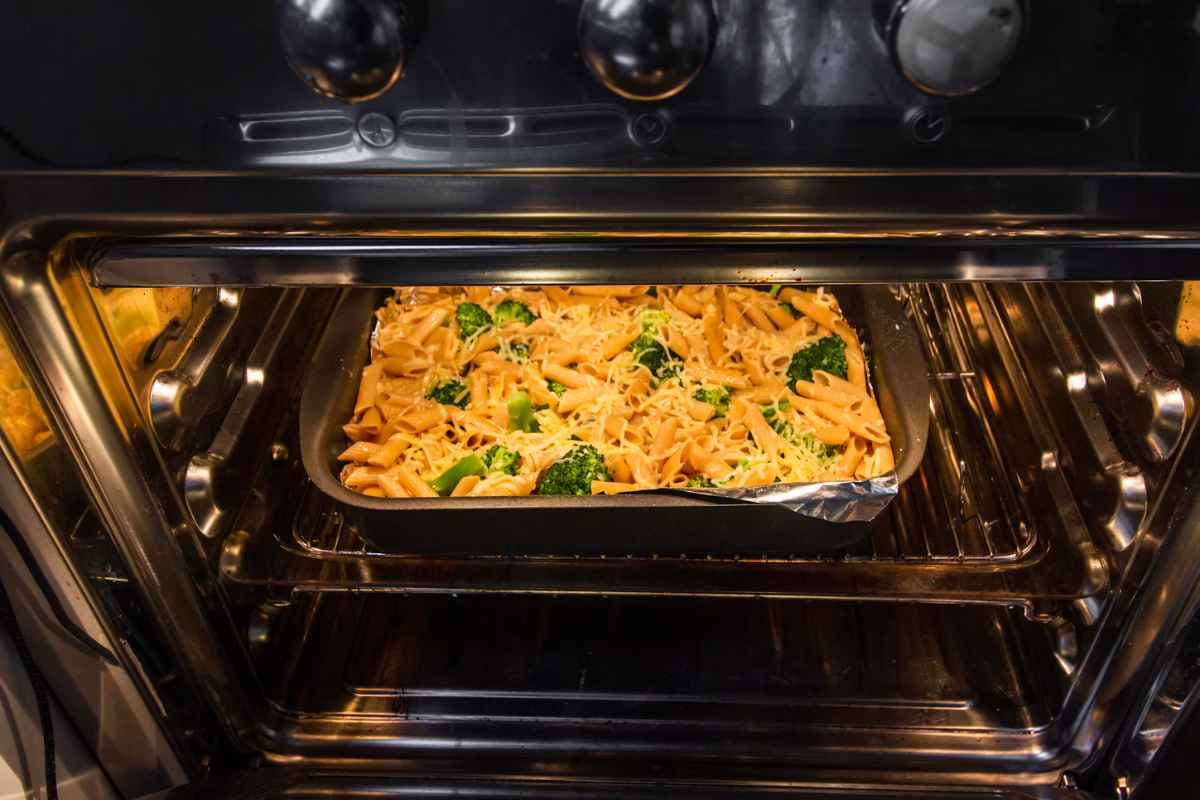
The commonly cited maximum time to safely reheat food is 2 hours. (Image by Unsplash)
2. How to Reheat Food Safely Within the Recommended Time?
Safe reheating depends on more than how long food stays on the stove or in the microwave. Following a few practical steps helps leftovers heat thoroughly while minimizing time spent at temperatures where harmful bacteria can multiply.
Step 1: Check How the Food Was Stored
Before reheating, confirm that leftovers were stored safely:
Refrigerate leftovers within 2 hours of cooking or serving, or within 1 hour when temperatures exceed 90°F.
Use refrigerated leftovers within 3-4 days.
Discard food that has exceeded safe storage limits rather than trying to make it safe through reheating.
Step 2: Choose a Suitable Reheating Method
Microwaves, stovetops, and conventional ovens can all reheat leftovers safely when used correctly. When considering what is the maximum amount of time allowed for safely reheating food, remember that the 2-hour rule concerns time outside safe temperature control. Choose a method that heats food promptly and thoroughly.
Step 3: Heat Food Evenly
Uneven heating can leave cold spots where harmful bacteria may survive. To distribute heat more evenly:
Stir soups, sauces, and mixed dishes during reheating.
Rotate microwave containers when necessary.
Cover microwave-safe dishes to retain moisture and help distribute heat.
Allow enough time for thicker portions to heat through to the center.
Step 4: Check the Internal Temperature
Use a food thermometer to confirm that leftovers reach at least 165°F (74°C) throughout. Insert the thermometer into the thickest part of solid foods and check several areas when reheating larger portions. Bring soups, sauces, and gravies to a rolling boil.
Appearance, steam, and touch alone cannot reliably confirm safe reheating.
Step 5: Serve Immediately or Hold Food at a Safe Temperature
Serve reheated food promptly once it reaches the recommended internal temperature. If serving is delayed, keep hot food at 140°F (60°C) or above using suitable hot-holding equipment.
Refrigerate remaining portions promptly, and avoid leaving perishable dishes at room temperature beyond the USDA’s recommended limits.
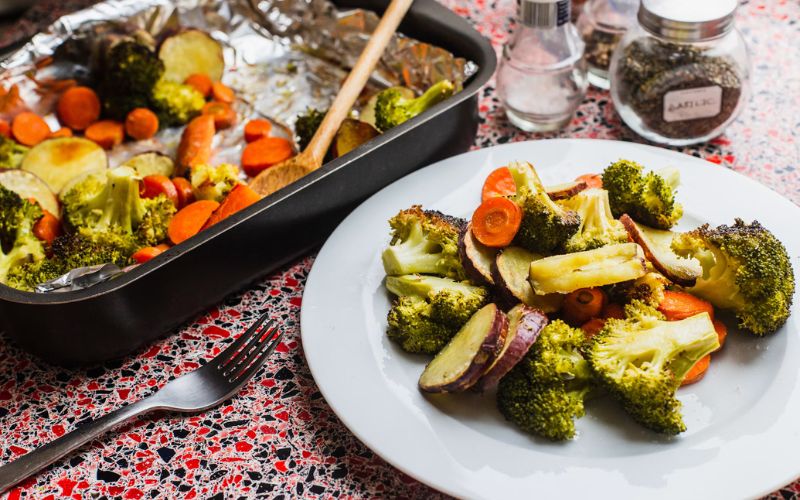
Reheat leftovers promptly and evenly to reach a safe temperature without unnecessary time in the danger zone. (Image by Unsplash)
3. Which Reheating Mistakes Can Make Food Unsafe to Eat?
Leftovers can look and smell perfectly normal even when poor handling has increased food safety risks. Paying attention to storage, temperature, and reheating technique can help prevent common mistakes before the food reaches your plate.
Reheating Food That Sat Out Too Long
Reheating does not automatically make improperly stored food safe again. When considering what is the maximum amount of time allowed for safely reheating food, remember that perishable leftovers should generally not remain at room temperature for more than 2 hours, or 1 hour when temperatures exceed 90°F (32°C). When in doubt, discard them.
Relying on Appearance Instead of Temperature
Steam, bubbling edges, or a hot container do not guarantee that the entire dish has reached a safe temperature. Cold spots can remain, particularly in thick foods or microwave-heated meals.
Use a food thermometer and check several areas to confirm leftovers have reached 165°F (74°C) throughout before serving.
Reheating Food Unevenly
Large portions and crowded containers can prevent heat from reaching the center efficiently. Divide leftovers into smaller portions when practical, stir foods such as soups and casseroles during reheating, and rotate microwave dishes as needed. Covering food can also help retain moisture and promote more even heating.
Using a Slow Cooker to Reheat Leftovers
Slow cookers are designed to heat food gradually, which makes them unsuitable for reheating refrigerated leftovers because food may spend too long warming through unsafe temperatures.
Reheat leftovers to 165°F (74°C) using a microwave, stovetop, or oven first. A preheated slow cooker can then be used for hot holding.
Leaving Reheated Food at Room Temperature
Food safety still matters after leftovers have been properly reheated. Serve the meal promptly or keep hot food at 140°F (60°C) or above until it is ready to eat. Leaving reheated dishes sitting at room temperature for extended periods can allow bacteria to multiply again as the food cools.
Leftovers can look and smell perfectly normal even when poor handling has increased food safety risks. (Image by Unsplash)
Reheating leftovers safely involves the right temperature, suitable equipment, and careful handling before and after heating. If you’re unsure what is the maximum amount of time allowed for safely reheating food, these common questions can help clarify proper reheating practices while reducing avoidable food safety risks.
What temperature must food reach when reheating?
USDA guidance recommends reheating leftovers to an internal temperature of at least 165°F (74°C). Let’s use a food thermometer to verify the temperature, checking multiple areas when necessary to make sure the food has heated thoroughly and evenly.
Can you reheat food in a slow cooker?
The USDA does not recommend using a slow cooker to reheat refrigerated leftovers because food may warm too slowly. Instead, reheat leftovers to 165°F using a stove, microwave, or conventional oven, then transfer them to a preheated slow cooker for hot holding if needed.
Is it safe to reheat food in a microwave?
Yes. A microwave can safely reheat leftovers when the food reaches at least 165°F throughout. Cover, stir, and rotate the food when appropriate to promote even heating and reduce cold spots. Allow standing time after reheating, then check the temperature in several places before eating.
Can you reheat food more than once?
Food can potentially be reheated again if it has been handled, cooled, and refrigerated safely between servings. However, repeatedly cooling and reheating increases opportunities for improper temperature control, so reheating only the portion you plan to eat is generally more practical.
Does reheating food kill all bacteria?
Proper reheating can kill many harmful bacteria, but it does not necessarily eliminate every food safety hazard. Some bacteria can produce heat-stable toxins that may remain even after reheating, which is why food that has been stored improperly should not be considered safe simply because it is heated again.
Final Thoughts
Safe leftovers depend on both time and temperature, not simply how hot the food feels. When asking what is the maximum amount of time allowed for safely reheating food, remember the 2-hour limit applies to perishable food left outside safe temperature control, while leftovers should reach 165°F when reheated.
By storing leftovers properly, reheating them evenly, and checking their internal temperature with a food thermometer, you can enjoy leftover meals with greater confidence and less worry about food safety.
Share
TAG Blog
Stories, guides, and helpful updates for staying connected.