15 Best Fast Food Fries: Who Truly Has the Crispiness Crown?
Few fast-food sides inspire as much debate as a carton of freshly cooked fries. The best fast food fries can be thin and salty, thick and potato-forward, heavily seasoned, curly, c...
Quincy D.-Oct 31, 2026
Image by Unsplash
Table of Contents
Few fast-food sides inspire as much debate as a carton of freshly cooked fries. The best fast food fries can be thin and salty, thick and potato-forward, heavily seasoned, curly, crinkle-cut, or shaped into waffles, depending on what you value most.
This ranking explores 15 major chains and the qualities that make their fries distinctive, from crunch and seasoning to shape, texture, and dipping potential.
1. Which Fast Food Joint Has the Best Fries?
Fries may look simple, but potato cut, seasoning, cooking method, and how quickly they’re served can create dramatically different results. If you’re debating which fast food has the best fries, these 15 chains offer some of the most recognizable styles in American fast food.
McDonald’s
McDonald’s fries are famous for their slender shape, golden exterior, and generous salty finish. They’re at their strongest straight from the fryer, when the outside stays crisp while the center remains soft.
For many diners, their familiar flavor and snackable texture make them a benchmark for classic fast-food fries.
Five Guys
Five Guys takes a more substantial approach with hand-cut potatoes cooked in peanut oil. Orders are famously generous, often spilling beyond the cup into the bag.
You can choose between two styles:
Five Guys Style: Lightly salted, with a straightforward potato flavor.
Cajun Style: Seasoned with Cajun spices for a bolder, more savory finish.
Checkers & Rally’s Famous Seasoned
Checkers & Rally’s Famous Seasoned Fries stand apart with a crispy seasoned coating rather than relying on salt alone.
Exterior: Crunchy, with a bold savory flavor.
Interior: Tender and soft.
That distinctive seasoning gives the best fast food fries conversation a noticeably different option from traditional salted styles.
Arby’s Curly
Arby’s Curly Fries turn shape into part of the experience. Their spiraled cut creates a mixture of crispy edges and thicker, softer sections.
The seasoned coating brings noticeably more flavor than standard salted fries. They’re particularly satisfying alongside a sandwich or dipped into one of Arby’s sauces.
Chick-fil-A Waffle Potato
Chick-fil-A’s Waffle Potato Fries use their signature lattice shape to create plenty of surface area for dipping.
Each order combines:
Crisp edges.
Thicker potato sections.
A relatively simple sea-salt seasoning.
The result is a more substantial bite than shoestring fries and an easy match for the chain’s wide selection of sauces.
Wendy’s
Wendy’s fries offer a familiar straight-cut style designed to balance a crispy exterior with a fluffy potato center.
They’re substantial enough to pair with a burger without feeling overly heavy. Salt provides the primary seasoning, making dipping sauces, Frosty combinations, and other custom pairings easy ways to change the experience.
Burger King
Burger King’s fries are thicker than many classic shoestring varieties, creating a softer, more noticeable potato interior.
Their main characteristics include:
A lightly crisp exterior.
A soft, potato-forward center.
Straightforward salty seasoning.
They’re a solid choice for diners who prefer more potato in each bite instead of an ultra-thin, intensely crispy fry.
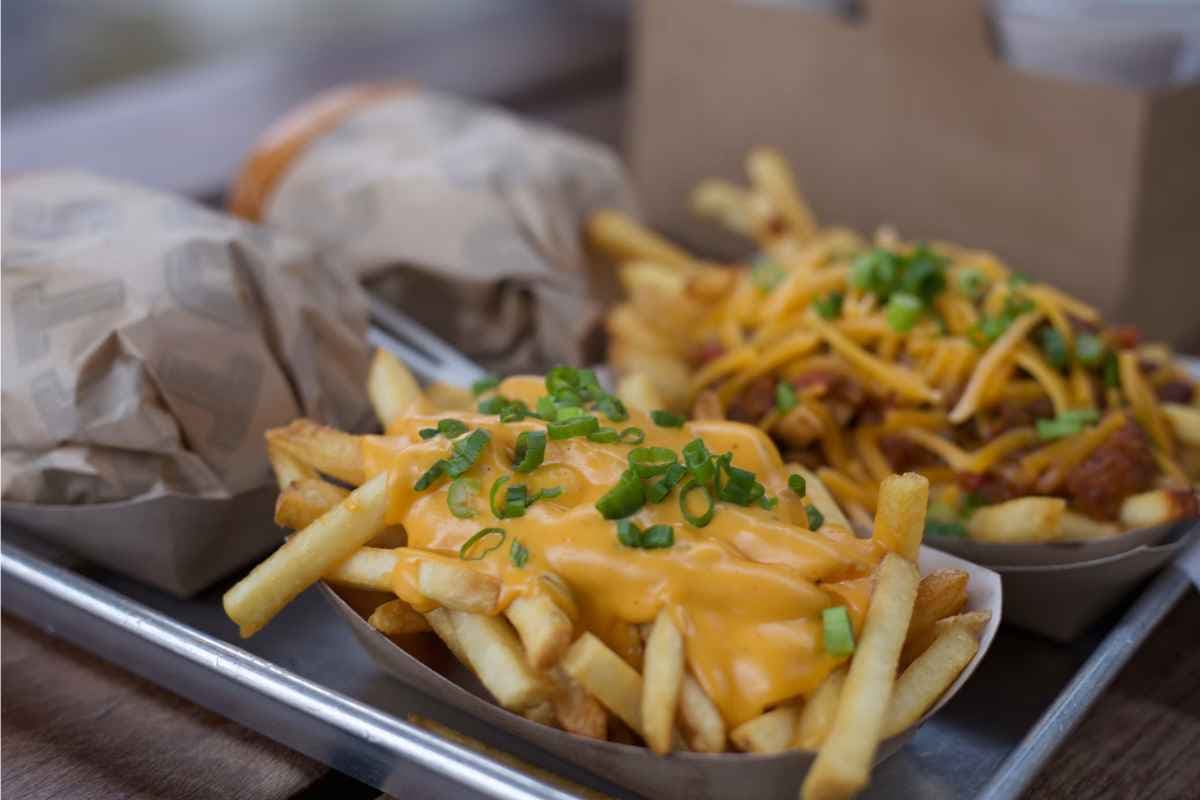
Burger King’s fries are thicker than many classic shoestring varieties, creating a softer, more noticeable potato interior. (Image by Unsplash)
Shake Shack
Shake Shack embraces crinkle-cut fries with pronounced ridges, a golden exterior, and a soft interior.
The structured shape works particularly well for scooping up:
Cheese sauce.
Ketchup.
Other favorite dips.
For diners who associate the best fast food fries with consistent texture and plenty of surface area for sauces, the crinkle-cut format has plenty of appeal.
Culver’s Crinkle Cut
Culver’s Crinkle Cut Fries deliver thick ridges and a substantial potato center. They’re relatively mild in flavor compared with heavily seasoned competitors, letting salt and potato take center stage.
The sturdy construction makes them well suited to ketchup, cheese sauce, or other dips without becoming difficult to handle after the first dunk.
Whataburger Fries
Whataburger keeps things classic with thin, straight-cut fries that provide plenty of crisp edges.
Their relatively slender shape makes them easy to snack on between bites of a burger or sandwich. They also pair naturally with several sauces:
Regular ketchup.
Spicy ketchup.
Other dipping sauces.
These options add more flavor than the basic salted fry provides.
Raising Cane’s Crinkle-Cut
Raising Cane’s Crinkle-Cut Fries are thick enough to maintain a soft, potato-forward center beneath the ridged exterior.
Their straightforward seasoning allows Cane’s Sauce to become a major part of the experience. They’re less about aggressive seasoning and more about providing a sturdy, familiar side for the chain’s chicken fingers.
In-N-Out
In-N-Out prepares its fries from fresh potatoes cut in the restaurant before cooking. The result has a lighter, distinctly potato-forward character that divides fry fans who prefer softer or more heavily coated styles.
There are two popular ways to customize an order:
Well-Done: Cooked longer for extra crispness.
Animal Style: Topped with cheese, spread, and grilled onions for a richer experience.
Sonic
Sonic’s fries follow a familiar straight-cut approach with a golden exterior and soft center.
Their simple profile makes them easy to pair with the chain’s burgers, hot dogs, and numerous dipping sauces. Sonic also offers tots for diners craving a different potato texture.
Jack in the Box
Jack in the Box offers traditional fries alongside seasoned curly fries, giving customers two noticeably different experiences:
Regular fries: A familiar, salty option.
Seasoned curly fries: More seasoning and textural variation from their spiral shape.
That flexibility makes the chain particularly useful when people sharing an order disagree about their preferred fry style.
Popeyes Cajun
Popeyes Cajun Fries bring a Southern-inspired seasoning profile to the category, giving each bite more personality than a basic salted fry.
The coating contributes savory spice while complementing the chain’s fried chicken. For diners who believe the best fast food fries should deliver noticeable seasoning without depending on dipping sauce, they’re a strong contender.
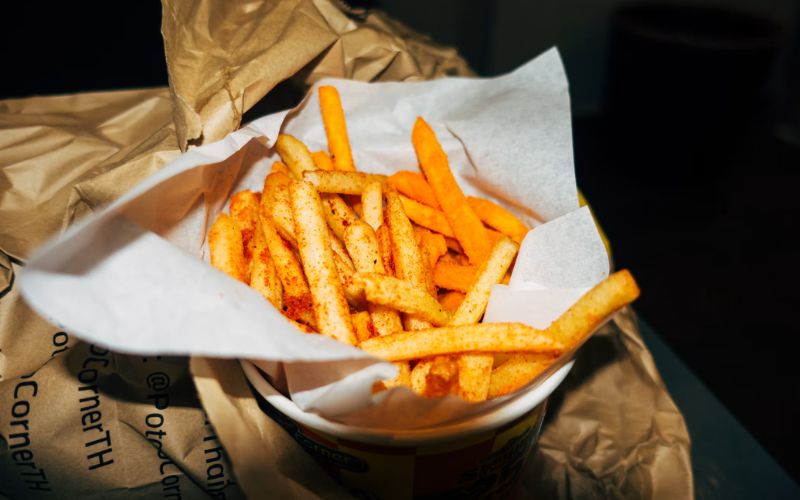
Compare 15 popular fast-food fries by cut, seasoning, texture, and signature style. (Image by Unsplash)
2. What Makes Some Fast Food Fries Stay Crispier Longer?
That perfect crunch starts disappearing almost as soon as fries leave the fryer, especially once steam becomes trapped inside a closed container. Potato variety, cut, surface treatment, cooking technique, and packaging can all influence whether fries remain crisp for the drive home or quickly turn soft.
Potato cut and thickness: Thin fries have more surface area relative to their interior, which can create plenty of crispness, while thicker cuts retain more soft potato inside. Shape also matters because ridges, curls, and waffle cuts create additional edges that can brown during frying.
Surface coatings: Some fries use starch-based coatings or batters that create a protective outer layer. This can strengthen the crust and help it remain crisp longer after cooking compared with an untreated potato surface.
Moisture management: Water evaporates from potatoes during frying, helping form the dry, crisp outer crust associated with French fries. Moisture remaining in the interior and moisture movement after cooking can influence how that crust changes as the fries cool.
Frying technique: Oil temperature, cooking duration, and whether fries are blanched or fried more than once can influence texture. Effective cooking creates a dehydrated, golden exterior without completely drying out the center.
Shape and surface area: Curly, waffle, and crinkle-cut fries expose the potato to heat differently than straight cuts. More edges and ridges can create additional browned areas, although thickness still influences how quickly the fry softens.
Packaging and travel time: Even the best fast food fries can lose their crunch when hot steam accumulates inside closed packaging. Ventilation helps moisture escape, while eating fries soon after they’re cooked generally provides the crispest experience.
3. How to Ensure You Always Get Piping Hot, Crispy Fries
Timing can matter almost as much as the restaurant you choose when you’re chasing that fresh-from-the-fryer crunch. A few simple ordering and transport habits can improve your chances of enjoying fries while they’re still hot, crisp, and at their best.
Order During Busy Meal Periods
High-volume lunch and dinner periods often mean restaurants are cooking fries more frequently to keep up with demand. Faster turnover can reduce the amount of time an order sits before serving. This isn’t a guarantee of freshly cooked fries, but busy periods can improve your odds.
Eat the Fries First
Fries are one of the least travel-friendly fast-food items because their texture changes quickly as they cool. If crispness matters, enjoy them before your burger, sandwich, or other items. Even the best fast food fries usually taste better during the first few minutes after leaving the fryer.
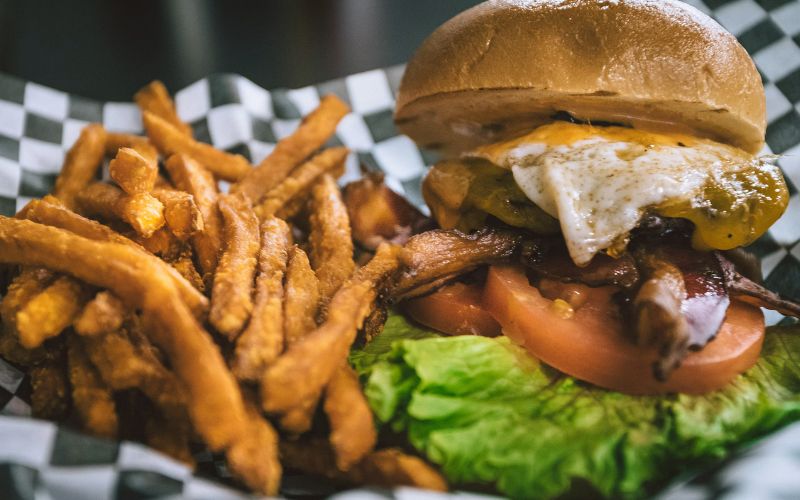
If crispness matters, enjoy fries before your burger, sandwich, or other items. (Image by Unsplash)
Avoid Trapping Too Much Steam
Hot fries continuously release moisture, and tightly sealed packaging can trap that steam around them. The moisture then settles onto the crispy exterior and softens it. If you’re transporting fries safely, allowing some ventilation in the packaging can help excess steam escape instead of collecting inside.
Keep Sauces on the Side
Pouring ketchup, cheese sauce, gravy, or another condiment directly over fries introduces extra moisture and can quickly soften their surface. Keep sauces in separate containers and dip each fry as you eat. You’ll still get the flavor combination without sacrificing as much of the original crunch.
Choose Pickup Over Long Delivery When Possible
Delivery adds travel time between the fryer and your first bite, giving fries more opportunity to cool and absorb trapped moisture. Even the best fast food fries can lose much of their appeal after spending too long in a delivery bag.
Picking up the order yourself can shorten that window. If delivery is your only option, choose a nearby restaurant and order from locations with shorter estimated delivery times.
Reheat Them the Right Way
If your fries cool down before you can eat them, dry heat can help restore some texture. An air fryer or hot oven generally works better than a microwave because it can re-crisp the exterior, while microwaving often leaves leftover fries softer rather than recreating their original crunch.
Cut, coating, frying method, temperature, and even the takeout container can affect how fries taste once they reach you. These quick answers explain several common differences you may notice between restaurant fries and why their texture changes so quickly.
What fast food restaurant has shoestring fries?
McDonald’s and Whataburger are among the major chains known for relatively thin, shoestring-style fries, although exact dimensions and preparation differ. Other restaurants may also serve similarly slender fries, so menus can vary by chain and location.
Why do fast food fries get soggy so quickly?
Fresh fries contain heat and moisture that gradually move from the soft interior toward the surface. When they’re placed in enclosed packaging, escaping steam can become trapped and reintroduce moisture to the crisp exterior, causing the fries to soften quickly.
Which fast food fries stay crispy the longest?
There isn’t one universal winner because freshness, travel time, and preparation affect every order. Some of the best fast food fries for maintaining crunch tend to have crisp coatings or textured surfaces, such as seasoned, curly, waffle, or certain crinkle-cut styles, which may hold up better than some uncoated varieties under similar conditions.
Why do leftover fries taste different?
Cooling changes both the moisture distribution and the structure of starches in cooked potatoes, while the once-crisp exterior gradually softens. These changes alter the texture you experience when eating leftover fries, which is one reason they rarely feel the same as a freshly cooked batch even when reheated.
Final Thoughts
Crisp edges, fluffy centers, bold seasoning, and the right amount of salt can turn a simple side into the highlight of a fast-food order. The best fast food fries ultimately depend on whether you prefer shoestring, curly, waffle, seasoned, or crinkle-cut styles. Try a few contenders fresh from the fryer and decide which deserves your personal crown.
Share
TAG Blog
Stories, guides, and helpful updates for staying connected.