What Is First Class Mail? A Complete USPS Guide in 2026
Not every envelope needs the same postage or delivery service. A standard personal letter has different mailing requirements from a thick document or a large envelope. If you’re wo...
Quincy D.-Nov 25, 2026
Image by Unsplash
Table of Contents
Not every envelope needs the same postage or delivery service. A standard personal letter has different mailing requirements from a thick document or a large envelope.
If you’re wondering what is First Class mail, start with the types of items it covers, how USPS prices them, and what delivery timeframe you can expect.
1. What Is First Class Mail?
USPS First-Class Mail is a domestic mailing service for sending letters, postcards, and large envelopes, also known as flats. It offers an affordable option for everyday correspondence, bills, personal documents, and lightweight mail. Delivery typically takes one to five business days, depending on the destination.
Postage depends on the mailpiece type, weight, and dimensions. First-Class Mail also includes forwarding and return services when available, which can help senders handle undeliverable items.
You may also see the word “Presorted” on a First-Class Mail envelope and wonder, “What is Presorted First Class mail?” This means the sender grouped and sorted a large volume of mail by destination to qualify for discounted bulk mailing rates.
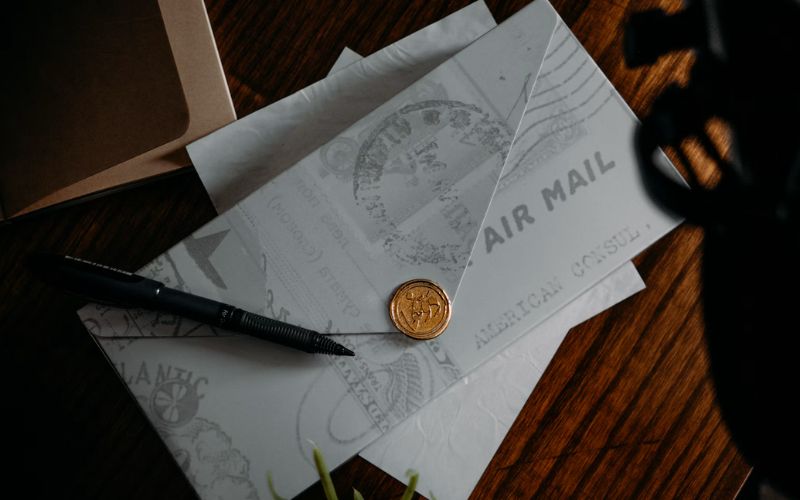
What is First Class mail? It is a domestic mailing service for sending letters, postcards, and large envelopes, also known as flats. (Image by Unsplash)
For a birthday card or a bill payment, what is USPS First Class mail likely to deliver in terms of timing? Allow 1-5 business days for domestic delivery. The exact timing depends on the origin and destination, and USPS does not guarantee an arrival date.
Standard letters and postcards can arrive in 1-3 business days on shorter routes. Allow up to 5 business days when planning around a deadline.
Large envelopes, also called flats, generally arrive within the same 1-5-business-day window. This includes documents mailed unfolded in a qualifying envelope.
Sunday delivery is unavailable for regular First-Class Mail. If your letter hasn’t arrived by Saturday, Monday is usually the next delivery day unless it’s a postal holiday.
3. How Much Does First-Class Mail Cost?
For a standard one-ounce letter, what is First Class mail going to cost you? As of November 2026, one Forever stamp covers the $0.82 domestic rate, while postcards, square invitations, and large envelopes have their own prices.
Common USPS First-Class Mail Rates
Mail type
Weight or format
Retail postage
Domestic postcard
Standard rectangular postcard
$0.65
Domestic letter
Up to 1 oz
$0.82
Domestic letter
Over 1 oz through 2 oz
$1.11
Domestic letter
Over 2 oz through 3 oz
$1.40
Domestic letter
Over 3 oz through 3.5 oz
$1.69
Square domestic letter
Up to 1 oz, within letter-size limits
$1.31
Domestic large envelope (flat)
Up to 1 oz
$1.69
Domestic large envelope (flat)
Over 12 oz through 13 oz
$5.24
International letter or postcard
Standard format, up to 1 oz
$1.75
For standard domestic letters, each weight step above the first ounce adds $0.29, up to the 3.5 oz limit. Shape matters, too. The $1.31 rate applies to a one-ounce square letter that meets letter-size limits. An oversized envelope that qualifies as a flat starts at $1.69.
Start with the contents of your envelope and the date they need to arrive. First-Class Mail works well for everyday correspondence, but a payment deadline, the need for proof of mailing, or a large print run may affect which mailing option makes sense.
Personal Letters, Greeting Cards, and Postcards
For everyday correspondence, what is First Class mail best suited for? Common examples include thank-you notes, birthday cards, postcards from a trip, and personal messages sent to friends or family. A standard rectangular envelope helps keep postage predictable.
Before mailing, pay attention to a few details:
Weigh the completed envelope if you include photos or extra inserts.
Check the postage rate for square or unusually shaped cards.
Use a properly addressed envelope to avoid unnecessary delivery delays.
Routine Business Invoices and Statements
First-Class Mail is a practical option for sending itemized invoices, payment reminders, and monthly customer statements. These documents often contain account-specific information, so choose an appropriate mailing service and make sure the envelope is properly prepared.
Keep an eye on the total weight, particularly when including advertising inserts or additional pages. Removing unnecessary materials may help the finished envelope qualify for the standard one-ounce rate.
Time-Sensitive Bills and Official Forms
A mailing deadline can mean different things depending on whether the recipient requires a document to be postmarked or physically received by a certain date. A form that must arrive by Friday needs more delivery time than one that only needs a Friday postmark.
When deciding what is First Class mail suitable for in this situation, consider the recipient’s deadline and documentation requirements before selecting a service.
Postmark deadline: Does the recipient accept proof that you mailed the document by a specific date?
Arrival deadline: Must the envelope reach the recipient by that date?
Proof of mailing: Do you need a receipt or delivery record for your files?
First-Class Mail provides an estimated delivery window, not a guaranteed arrival date. If the deadline is firm, consider a faster eligible service.
High-Volume Direct Mail Campaigns
Businesses sending at least 500 qualifying letters may be eligible for presorted First-Class Mail prices. However, lower postage comes with preparation requirements, including address formatting and mail sorting. The savings may be worthwhile for recurring campaigns, but they should be weighed against the time and cost of preparing the mailing.
When comparing options, consider:
The number of qualifying pieces in the campaign
Address preparation and sorting requirements
Potential postage savings versus preparation costs
For a one-time campaign, compare the total cost before committing to presorted mailing.
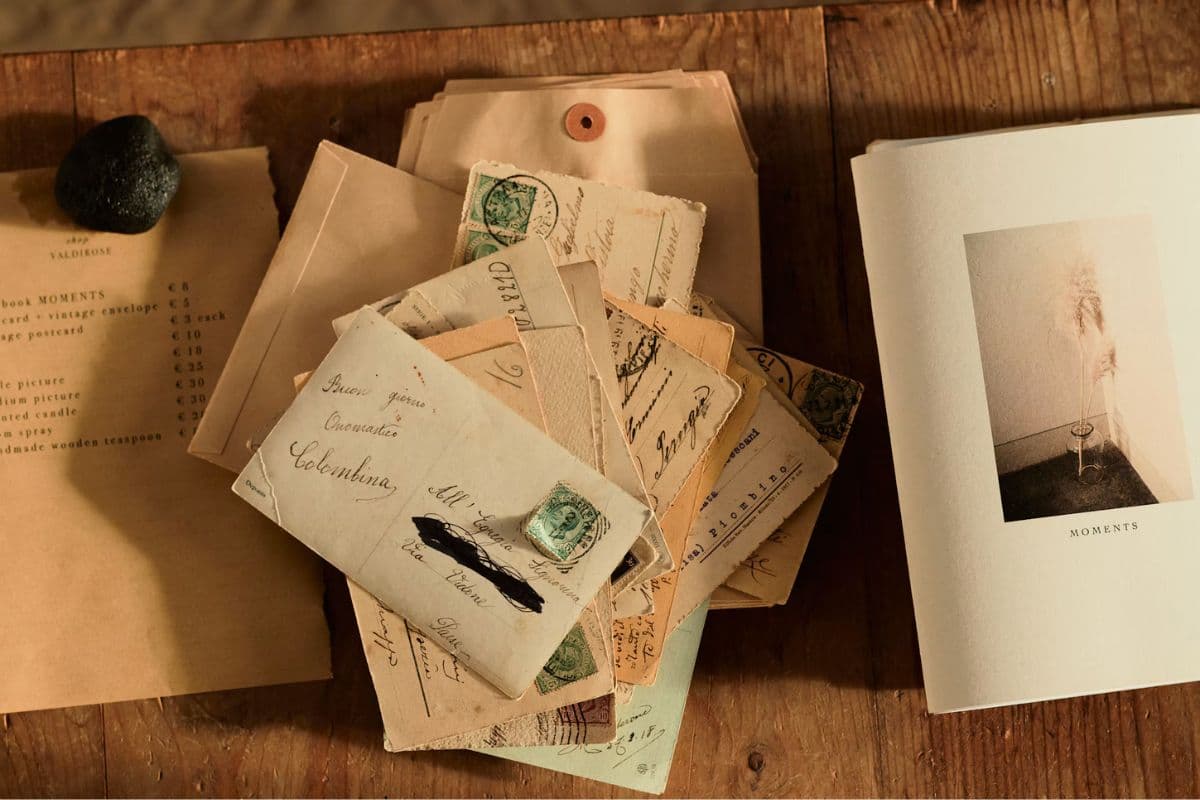
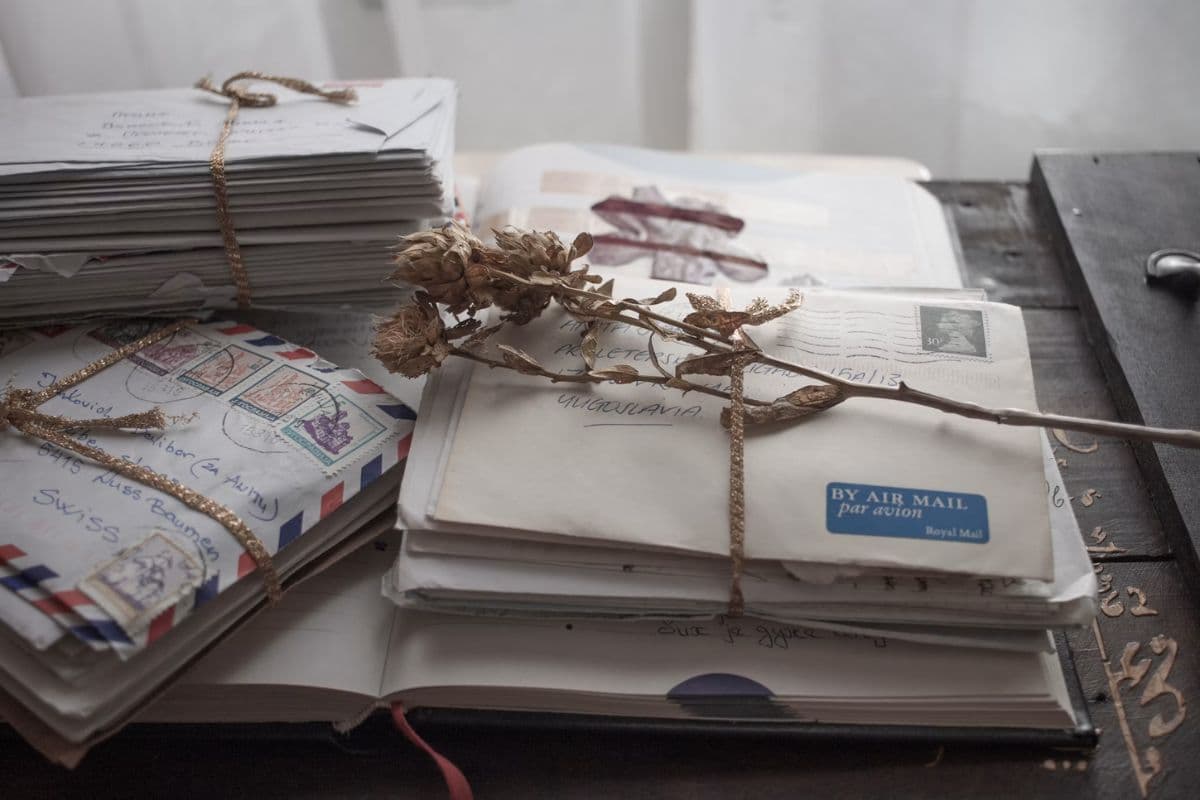
Find out when First-Class Mail is the right choice for letters and everyday correspondence. (Image by Unsplash)
5. FAQs about USPS First-Class Mail
Beyond a stamped birthday card, what is considered First Class mail under USPS rules? The distinction matters when you move from a flexible envelope to a padded mailer or need to decide whether faster delivery is worth the extra postage.
Does First-Class Mail deliver on Saturdays?
Yes. USPS generally delivers First-Class letters, postcards, and qualifying large envelopes on Saturdays as part of its regular delivery schedule. A postal holiday can affect that schedule.
Is First-Class Mail the same as regular mail?
“Regular mail” is an informal term people often use for everyday stamped letters. First-Class Mail is the specific USPS service used for those letters, postcards, and qualifying large envelopes, while other mail in your box may have traveled under a different service.
Can you send packages through First-Class Mail?
Domestic First-Class Mail covers letters, postcards, and qualifying flats. A padded envelope containing a rigid or bulky item may count as a parcel even if it weighs very little. USPS Ground Advantage is one option for mailing it.
Is First-Class Mail cheaper than Priority Mail?
Yes, First-Class Mail generally costs less for a letter or flat that meets its size and weight limits. Priority Mail may be worth the higher price if you need a shorter delivery estimate or tracking for an important document.
Final Thoughts
First-Class Mail is a practical choice for everyday letters and important documents that do not require express delivery. Before choosing this service, consider what is First Class mail, how postage is calculated, and how long delivery may take. Check the latest USPS rates, mailing guidelines, and allow extra time for bills, forms, or other documents with firm deadlines.
Share
TAG Blog
Stories, guides, and helpful updates for staying connected.