Can College Students Get Food Stamps? Eligibility, Exemptions, and How to Apply
Rent and tuition are easy to spot in a semester budget. Groceries are harder to predict, especially when a shift gets cut or a campus dining hall closes for break. So can college s...
Quincy D.-Nov 25, 2026
Image by Unsplash
Table of Contents
Rent and tuition are easy to spot in a semester budget. Groceries are harder to predict, especially when a shift gets cut or a campus dining hall closes for break. So can college students get food stamps while taking classes?
Before you apply for SNAP, it helps to know why the application asks about your course load, paid work, household, and the meals your campus plan provides.
1. Can College Students Get Food Stamps?
Yes. U.S. college students can receive benefits through the Supplemental Nutrition Assistance Program (SNAP) if they meet household income limits, citizenship or eligible immigration status requirements, and other SNAP rules.
The answer to “Can I get food stamps as a college student?” also depends on how many hours you attend school. If you’re enrolled at least half-time, you generally need to qualify for a SNAP student exemption. Students enrolled less than half-time are not subject to this additional rule.
2. Which Student Exemptions Qualify College Applicants for SNAP?
Can college students get food stamps without working 20 hours per week?
Yes. Students enrolled at least half-time may qualify through other SNAP student exemptions based on their family responsibilities, participation in certain programs, age, or personal circumstances.
Students enrolled at least half-time may qualify through other SNAP student exemptions (Image by Unsplash)
Work-Related Exemptions
Students may qualify through paid employment, approved work-study, or certain employment and training programs. These exemptions recognize students who are already working or preparing to enter the workforce.
Work at least 20 hours per week in paid employment. Some states average your hours over a longer period, which matters if your shifts change from week to week.
Have approval for state or federal work-study for the current term and expect to work during that term. You may qualify before your first shift.
Enroll in college through an approved employment and training program. If you’re taking career or technical courses, ask your program coordinator whether your placement qualifies.
Family-Related Exemptions
Family responsibilities can also exempt students from the additional SNAP eligibility rule. The specific exemption depends on the child’s age, your caregiving role, and whether you attend college full-time.
Attend college full-time as a single parent caring for a dependent child under age 12.
Care for a dependent member of your household who is under age 6. This exemption can apply even if another parent lives with you.
Care for a dependent child ages 6 through 11 when adequate child care is unavailable for you to attend class and either work 20 hours per week or participate in work-study.
Program-Related Exemptions
Participation in certain public assistance or job training programs may also satisfy the SNAP student exemption.
Take part in on-the-job training. This exemption applies while your employer is training you.
The temporary exemption for students with a $0 Expected Family Contribution has expired. A FAFSA result alone no longer qualifies you for that exemption.
Other Exemptions
Some students qualify based on their age or a physical or mental condition that limits their ability to work.
Be younger than 18 or at least 50 years old.
Have a physical or mental condition that prevents you from working. Disability benefit records can help document your circumstances, but you can qualify without receiving disability payments.
Current or former foster care status alone does not meet the federal student exemption. Students with a foster care background may still qualify through age, work-study, caregiving, or another exemption listed above.
3. How Can You Get Food Stamps as a College Student?
Your class schedule helps establish whether SNAP’s student rules apply, while your living arrangements help determine whose income counts. Before you apply, check how your school defines half-time enrollment and identify who usually buys and prepares meals with you.
Step 1: Check Your Student Exemption and SNAP Eligibility
For example, can a college student get food stamps while working fewer than 20 hours a week? Yes, potentially.
If you attend at least half-time, check whether work-study, caregiving, or another exemption applies. Your household must also meet the general SNAP requirements.
Step 2: Gather Documents That Support Your Application
Have proof of identity, current income, and enrollment ready. Match your documents to the exemption you claim. Pay stubs showing hours can support a paid-work exemption, while a work-study approval letter can show that your award covers the current term.
Step 3: Apply Through Your State SNAP Agency
Apply through the SNAP agency in the state where you currently live, even if you attend college away from home. On the application, report your income, household members, and enrollment status. Save your confirmation number or a copy of the submitted form.
Step 4: Complete Your SNAP Interview and Eligibility Review
During the interview, be ready to explain your class schedule, work hours, and any campus meal plan. If your hours vary, describe a typical week. Before the interview ends, confirm which documents the agency still needs and when they are due.
Step 5: Receive Your EBT Card and Manage Your Benefits
After approval, follow your state’s instructions to activate your Electronic Benefits Transfer (EBT) card and set a PIN. Check your benefit amount and deposit date, then use the card for eligible groceries. Keep your renewal notice and follow your state’s reporting rules.
Understand SNAP eligibility rules and prepare the information needed to apply as a college student. (Image by Unsplash)
4. Can SNAP Recipients Also Qualify for Other Assistance Programs?
Your SNAP approval letter may help you lower another monthly expense: your phone bill.
If you or someone in your household receives SNAP, that participation can establish eligibility for Lifeline, a federal program that helps households pay for phone or internet service.
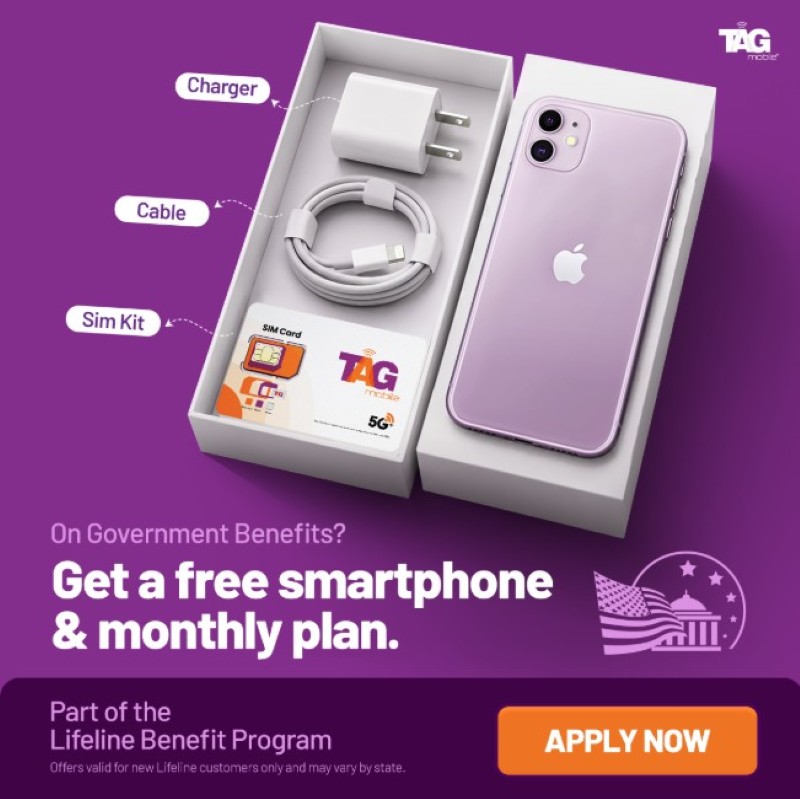
TAG Mobile is a Lifeline provider that offers free monthly phone service to qualifying households. You can check plans by ZIP code before applying, which makes it easier to compare the data allowance with what you use each month.
If you receive SNAP benefits, you may qualify for TAG Mobile’s Lifeline service and potentially receive a free phone through an available promotion. Follow these steps to complete your application:
Check Your Lifeline Eligibility: Confirm that you qualify through SNAP or another participating assistance program, or meet the household income requirement of 135% or less of the Federal Poverty Guidelines.
Check Service Availability: Visit TAG Mobile’s website and enter your ZIP code to see which Lifeline plans and device offers are available in your area.
Complete the Application: Select an available plan, choose a device deal if available, and provide your personal information, including your full name, date of birth, and residential address.
Choose SNAP as Your Qualifying Program: Indicate that you participate in SNAP in the eligibility section and provide the requested program details.
Submit Your Application: Review your personal details, eligibility information, and submit the completed application to TAG Mobile.
Wait for Shipping and Delivery: Once your application and order are approved, allow approximately 7-10 business days for shipping and delivery, subject to device availability and order processing.
Apply for Lifeline through TAG Mobile to claim the best free phone and plan!
Note: Eligibility varies by state and program. Offers depend on availability and qualifications. TAG Mobile operates under the federal Lifeline Program as an Eligible Telecommunications Carrier (ETC). Service is non-transferable and limited to one service per household.
5. FAQs about SNAP for College Students
Moving away from school raises a practical question: can college students get food stamps while living near campus? Your enrollment and financial aid matter when you apply, and knowing where your EBT card works helps you plan grocery shopping during school breaks.
Can college students get food stamps in Illinois?
Yes. Illinois students enrolled at least half-time generally need to meet a student exemption, such as working 20 paid hours per week, as well as the usual household eligibility requirements. Students enrolled less than half-time can apply under the regular SNAP rules.
Do student loans count as income for SNAP?
Federal Direct Loans do not count as income for SNAP. For private student loans, the portion designated for tuition, books, or other eligible education expenses may be excluded, while funds for rent or groceries may count. Keep your loan statement so the SNAP office can see what the funds cover.
Can I use my SNAP benefits outside my college town?
Yes. You can use your EBT card to buy eligible groceries at SNAP-authorized retailers in all 50 states. That includes shopping near home during a school break, even if you cross state lines to get there.
Final Thoughts
College life can make it difficult to balance tuition, daily expenses, and grocery costs, but SNAP may provide valuable support for students who meet the eligibility rules. If you’re wondering can college students get food stamps, your enrollment status, income, work hours, and qualifying exemptions all matter.
Check your state’s SNAP requirements and prepare the necessary documents before applying. You can also explore TAG Mobile’s Lifeline offers to see if you qualify for a free or discounted phone and plan, helping reduce your monthly expenses.
Share
TAG Blog
Stories, guides, and helpful updates for staying connected.