What Is the SAVE Plan? What Happened and What Borrowers Should Do Next
The SAVE Plan was created to reduce federal student loan payments by adjusting monthly bills based on borrowers’ income and family size. However, legal disputes and policy changes...
Quincy D.-Nov 25, 2026
Image by Unsplash
Table of Contents
The SAVE Plan was created to reduce federal student loan payments by adjusting monthly bills based on borrowers’ income and family size. However, legal disputes and policy changes have disrupted the program, leaving many borrowers unsure about their next steps.
This guide explains what is the SAVE Plan, what happened to the program, and which repayment alternatives may still be available to help borrowers manage their student loan debt.
1. What Is the SAVE Plan?
SAVE stands for Saving on a Valuable Education, an income-driven repayment (IDR) plan introduced by the U.S. Department of Education in August 2023 for borrowers with eligible federal student loans.
It was designed to make student debt more manageable by calculating monthly payments based on income and family size rather than relying solely on the amount borrowed.
For those researching what is the SAVE Plan for student loans in 2026, it is important to know that a court order officially ended the program onMarch 10, 2026.
What is the SAVE Plan? It stands for Saving on a Valuable Education, a federal student loan repayment program (Image by Unsplash)
2. What Happens If You Were Enrolled in the SAVE Plan?
Leaving SAVE can change how much you owe each month, even if your income stays the same. So, what is happening with the SAVE plan?
Loan servicers began sending notices on July 1, 2026, giving borrowers 90 days from the date of their notice to choose a new plan. Because notices went out in stages, check your latest servicer notice for your deadline.
If youchoose a plan by your deadline, you can apply for an income-driven repayment plan you qualify for. Compare estimated monthly payments before applying, especially if your payment under SAVE was $0.
If you miss your deadline, your servicer will move you to the Standard Repayment Plan or the Tiered Standard Plan, depending on when your loans were disbursed. Both use your loan balance to calculate payments, so your next bill could be higher than it was under SAVE.
Once monthly billing resumes, check the amount and due date on your first statement. If your new plan sets your payment at $0, nothing is due that month. If you owe more than you can afford, contact your servicer before the due date. Keep making scheduled payments unless your servicer confirms an approved deferment or forbearance.
3. Which Student Loan Repayment Options Replace the SAVE Plan?
The end of the SAVE Plan has left borrowers needing to reassess their repayment strategies and identify which federal options remain available.
Income-Based Repayment (IBR), Pay As You Earn (PAYE), and Income-Contingent Repayment (ICR) offer different ways to calculate monthly payments, so understanding their eligibility rules and repayment terms is essential before choosing an alternative.
Income-Based Repayment (IBR)
IBR calculates monthly payments based on your discretionary income and limits them to what you would owe under the 10-year Standard Repayment Plan.
Your payment generally equals:
10% of discretionary income if you meet the new borrower requirements on or after July 1, 2014.
15% of discretionary income if you borrowed before that date.
Any remaining eligible balance may qualify for forgiveness after 20 years of qualifying payments for new borrowers or 25 years for other eligible borrowers.
IBR can be an option if you want income-based payments without the upcoming expiration date associated with PAYE and ICR. However, your loan type and disbursement history must meet the program requirements.
Pay As You Earn (PAYE)
PAYE generally sets monthly payments at 10% of discretionary income, with a cap at the amount you would pay under the 10-year Standard Repayment Plan. Eligible borrowers may receive forgiveness after 20 years of qualifying payments.
To qualify, you generally must:
Have been a new borrower on or after October 1, 2007.
Have received a Direct Loan disbursement on or after October 1, 2011.
Have a calculated payment lower than the 10-year Standard Repayment amount.
Important: PAYE is scheduled to end no later than July 1, 2028. Consider this deadline when deciding whether to enroll or switch plans.
Income-Contingent Repayment (ICR)
ICR calculates your monthly payment using the lower of two amounts:
20% of your discretionary income.
The amount you would pay under a fixed 12-year repayment schedule, adjusted according to your income.
The plan offers forgiveness of any remaining eligible balance after 25 years of qualifying payments. Most eligible Direct Loans qualify, while FFEL loans generally need to be consolidated into a Direct Consolidation Loan first.
Like PAYE, ICR will end no later than July 1, 2028. Borrowers currently using this option should plan to transition to another eligible repayment plan before the deadline.
Note: The new Repayment Assistance Plan (RAP) also became available on July 1, 2026. It calculates payments based on adjusted gross income and dependents, with monthly payments ranging from 1% to 10% of income. Check your loan eligibility to see whether RAP is another option for your situation.
Income-Based Repayment (IBR), Pay As You Earn (PAYE), and Income-Contingent Repayment (ICR) offer different ways to calculate monthly payments (Image by Unsplash)
4. How to Manage Your Budget When Student Loan Payments Change?
Compare your first bill after SAVE with your previous monthly payment to see how much extra you need to set aside. If the increase leaves little room after rent and groceries, Lifeline may help you cut a recurring expense by lowering your phone bill.
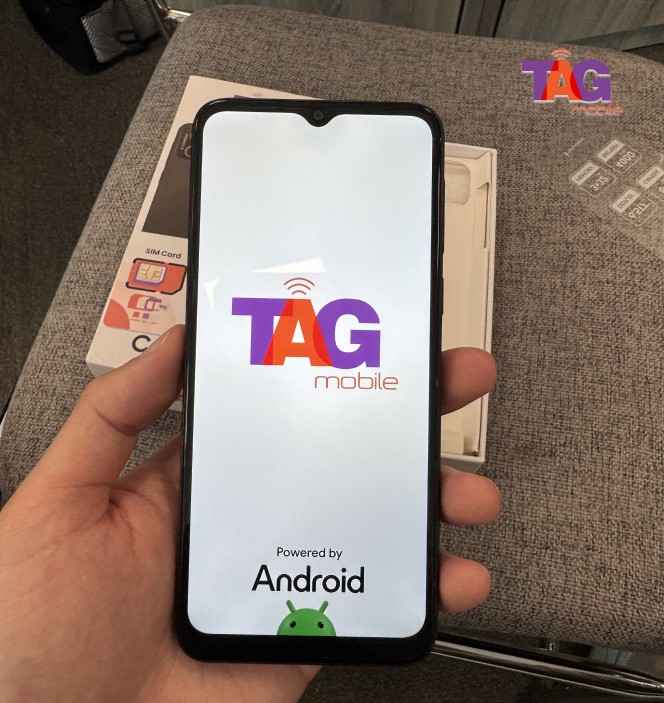
TAG Mobile is a wireless provider that offers eligible households free monthly phone service through the Lifeline program. This provider’s Lifeline plan includes domestic calls, texts, and mobile data. The exact data allowance and network coverage vary by location.
Unlimited domestic calls and texts
Up to 16 GB of data per month
Free international calling to more than 200 countries and territories
5G or 4G LTE service where available
As a student, you may qualify for Lifeline in either of the following ways:
Qualify through household income if your household earns at or below 135% of the Federal Poverty Guidelines. Use your household size and state to find the income limit that applies to you.
Qualify through program participation if you or someone in your household receives SNAP, Medicaid, Supplemental Security Income, or Federal Public Housing Assistance. If you already receive SNAP, a current benefits letter can help verify your eligibility.
Join TAG Mobile and get the valuable perks you deserve!
Note: Eligibility varies by state and program. Offers depend on availability and qualifications. TAG Mobile operates under the federal Lifeline Program as an Eligible Telecommunications Carrier (ETC). Service is non-transferable and limited to one service per household.
5. FAQs about SAVE Plan
Leaving SAVE raises two questions for borrowers who have already spent years in repayment. Which payments still count toward forgiveness, and which plans can keep future monthly bills affordable?
Can I still apply for the SAVE Plan in 2026?
SAVE is closed to new applications. Borrowers who were already enrolled should check their loan servicer’s latest notice for the deadline to select a different plan.
Will my student loans be forgiven now that SAVE has ended?
The end of SAVE does not automatically cancel your remaining balance. Payments that qualify for income-driven forgiveness can still count toward that goal. Months spent in the court-related SAVE forbearance generally do not count.
Can I switch from SAVE to another income-driven repayment plan?
Yes. Your loan type and disbursement dates determine which plans you qualify for. Use the federal Loan Simulator to compare estimated monthly payments, then apply for your preferred eligible plan through your Federal Student Aid account.
Final Thoughts
The question what is the SAVE Plan matters if your current repayment options have changed. SAVE was a federal student loan plan that calculated monthly payments based on income and family size.
As you adjust your repayment budget, don’t overlook everyday savings. Check out TAG Mobile’s Lifeline offers to see if you qualify for lower monthly phone costs.
Share
TAG Blog
Stories, guides, and helpful updates for staying connected.