How to Send a Letter in the Mail: Correctly and Avoid Delivery Delays

A letter may seem ready to send, but small mailing mistakes can lead to delays or even a failed delivery. An incorrect address, missing apartment number, or missed collection time...

Quincy D.-Nov 25, 2026
How to Send a Letter in the Mail: Correctly and Avoid Delivery Delays
Image by Unsplash

Table of Contents

A letter may seem ready to send, but small mailing mistakes can lead to delays or even a failed delivery. An incorrect address, missing apartment number, or missed collection time can all affect when your envelope arrives.

Whether you’re mailing an important document or a personal note, how to send a letter in the mail involves more than simply adding a stamp and dropping it in a mailbox.

1. What Do You Need to Mail a Letter?

Keep the recipient’s address beside you as you prepare the envelope, especially if you’re writing to an apartment, a PO Box, or a particular office. A few basic supplies are enough for most domestic letters.

What You NeedWhat to Check
Letter and enclosuresSign and date the letter if needed. Include any documents or reply forms the recipient expects.
EnvelopeChoose an envelope that fits the folded pages and closes without bulging.
Recipient’s mailing addressConfirm the recipient’s name, street address or PO Box, apartment or suite number if applicable, city, state, and ZIP code.
Return addressUse an address where you can receive the letter if USPS cannot deliver it.
Pen or printed labelUse dark ink on a light background so every address line is easy to read.
PostageOne Forever stamp covers a standard, machine-sortable U.S. letter weighing up to 1 ounce. Heavier, square, or rigid envelopes may require extra postage.

>>> Also read: How Much Does It Cost to Mail a Letter in 2026?

2. How to Send a Letter in the Mail?

Start by preparing the contents of your letter, then work through the envelope, postage, and delivery method. Completing each step in order helps prevent common mistakes, such as missing an enclosure, writing an incomplete address, or applying insufficient postage.

Step 1: Prepare and Fold Your Letter

For a standard business envelope, fold a letter-size sheet into thirds so it fits neatly without excessive creasing. If you’re including supporting documents, arrange everything in the order the recipient should read it.

Before putting anything into the envelope, read the letter again and check for missing information, such as a signature or an additional page. 

Step 2: Seal the Envelope

Once all the contents are in place, check them against your enclosure list before closing the flap. The sealing method depends on the envelope type:

  • Gummed envelope: Lightly moisten the adhesive strip before pressing the flap down.
  • Self-sealing envelope: Remove the protective strip and fold the flap over the back.
  • Final check: Press along the entire seal and make sure the corners are secure.

Avoid leaving bulky contents near the flap, as they may prevent the envelope from closing properly.

Step 3: Write the Mailing Addresses

Address placement matters because USPS uses this information to sort and route your letter. Turn the envelope over with the flap facing down, then write the recipient’s details on the front. The main address should include:

  • Recipient’s full name
  • Street address and apartment or suite number, or PO Box
  • City, two-letter state abbreviation, and ZIP code

Place your return address in the upper-left corner so the letter can be sent back if delivery is unsuccessful.

Step 4: Place the Stamp Correctly

The stamp belongs in the upper-right corner of the addressed side. Before attaching it, weigh the completed envelope with all its contents, especially if you have included photos, cardstock, or a reply envelope.

A single Forever stamp may not cover the full cost if your letter exceeds the standard weight limit or has unusual dimensions. Square, rigid, or uneven envelopes may also require additional postage, so check the USPS physical standards for letters or ask a postal clerk to check the rate when you’re unsure.

Step 5: Drop Off Your Letter

The best way to handle the final mailing step depends on how quickly the letter needs to arrive and whether you need proof that it was sent. If you’re deciding how to send out a letter in the mail, consider these options:

  • Blue USPS collection box: Suitable for ordinary letters. Check the posted pickup schedule to avoid leaving your envelope after the last collection.
  • Post office counter: A practical choice when you need help checking postage or want a dated mailing receipt.
  • Certified Mail: Consider this service when you need a mailing receipt and a record of delivery or attempted delivery.

Once your letter is deposited or accepted by USPS, keep any receipt or tracking information until you’re confident the mailing process is complete.
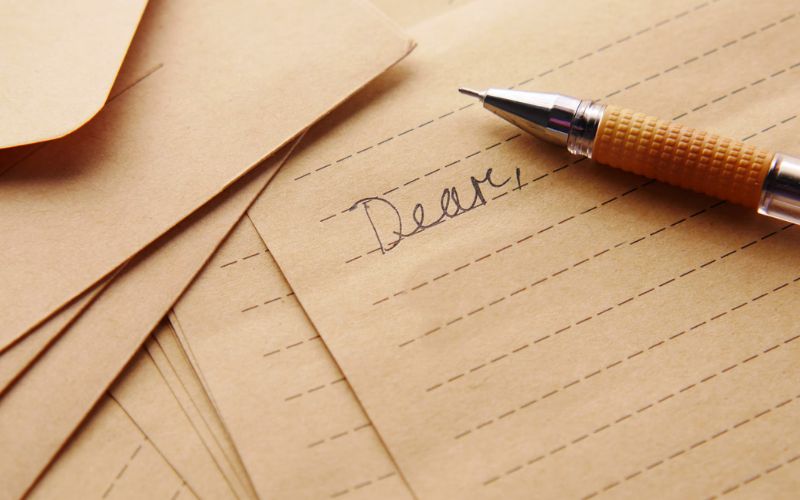
how-to-send-a-letter-in-the-mail-full-guide
How to send a letter in the mail? Follow simple steps to prepare, address, stamp, and mail your letter correctly. (Image by Unsplash)

3. Common Letter-Mailing Mistakes to Avoid

Small details are easy to overlook once an envelope is sealed and stamped. Before dropping your letter in the mail, review the recipient’s address, check the weight of the complete envelope, and confirm the collection schedule. A quick final check can help prevent delivery delays and unexpected postage costs.

Leaving Out an Apartment or Suite Number

A letter may have the correct street name and ZIP code but still fail to reach the intended recipient if the apartment or suite number is missing. This is particularly important when mailing documents to office buildings, apartment complexes, or businesses with multiple departments.

Before sealing the envelope, make sure you have included:

  • The recipient’s full name
  • The correct street address
  • The apartment, unit, or suite number
  • The city, state abbreviation, and ZIP code

Use the mailing address provided by the recipient rather than relying on an older address saved in your contacts.

Guessing Postage by Counting Pages

One common mistake when learning how to send a letter in the mail is estimating postage based only on the number of sheets. The actual cost depends on the weight and dimensions of the completed envelope. Four sheets of thin paper may weigh less than a single heavy card with its liner.

For an accurate estimate, include every item before weighing the envelope:

  • All letter pages and printed attachments
  • Photos, cards, or decorative inserts
  • Any reply envelope included in the package

This helps you avoid adding too little postage or paying for more stamps than necessary.

Assuming Every Greeting Card Takes One Stamp

A greeting card does not automatically qualify for the standard letter rate just because it feels lightweight. Its shape, thickness, and flexibility can also affect postage. For example, a square invitation or rigid card may require additional postage even when its weight is below 1 ounce.

If you’re preparing wedding or graduation announcements in bulk, take one fully assembled envelope to the post office first. A postal clerk can check whether its dimensions and shape meet standard letter requirements before you purchase stamps for the entire mailing.

Missing the Last Collection Before a Deadline

The time printed on a blue USPS collection box matters, particularly when your letter needs to arrive by a specific date. An envelope deposited after the final pickup will generally remain in the box until the next scheduled collection.

To avoid missing an important mailing deadline:

  • Check the posted collection time before depositing your letter.
  • Allow extra time when mailing around weekends or postal holidays.
  • Visit a post office counter if you need a dated mailing record.
  • Consider Certificate of Mailing or Certified Mail when you need documentation that the letter was mailed.
how-to-send-a-letter-in-the-mail-1
Small details are easy to overlook once an envelope is sealed and stamped. (Image by Unsplash)

>>> Read more: How to Mail an Envelope: Addressing, Stamps, and USPS Mailing Tips

4. FAQs about Mailing a Letter

Deciding how to send a letter in the mail gets easier once you know when it needs to arrive and whether you need proof of delivery. Those details help you choose between an ordinary stamped envelope and a service such as Certified Mail.

How long to send a letter in the mail?

USPS First-Class Mail generally takes one to five business days for domestic delivery. This is an estimate, so allow extra time for a deadline, especially if you drop off the letter after the day’s final collection.

How much is it to send a letter in the mail?

As of November 2026, one Forever stamp costs $0.82 and covers a standard, machine-sortable domestic letter weighing up to 1 ounce. Each additional ounce or fraction costs $0.29 while the envelope remains within letter-size and weight limits.

Can I mail a letter without going to the post office?

Yes. Place a properly addressed and stamped standard letter in a blue USPS collection box or in your home mailbox with the flag raised. For a cluster mailbox, use the outgoing mail slot.

What happens if I put the wrong postage on a letter?

If postage is insufficient, USPS may return the letter or ask the recipient to pay the difference. If you use more postage than required, the letter can still be delivered, but the extra amount does not buy faster service.

How to send a certified letter in the mail?

Take the addressed envelope to a USPS retail counter, request Certified Mail, and pay the postage and service fee. Keep the dated receipt and tracking number. 

If you want a copy of the delivery record showing who signed, request a return receipt as well. Follow the USPS Certified Mail instructions to understand the available options.

Final Thoughts

Knowing how to send a letter in the mail can help you avoid postage mistakes and unnecessary delivery delays. Check the recipient’s address, use the correct postage, and seal the envelope securely before mailing it.

For important documents or time-sensitive letters, consider a service with tracking or delivery confirmation, and keep your receipt until the letter reaches its destination.

Share
TAG Blog

Stories, guides, and helpful updates for staying connected.

Tags

Free PhoneLifeline ProgramSNAP - Food StampsMedicaidWICSSIFree & Discounted TabletProvidersLifeline Program FactsGovernment SupportLifestyleMobile Tips

Related posts

Lifestyle

What Is First Class Mail? A Complete USPS Guide in 2026

Not every envelope needs the same postage or delivery service. A standard personal letter has different mailing requirements from a thick document or...

Quincy D.-Nov 25, 2026