What Is a Food That Starts With D? 30 Options to Spice Up Your Diet
D may seem easy at first, but the variety behind this letter goes much further than the obvious choices. Food that starts with D reaches across different cuisines and culinary trad...
Quincy D.-Oct 31, 2026
Image by Pexels
Table of Contents
D may seem easy at first, but the variety behind this letter goes much further than the obvious choices. Food that starts with D reaches across different cuisines and culinary traditions, bringing together familiar names and discoveries that may be completely new to you.
Whether you are completing an alphabet food challenge or looking for inspiration beyond your usual meals, the list ahead offers plenty of interesting flavors to explore.
1. What Is a Food That Starts With D?
From everyday staples to dishes with roots in cuisines around the world, the letter D opens the door to a surprisingly diverse range of foods. If you’ve ever wondered what is a food that starts with the letter D, you’ll find plenty of options spanning fruits, vegetables, breads, desserts, cheeses, and savory dishes.
Dates
Dates are naturally sweet fruits with a soft, chewy texture. Their natural sweetness makes them easy to enjoy on their own or use as a substitute for refined sugar in some recipes.
Try adding them to:
Smoothies and baked goods
Salads and oatmeal
Nut-filled snacks
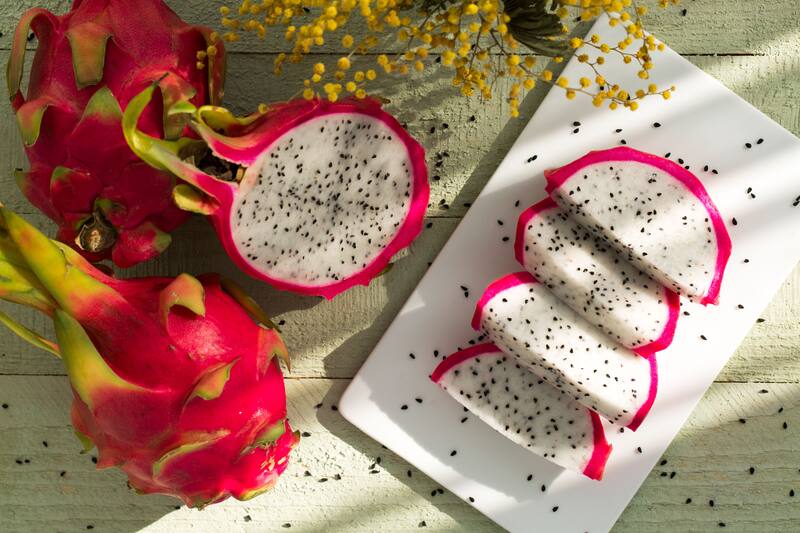
Dragon Fruit
With vibrant pink or yellow skin and mildly sweet, seed-speckled flesh, dragon fruit is easy to recognize. It’s commonly eaten fresh, but its mild flavor also makes it a good addition to smoothie bowls, drinks, and fruit salads.
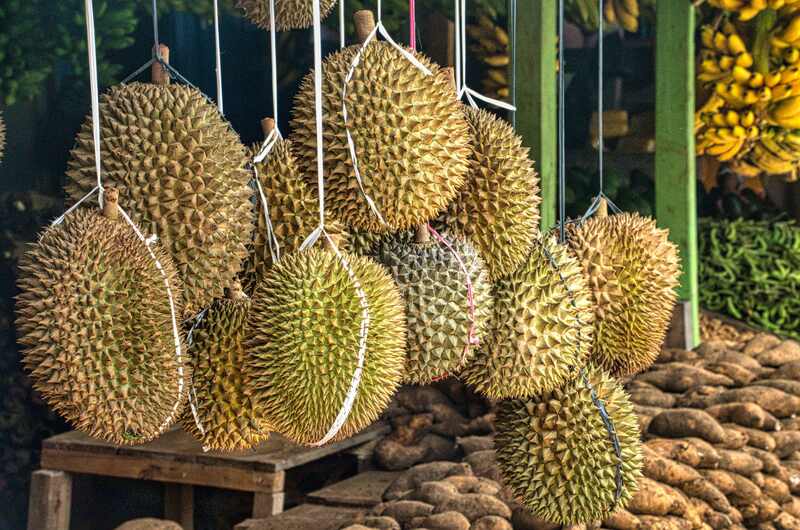
Durian
Durian is a Southeast Asian tropical fruit famous for its powerful aroma and creamy flesh. Its rich, distinctive flavor inspires both devoted fans and strong reactions.
Durian – a Southeast Asian tropical fruit (Image by Pexels)
Damson
Damsons are small, dark purple fruits related to plums. Their noticeably tart flavor makes them particularly suitable for cooking rather than simply eating fresh.
Common uses include jams, preserves, pies, sauces, and other desserts.
Dewberry
Dewberries resemble blackberries and offer a sweet-tart flavor when ripe. Like blackberries, they can be enjoyed fresh or used in homemade desserts and preserves.
Popular preparations include:
Jams and syrups
Cobblers and pies
Other fruit-based desserts
Daikon
Daikon is a large white radish with a crisp texture and relatively mild peppery flavor. For those wondering what food that starts with D can be enjoyed both raw and cooked, daikon is a versatile pick.
You can:
Grate it into salads or slaws.
Pickle it for a crunchy side dish.
Simmer it in soups and stews.
Stir-fry it with vegetables or meat.
Dandelion Greens
Dandelion greens are leafy vegetables with a pleasantly bitter edge. They work in both raw and cooked dishes, although cooking can make their flavor milder.
Sautéing or blanching them is a simple way to reduce some of their natural bitterness before adding them to soups or other recipes.
Dill
Dill is an aromatic herb known for its fresh, slightly grassy flavor. It pairs especially well with pickles, potatoes, fish, yogurt sauces, soups, and salads.
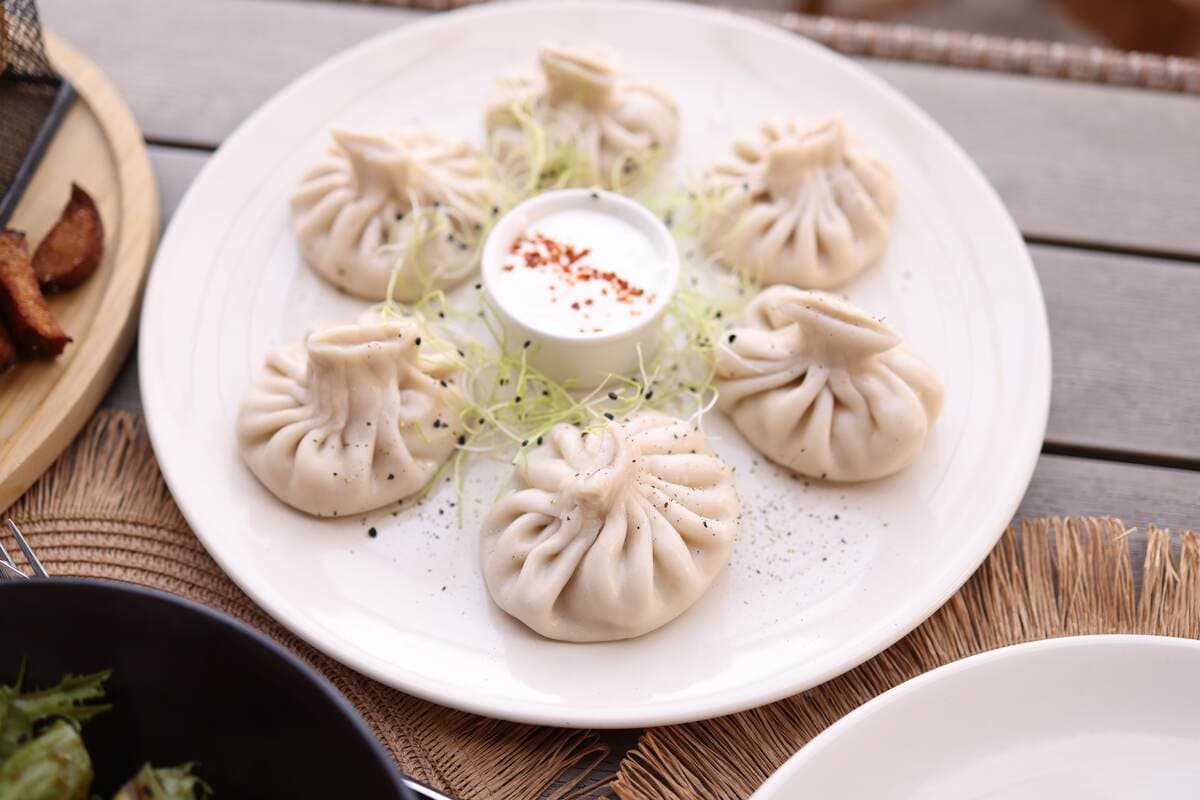
Dumplings
Dumplings appear across many cuisines in countless forms. They can feature dough wrapped around savory or sweet fillings, or dough shaped and cooked on its own.
Depending on the recipe and culinary tradition, dumplings may be:
Baked
Steamed
Boiled
Pan-fried
Dosa
Dosa is a thin South Indian crepe traditionally prepared from fermented rice and lentil batter. It’s often served crisp with chutney, sambar, or savory fillings.
Dal
Dal refers both to dried split pulses and dishes prepared from them across South Asia. Lentils or other pulses are typically simmered with spices into a comforting meal.
Dashi
Dashi is a foundational Japanese stock known for its savory umami character. Traditional versions commonly combine:
Kombu, or dried kelp
Katsuobushi, or dried, fermented bonito flakes
This stock forms the base of many Japanese soups and sauces.
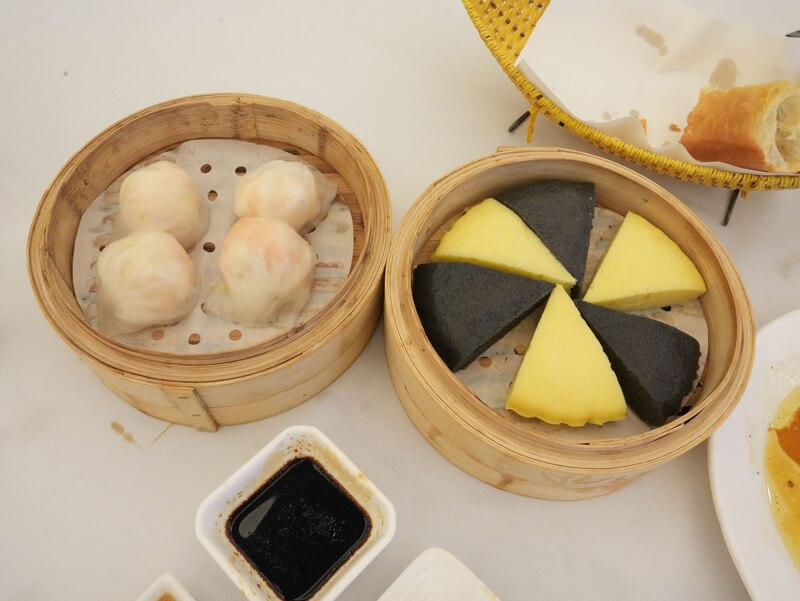
Dim Sum
Dim sum covers a wide range of small Chinese dishes traditionally enjoyed with tea, particularly in Cantonese cuisine. Rather than referring to one specific dish, the term includes many bite-sized specialties, such as steamed dumplings, buns, rice noodle rolls, and other savory or sweet selections.
Donburi
Donburi is a Japanese rice-bowl dish topped with ingredients such as meat, seafood, eggs, or vegetables.
Some popular variations feature:
Beef or pork
Chicken and egg
Tempura seafood
Cooked vegetables
With numerous combinations to suit different tastes, this food that starts with D can easily become a filling everyday meal.
Dolma
Dolma refers to stuffed dishes found across several cuisines, often involving grape leaves or vegetables filled with rice, herbs, meat, or other flavorful ingredients.
The fillings and seasonings vary by region, giving this dish many different forms.
Döner Kebab
Döner kebab features seasoned meat cooked on a vertical rotisserie and sliced thinly for serving. The meat is commonly served in flatbread, wraps, or sandwiches, but it can also be enjoyed as a plated meal.
Deviled Eggs
Deviled eggs are made by filling cooked egg whites with a creamy, seasoned yolk mixture. Common additions include mustard, mayonnaise, paprika, and fresh herbs.
They’re often served as appetizers, party snacks, or side dishes.
Duck
Duck is a rich, flavorful poultry used in cuisines around the world. Its meat can be prepared in several ways, depending on the cut and desired texture:
Roasted for crisp skin
Braised for tender meat
Grilled or pan-seared
Confited through slow cooking in fat
Dover Sole
Dover sole is a flatfish valued for its delicate flavor and fine texture. Because its taste is relatively mild, simple preparations with butter, lemon, and herbs allow the fish to remain the focus.
Drumsticks
Chicken drumsticks are affordable, flavorful cuts that work well baked, fried, grilled, or braised. Their versatility makes them suitable for everything from simple weeknight dinners to barbecue meals.
Marinades, spice rubs, and sauces make them easy to customize.
Danish
Danish pastries feature flaky, layered dough and may contain fruit, custard, cream cheese, or other sweet fillings.
They’re a familiar bakery and breakfast favorite, often served with coffee or tea.
Doughnuts
From glazed rings to filled varieties, doughnuts come in countless styles. They can be fried or baked, with toppings and fillings such as:
Sugar or cinnamon
Chocolate or icing
Sprinkles or nuts
Fruit, cream, or jam
Dark Chocolate
Dark chocolate contains cocoa solids, cocoa butter, and varying amounts of sugar. Its flavor ranges from mildly sweet to deeply bitter and intense.
The cocoa percentage can influence both its taste and nutritional composition, making it a richer dessert option to include in a roundup of food that starts with D.
Dulce de Leche
Dulce de leche is a thick, caramel-like confection traditionally made by slowly heating sweetened milk. It’s used in cakes, cookies, pastries, ice cream, and other desserts.
Dijon Mustard
Dijon mustard brings a sharp, tangy flavor to sandwiches, vinaigrettes, marinades, and sauces. Its smooth consistency also makes it easy to incorporate into dressings and glazes.
Double Gloucester
Double Gloucester is an English cheese traditionally made from cow’s milk. It has a firm, smooth texture and a rich, buttery flavor that develops further with aging.
It can be served on a cheese board, paired with crackers, or used in sandwiches and cooked dishes.
Ditalini
Ditalini is a tiny tube-shaped Italian pasta frequently used in soups and bean dishes. Its small size also works nicely in pasta salads and simple side dishes.
Dirty Rice
Dirty rice is a Louisiana Creole and Cajun dish made with rice, seasonings, and traditionally finely chopped meat or giblets. These ingredients give the dish its characteristic color and savory flavor.
Dutch Baby
Dutch baby is a large oven-baked pancake with puffed edges and a tender center. Unlike traditional stovetop pancakes, it’s cooked in the oven, where the batter rises around the edges.
It can be served with fruit and sugar or prepared with savory toppings.
Dukkah
Dukkah is an Egyptian blend typically combining three main ingredient groups:
Nuts, such as hazelnuts or almonds
Seeds, such as sesame seeds
Spices, such as cumin and coriander
This aromatic mixture adds crunch and flavor to bread, vegetables, salads, and other dishes.
Together, these examples show how varied a food that starts with D can be, stretching from everyday ingredients and bakery treats to regional dishes you may be discovering for the first time.
Dim sum is a popular food that starts with D (Image by Pexels)
2. Which D Foods Are Easy to Find in the U.S.?
Some D-foods are sitting in almost every supermarket, while others may take a trip to an international market or specialty shop. Where you find them often depends on whether they’re everyday American staples, restaurant favorites, or ingredients tied more closely to a particular cuisine.
Common Supermarket Finds: Dates, dill, Dijon mustard, doughnuts, dark chocolate, chicken drumsticks, Danish pastries, and sometimes dragon fruit are fairly easy to spot in U.S. grocery stores.
Restaurant-Friendly Finds: Dumplings, duck, dim sum, dosa, dal, döner kebab, and dirty rice are more likely to turn up on restaurant menus, especially in areas with diverse dining options.
More Likely at Specialty or International Markets: Daikon, durian, dukkah, dashi ingredients, and some varieties of dolma are easier to track down at Asian, Middle Eastern, Mediterranean, or other international markets.
Harder-to-Find Curiosities: Damsons, fresh dewberries, specialty regional cheeses such as Double Gloucester, and less common imported produce may require farmers markets, gourmet stores, seasonal suppliers, or online specialty retailers.
3. Which Foods Starting With D Offer Great Health Benefits?
Not every D-food is a doughnut or dessert. Several choices bring fiber, protein, vitamins, minerals, or healthy fats to the table, making this part of the alphabet surprisingly easy to work into a balanced diet.
Dates
Dates provide fiber, potassium, and naturally occurring sugars, making them a convenient source of energy. Their fiber supports digestive health, while potassium helps regulate muscle function and blood pressure.
Their natural sweetness also works well as an alternative ingredient in snacks and desserts, although portion size matters because dates are relatively high in natural sugars.
Daikon
Daikon is a crisp, low-calorie root vegetable that provides vitamin C and some dietary fiber. Vitamin C supports immune function and collagen production, while fiber contributes to digestive health.
Eat it raw for crunch or add it to soups, pickles, and cooked dishes.
Dandelion Greens
Dandelion greens provide several vitamins and minerals, including vitamins A, C, and K. These nutrients support immune function, vision, bone health, and normal blood clotting.
Their fiber content also contributes to digestive health. Try them raw in salads or cooked to soften their stronger, pleasantly bitter flavor.
Dragon Fruit
Dragon fruit provides fiber and vitamin C along with naturally occurring plant compounds. Fiber supports digestion and helps maintain regular bowel movements, while vitamin C contributes to immune health and protects cells from oxidative damage.
With its mild flavor and vibrant appearance, this food that starts with D is easy to enjoy in fruit bowls, yogurt, or smoothies.
Dragon fruit provides fiber and vitamin C along with naturally occurring plant compounds. (Image by Pexels)
Dal
Dal made from lentils or other pulses can provide several important nutrients:
Plant-based protein: Supports muscle maintenance and tissue repair.
Dietary fiber: Helps support digestion and promotes fullness.
Folate: Supports normal cell growth and function.
Iron and potassium: Contribute to oxygen transport and normal muscle function.
Pair it with vegetables and whole grains for a filling, balanced meal.
Dark Chocolate
Dark chocolate contains minerals and cocoa-derived compounds such as flavanols, although the amount can vary considerably among products and with processing. Chocolate is also calorie-dense and may contain substantial amounts of fat and added sugar, so its overall nutritional profile depends on the specific product and portion.
Dulse
Dulse is an edible red seaweed that provides various minerals and brings a naturally salty, savory flavor to foods. Depending on the product, it can contribute:
Iodine, which supports normal thyroid function.
Iron, which helps the body produce hemoglobin.
Potassium, which supports normal muscle and nerve function.
It is commonly available dried and can be eaten as a snack or used in soups, salads, seasonings, and other dishes. However, iodine and sodium levels can vary, so check product labels and avoid consuming large amounts regularly.
Duck
Duck provides high-quality protein along with nutrients such as iron and vitamin B12. These nutrients support muscle maintenance, oxygen transport, and healthy nerve function.
The nutritional profile depends partly on how you prepare it:
Skinless duck meat: Generally provides protein with less fat.
Duck with skin: Contains substantially more fat and calories.
Roasted or grilled duck: Can be a lighter option than preparations involving deep-frying or rich sauces.
Portion size and cooking method can make a meaningful nutritional difference.
There are plenty of healthy choices on the D-list, but preparation can change the picture. Even a nutritious food that starts with D can become much heavier once it’s fried, sweetened, or served with rich sauces, so simple cooking often lets you get the best from it.
4. FAQs about Foods That Start With D
The letter D covers everything from leafy greens and fruit to fried treats and rich meat dishes, so there’s no single nutrition rule that applies to the whole group. What matters more is the individual food, serving size, and how you prepare it.
Is food that starts with D high in calories?
Not necessarily. Daikon, dragon fruit, dill, and dandelion greens can be relatively light choices, while doughnuts, Danish pastries, dulce de leche, and some rich duck preparations can be much more calorie-dense.
What is the healthiest way to cook foods starting with D?
It depends on the ingredient, but steaming, baking, grilling, roasting, or lightly sautéing can often limit the need for large amounts of added fat. For vegetables such as daikon and dandelion greens, simple preparation also lets their natural flavors stand out.
Are dried foods starting with D healthy?
Some dried foods can contribute useful nutrients, including dates, dried beans, and dried lentils, but their nutritional profiles vary considerably. For packaged products, check the Nutrition Facts label for serving size, added sugars, and sodium, particularly when buying sweetened dried fruit, seasoned snacks, or other processed options.
Final Thoughts
The letter D brings plenty of variety to the table, with flavors and culinary traditions that can make your next meal a little more interesting. Food that starts with D offers inspiration for trying unfamiliar ingredients, experimenting with new recipes, or adding another category to an alphabet food challenge. Choose something that catches your attention and give it a taste.
Share
TAG Blog
Stories, guides, and helpful updates for staying connected.