Food That Starts With M: 22 Easy & Flavorful Picks for Foodies
M may seem like an ordinary letter, but its place in the food world is surprisingly diverse. Food that starts with M stretches across cultures, cuisines, and culinary traditions, w...
Quincy D.-Oct 31, 2026
Image by Pexels
Table of Contents
M may seem like an ordinary letter, but its place in the food world is surprisingly diverse. Food that starts with M stretches across cultures, cuisines, and culinary traditions, with names ranging from everyday staples to specialties you may be encountering for the first time.
Whether you are working through an alphabet challenge or simply curious about new flavors, the list ahead offers plenty of possibilities worth discovering.
1. What Food that Starts with M?
Several M-foods offer useful nutrients without requiring complicated recipes or unusual preparation. If you’re asking what is a food that starts with the letter M with strong nutritional potential, these whole and minimally processed choices stand out.
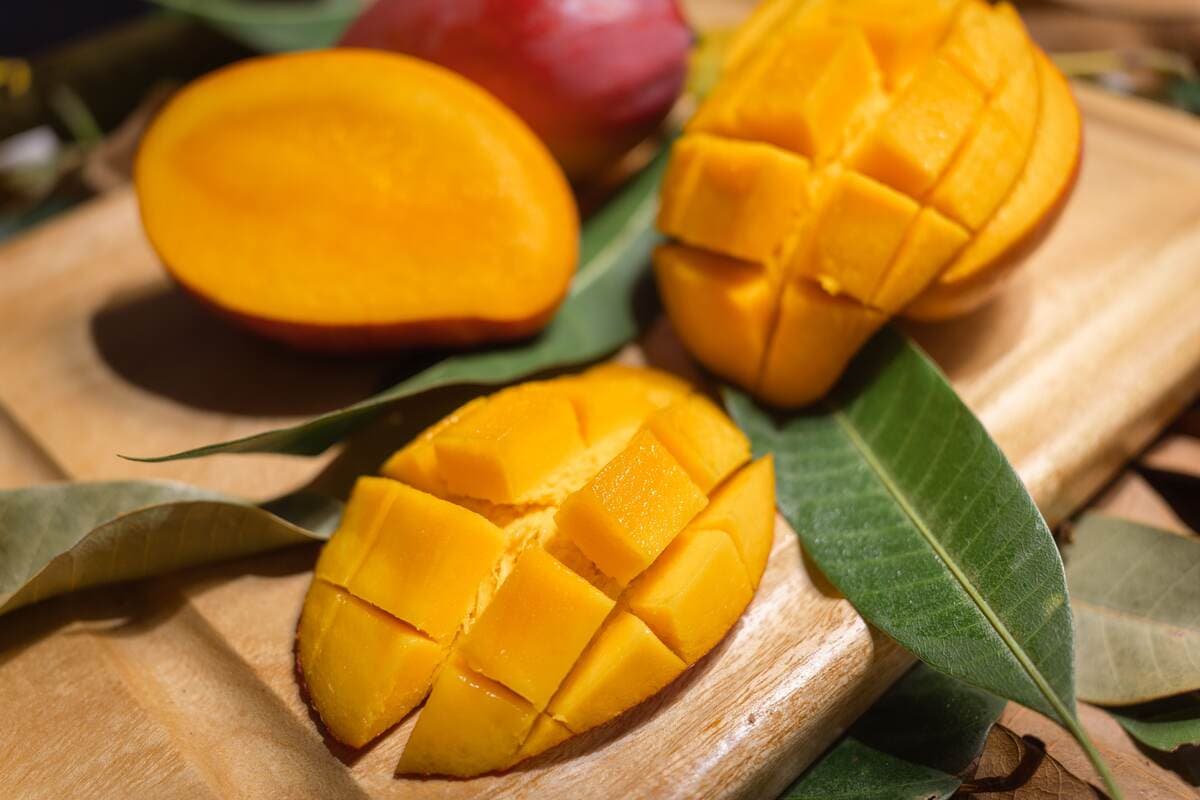
Mango
Mango provides several important nutrients, including:
Vitamin C
Carotenoids
Folate
Dietary fiber
Its natural sweetness makes it an easy addition to snacks, smoothies, yogurt, salsa, and fruit salads.
Mushrooms
Mushrooms are relatively low in calories while contributing B vitamins and minerals such as selenium. Their nutrient content varies by variety and growing conditions. Some mushrooms exposed to UV light also provide vitamin D.
Mackerel
Mackerel provides substantial protein and omega-3 fatty acids, along with vitamin B12 and selenium. Certain varieties also provide vitamin D, making mackerel a nutrient-dense seafood choice. However, mercury levels vary by species, so Atlantic mackerel is generally a better choice than king mackerel.
Mussels
Mussels deliver several nutrients in addition to protein, including:
Vitamin B12
Iron
Selenium
Other essential minerals
Steaming them with herbs and aromatics keeps preparation simple without requiring heavy sauces.
Mung Beans
Mung beans provide plant protein, dietary fiber, folate, and several minerals. For anyone seeking a nutritious food that starts with M, they work well in soups, curries, salads, and other dishes across numerous Asian cuisines.
Millet
Millet is a naturally gluten-free whole grain that contributes carbohydrates, fiber, protein, and several micronutrients. You can cook it into:
Porridge
Grain bowls
Pilafs
Savory side dishes
Choose products labeled gluten-free if you need to avoid gluten, as cross-contact can occur during processing.
Mustard Greens
Mustard greens are leafy vegetables containing vitamins K, C, and carotenoids. Their peppery flavor works particularly well when sautéed, braised, steamed, or incorporated into soups.
2. Which M-Foods Are Healthiest to Add to Your Diet?
No specialty market is needed to fill your cart with M-foods. An everyday food that starts with M can appear in nearly every supermarket aisle, from fresh produce and dairy to pasta, condiments, and breakfast staples.
Mango
Mangoes are a good source of vitamin C, carotenoids, folate, and dietary fiber. Vitamin C supports immune function and helps the body absorb iron from plant foods.
Fresh mango makes a nutritious snack, while frozen chunks offer a convenient option without added sugar. When buying dried mango, check the label for added sugars.
Mushrooms
Mushrooms are low in calories while providing several useful nutrients:
B vitamins, which support energy metabolism.
Selenium, a mineral that helps protect cells from oxidative damage.
Vitamin D in some varieties exposed to UV light.
Button, cremini, and portobello mushrooms are easy everyday choices, while shiitake and oyster mushrooms add variety to meals.
Macaroni
Macaroni provides carbohydrates that supply energy, but its nutritional value depends on the type of pasta you choose.
Whole-grain macaroni: Offers more dietary fiber than conventional refined pasta, supporting digestion and helping you feel full longer.
Regular macaroni: Provides energy but generally contains less fiber.
For a more balanced meal, combine macaroni with vegetables, lean protein, and a moderate amount of sauce.
Milk
Milk provides several nutrients important for bone health and muscle function, including:
Protein: Supports muscle growth and tissue repair.
Calcium: Helps build and maintain strong bones and teeth.
Vitamin D: Helps the body absorb calcium.
Vitamin B12 and potassium: Support nerve function and other essential processes.
Low-fat or fat-free dairy milk can provide these nutrients with less saturated fat. Alongside dairy milk, many stores offer plant-based alternatives such as soy, oat, and almond beverages.
Fortified soy beverages generally provide a nutrient profile closer to dairy milk than most other plant-based options, so compare protein, calcium, vitamin D, and added sugar on the label.
Milk provides several nutrients important for bone health and muscle function (Image by Pexels)
Mozzarella
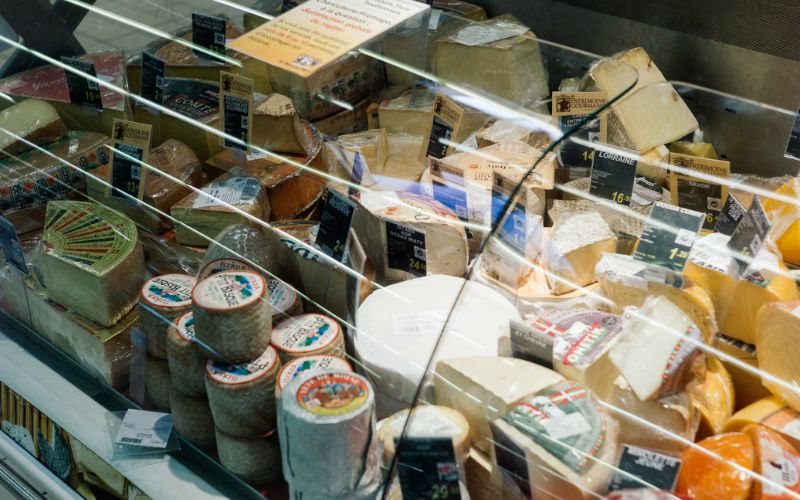
Mozzarella provides protein and calcium, which support muscle function and bone health. Fresh mozzarella works well in salads and sandwiches, while part-skim varieties can help reduce saturated fat intake.
However, portion size still matters because mozzarella can contribute sodium and saturated fat to your diet.
Mustard
Mustard is a flavorful, generally low-calorie condiment that can add taste to meals without the calorie load of many creamy sauces. Yellow, Dijon, spicy brown, and whole-grain varieties offer different flavor profiles.
One thing to watch is sodium content, which can vary between brands and varieties. Check the nutrition label if you’re watching your salt intake.
Mayonnaise
Traditional mayonnaise is calorie-dense because it contains a substantial amount of oil. If you want a lighter option, consider:
Light mayonnaise, which generally contains fewer calories and less fat per serving.
A smaller serving of regular mayonnaise.
Mixing mayonnaise with plain yogurt to create a lighter dressing or dip.
Muffins
Muffins can provide some nutrients, but their nutritional value varies considerably depending on the ingredients and portion size.
Bran and whole-grain muffins can offer more fiber, while fruit-based versions may contain some vitamins and minerals. However, many bakery and packaged muffins are high in added sugar, refined flour, and calories.
Choose smaller portions and varieties made with whole grains and less added sugar when possible. This makes muffins a more balanced option for anyone looking for what is a breakfast food that starts with M.
3. Which Foods Starting With M Are Easiest to Find in Grocery Stores?
You don’t need to hunt through specialty shops to find plenty of M-foods. From the produce section to the dairy case and pantry aisles, several familiar choices are likely already part of your regular grocery run.
Mango
Fresh mangoes are commonly available in produce sections, while frozen chunks, dried mango, and canned varieties offer convenient alternatives when fresh fruit isn’t in season.
Mushrooms
Button, cremini, and portobello mushrooms are supermarket staples. Larger stores may also carry shiitake, oyster, or enoki mushrooms for shoppers interested in trying different varieties.
Macaroni
Macaroni is an inexpensive pantry staple sold in traditional, whole-wheat, and gluten-free varieties. It works equally well in creamy dishes, pasta salads, soups, and casseroles.
Milk
Milk is one food that starts with M you’ll have little trouble finding. Grocery stores typically offer dairy milk alongside alternatives such as oat, soy, and almond beverages.
Mozzarella
Mozzarella appears in several convenient forms, including shredded cheese, blocks, slices, and fresh balls. It’s an easy addition to pizza, pasta, sandwiches, and salads.
Mustard
Yellow mustard, Dijon, spicy brown, and whole-grain varieties are widely stocked in condiment aisles. Each offers a slightly different combination of tanginess, heat, and texture.
Mayonnaise
Mayonnaise is readily available in traditional, light, flavored, and plant-based varieties. Keep a jar on hand for sandwiches, salads, dips, dressings, and homemade sauces.
Muffins
Most supermarket bakeries carry muffins in familiar flavors such as blueberry, chocolate chip, and banana nut. Packaged, frozen, and baking-mix options are also easy to find.
Find familiar M-foods throughout grocery stores, from fresh produce and dairy to everyday pantry staples. (Image by Unsplash)
4. Quick Questions about Food That Starts With M
From mangoes and mushrooms to miso and milk, M gives you plenty of foods that already feel at home in everyday meals. A few simple tips on nutrition, storage, and flavor can help you get even more out of them.
Are foods starting with M good for daily meals?
Many can fit naturally into everyday meals, including mushrooms, mangoes, millet, mung beans, milk, and mustard greens. Nutritional value varies widely, however, so whether a food that starts with M is a good everyday choice depends more on its nutrients, preparation, and role in your overall diet than its name.
How should you store fresh produce starting with M?
Storage depends on the specific product. Mushrooms generally keep best refrigerated in breathable packaging, while whole mangoes can ripen at room temperature and then be refrigerated once ripe; fresh mustard greens should also be kept chilled.
Why do some M foods taste naturally savory?
Foods such as mushrooms and miso contain naturally occurring compounds associated with umami, the savory taste. Glutamate is one of the best-known contributors, while other amino acids and nucleotides can also influence umami perception. These compounds help explain why mushrooms and fermented seasonings such as miso can add noticeable savory depth to dishes.
Final Thoughts
The letter M offers plenty of opportunities to move beyond your usual meals and discover flavors from different culinary traditions. Food that starts with M can inspire new recipes, broaden your food vocabulary, or simply make an alphabet challenge more enjoyable. Choose something you have never tasted before and add it to your next grocery list or meal plan.
Share
TAG Blog
Stories, guides, and helpful updates for staying connected.