Can You Freeze Mushrooms? The Best Ways to Preserve Their Texture
Fresh mushrooms can bring depth to a meal, but an unfinished carton often leaves you planning around a short shelf life. Freezer storage raises another question: what happens to th...
Quincy D.-Oct 07, 2026
Image by Unsplash
Table of Contents
Fresh mushrooms can bring depth to a meal, but an unfinished carton often leaves you planning around a short shelf life. Freezer storage raises another question: what happens to their texture afterward?
If you are wondering can you freeze mushrooms, this guide looks at preparation choices, packaging, and ways to use them later, helping you make the most of what you already have on hand.
1. Can You Freeze Mushrooms?
Yes, you can freeze mushrooms, but cooking them first usually gives better results. If you are asking, can you freeze fresh mushrooms? Raw freezing is possible, although their high water content can leave them noticeably softer and wetter once thawed.
Sautéing or blanching before freezing helps prepare mushrooms for later cooked dishes.
Let them cool, drain excess moisture, and pack them in airtight freezer containers. Frozen mushrooms work best in soups, sauces, and stir-fries, where a softer texture matters less.
2. Why Mushrooms Change Texture in the Freezer
Freezing preserves mushrooms for later meals, but it does not keep their texture exactly as it was when fresh. Understanding what happens to moisture and tissue helps explain why preparation and your final recipe matter.
Mushrooms Contain a Lot of Water
Much of a mushroom’s weight comes from water, which freezes inside its tissues.
Once the mushrooms thaw, some of that moisture escapes, leaving them softer and sometimes watery. Drain excess liquid when necessary, and account for it when adding frozen mushrooms to dishes that need a dry surface for browning.
Freezing Can Damage Their Cell Structure
Ice crystals can disrupt mushroom cells, reducing their ability to hold moisture after thawing. This explains why frozen mushrooms may lose their firm bite even when properly packaged.
If you are asking, can you freeze mushrooms? Expect some texture change rather than assuming they will resemble freshly sliced mushrooms afterward.
Cooking Before Freezing Can Help
Sautéing removes some moisture before storage, while steam blanching slows enzyme activity that can affect quality.
These treatments serve different purposes, but both are recommended preparation methods for freezing mushrooms. Cool and drain them appropriately before packing; neither method eliminates every texture change or makes spoiled mushrooms suitable for storage.
The Final Recipe Matters
Softened mushrooms fit naturally into soups, stews, sauces, and casseroles, where a crisp bite is less important.
They are less suitable when a dish depends on fresh firmness, such as a raw salad. Choose your freezing method with the eventual meal in mind instead of expecting one preparation to suit everything.
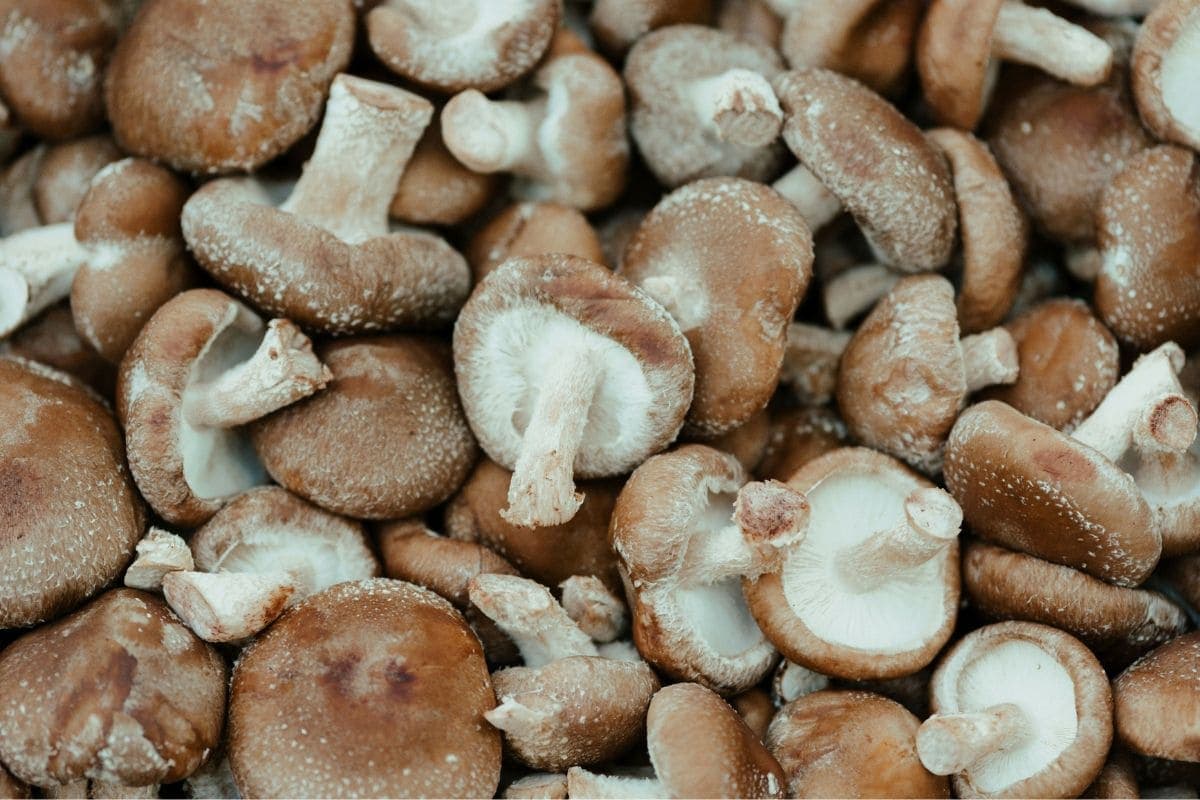
Can you freeze mushrooms? Mushrooms can become softer after freezing because ice crystals affect their moisture and cellular structure. (Image by Unsplash)
3. Raw vs. Cooked: Which Way Should You Freeze Mushrooms?
Raw freezing requires less preparation, while cooking first generally produces more useful results for later meals. Compare these options according to the texture you want and how you plan to cook the mushrooms.
Method
Preparation
Expected texture
Suitable uses
Raw
Clean, trim, dry thoroughly, and portion before freezing.
Often softer and wetter after thawing.
Soups, stocks, stews, and blended sauces.
Sautéed
Cook in small batches, allow released moisture to evaporate, then cool promptly.
Already softened by cooking, with less excess moisture.
Pasta sauces, casseroles, omelets, and cooked fillings.
Steam-blanched
Steam for the recommended time, then cool and drain before packaging.
Some softening, with better preservation of quality than untreated storage.
Soups, mixed vegetables, and other cooked dishes.
For a tested preparation method, the National Center for Home Food Preservation recommends steaming or heating mushrooms in a frying pan before freezing. But the final method should be the one you find suitable to your needs.
4. How Long Do Mushrooms Last in the Freezer?
Properly prepared mushrooms can retain useful quality for approximately 6-12 months when packed well and kept at 0°F (-18°C).
Do note that you can treat this as a quality guideline rather than an expiration date.
Cooked or sautéed: Aim to use within approximately 9-12 months, with earlier use preferable if flavor or texture declines.
Blanched (steamed): Aim to use within approximately 9-12 months when cooled, drained, and sealed in freezer-safe packaging.
University of Minnesota Extension recommends using frozen fruits and vegetables within 8-12 months for best quality. It does not establish separate mushroom-specific deadlines for these methods.
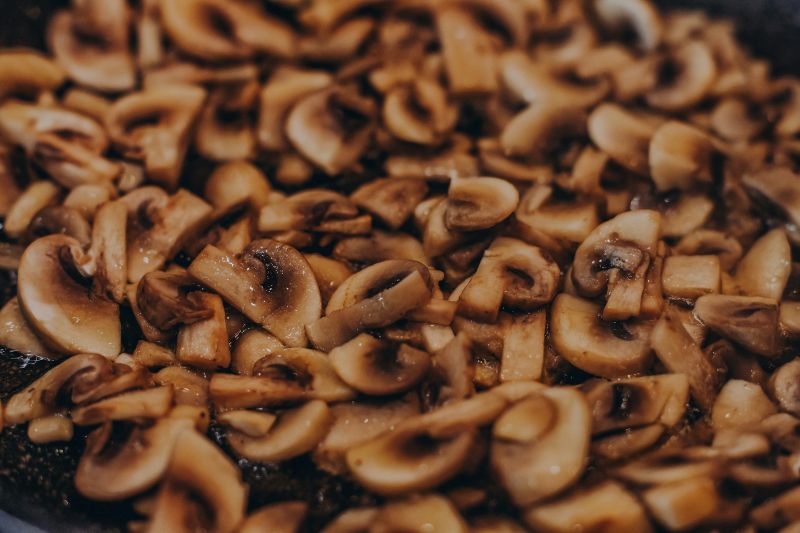
Cooking mushrooms before putting them in the freezer is usually considered the better method. (Image by Unsplash)
5. Best Practices to Thaw and Use Frozen Mushrooms
Handling mushrooms after freezing can affect how much liquid ends up in your meal. Match the thawing approach to your recipe, keeping food chilled whenever you are not cooking it immediately.
Don’t Thaw Before Cooking
For soups, stews, and many sauces, add frozen mushrooms directly to the cooking pot.
In a skillet, allow released water to evaporate before expecting browning. If you are wondering, can you freeze mushrooms for convenient meal preparation? Portioning them beforehand lets you use only what the recipe needs without thawing everything.
Thaw in the Fridge if Needed for Raw Applications
If a recipe needs thawed mushrooms, defrost them in a covered container in the refrigerator and drain excess liquid.
However, frozen mushrooms are generally a poor substitute for fresh mushrooms in raw salads. Cooking remains the better use, and morels must never be served raw or undercooked simply because they were frozen.
Best Uses for Frozen Mushrooms
Choose dishes that welcome softened mushrooms, such as gravy, risotto, pasta sauce, soups, and casseroles.
Sautéed portions also make convenient additions to cooked egg dishes or fillings. Adjust added liquid as needed, particularly with mushrooms frozen raw, so released moisture does not dilute the sauce or leave the finished meal watery.
Leftover sautéed mushrooms and a batch of stuffed caps need different preparation before freezing. These questions help you choose what to save, how to handle it, and when storage history matters more than appearance.
Can You Freeze Cooked Mushrooms?
Cooked mushrooms freeze well when cooled promptly and packed in airtight freezer-safe containers. Divide them into portions you can use in one meal, then label each package with the date. Sauces, soups, and cooked fillings are convenient ways to use them later.
Can You Freeze Stuffed Mushrooms?
Stuffed mushrooms can be frozen, although the filling influences their texture after reheating. Arrange them separately on a tray until firm, then transfer them to a freezer-safe container. Follow the recipe’s cooking instructions, particularly when the filling contains meat or seafood.
Can You Freeze Morel Mushrooms?
Properly identified edible morels can be frozen after suitable preparation, but freezing does not replace thorough cooking. Raw or undercooked morels can cause illness. Never freeze unidentified wild mushrooms with the assumption that later cooking will make them safe.
What Can I Do With Too Many Fresh Mushrooms?
Turn surplus mushrooms into pasta sauce, soup, gravy, or sautéed portions for future meals. Freeze them while they are still fresh, or follow a suitable drying method for longer storage. Mushrooms showing spoilage should be discarded rather than preserved.
What Should Not Be Eaten With Mushrooms?
Common edible mushrooms generally pair well with ordinary foods, so there is no universal combination to avoid. Personal allergies and intolerances still matter, and certain wild species can cause reactions when consumed with alcohol. Choose reliably identified mushrooms and follow guidance specific to the variety.
Are 6-Month-Old Mushrooms Safe to Eat?
Six months in the freezer is very different from six months in the refrigerator. Mushrooms frozen while fresh and kept continuously at 0°F (-18°C) can remain safe, although their quality may decline. Refrigerated mushrooms that old should be discarded, and freezing cannot make spoiled food safe.
7. Final Thoughts
Extra mushrooms do not have to go to waste when you cannot use the whole carton in time. If you are asking can you freeze mushrooms, a little preparation before freezing can help preserve their quality and make them easier to use later. Portion and label them clearly, then add thawed mushrooms to soups, sauces, casseroles, or other cooked dishes where a softer texture works well.
TAG Mobile brings practical food-storage tips and everyday know-how together for easier access. Follow for more!
Share
TAG Blog
Stories, guides, and helpful updates for staying connected.