How to Defrost Chicken Safely Based on How Much Time You Have
Dinner plans can get complicated when the chicken is still frozen and the clock is already ticking. The best method for how to defrost chicken safely depends on whether you have se...
Quincy D.-Oct 12, 2026
Image by Unsplash
Table of Contents
Dinner plans can get complicated when the chicken is still frozen and the clock is already ticking. The best method for how to defrost chicken safely depends on whether you have several hours, overnight, or only a short window before cooking.
Each approved approach comes with different timing and handling requirements, so choosing carefully can help you prepare the chicken efficiently without compromising food safety.
1. Method 1: How to Quickly and Safely Defrost Chicken in the Refrigerator
Refrigerator thawing is a reliable option when you can plan ahead, although it is not a quick method for last-minute meals. So, how to defrost chicken safely from refrigerator?
Keeping the chicken contained at 40°F (4°C) or below lets it thaw gradually while reducing the risk of contaminating nearby food.
Step 1: Keep the Chicken Contained
Leave the chicken in intact packaging, or place it in a sealed, leakproof bag or covered container if the wrapping is damaged.
Containing the raw juices helps prevent them from spreading as the meat thaws.
Step 2: Place It on a Plate or Tray
Set the packaged chicken on a rimmed plate or tray large enough to catch leaking juices. Choose one that holds the entire package securely, and wash it thoroughly after use before placing other food on it.
Step 3: Put It on a Lower Refrigerator Shelf
Place the tray on a lower refrigerator shelf, beneath ready-to-eat foods, to limit contamination from drips. Keep the refrigerator at 40°F (4°C) or below, and leave enough space around the package for cold air to circulate.
Step 4: Allow Enough Time to Thaw
Allow approximately 24 hours for smaller packages of chicken, while larger packages or whole birds may need two days or longer. Thawing time depends on the chicken’s size and thickness. Once fully thawed in the refrigerator, cook the chicken within another one to two days.
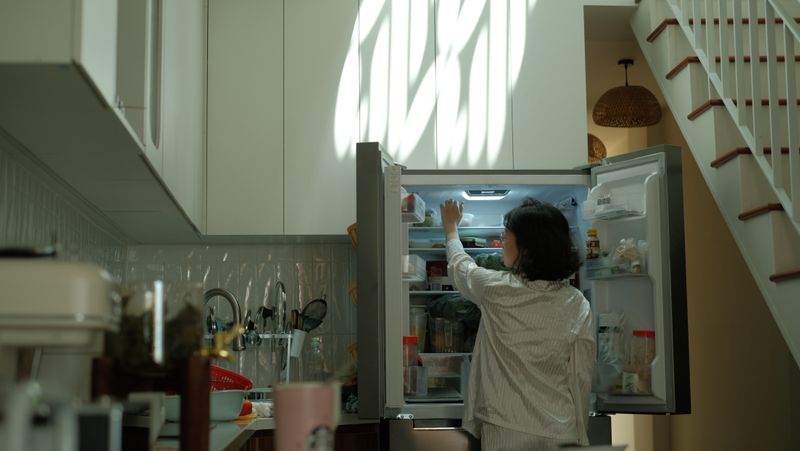
Thaw chicken gradually in the refrigerator at 40°F or below for a safe, hands-off method. (Image by Pexels)
2. Method 2: How to Defrost Chicken Safely in Cold Water
Cold-water thawing works well when dinner is a few hours away rather than tomorrow.
If you are deciding how to defrost chicken quickly and safely, this method requires a leakproof bag, cold water, and regular attention throughout thawing.
Step 1: Seal Chicken in a Leak-Proof Bag
Place the frozen chicken in a food-safe, leakproof bag and seal it securely. Check for holes or damaged seams before submerging it, since water entering the package can contaminate the meat and affect its texture.
Step 2: Submerge It in Cold Tap Water
Fill a clean bowl or basin with cold tap water and fully submerge the sealed chicken. Use a clean plate to keep it underwater if necessary. Avoid warm or hot water, which can heat the surface too quickly.
Step 3: Change the Water Every 30 Minutes
Replace the water with fresh cold tap water every 30 minutes to maintain suitable thawing conditions. Set a timer so you do not forget, and keep the chicken submerged rather than leaving it on the counter between changes.
Step 4: Separate Pieces as They Loosen Where Practical
If pieces loosen during thawing, gently separate them inside the bag where possible. If opening is necessary, keep raw juices contained and reseal securely before resubmerging. Never force frozen pieces apart with a knife.
Step 5: Cook Immediately After Thawing
Once the chicken is thawed, remove it from the bag and begin cooking immediately. Do not refrigerate it for a later meal after cold-water thawing. Check that the thickest part reaches 165°F (74°C) using a food thermometer.
3. Method 3: How to Safely Defrost Chicken in Microwave
Microwave thawing can save time, but uneven heating means some areas may start cooking while others remain frozen. For anyone checking how to defrost chicken safely, this option is suitable only when cooking can begin immediately afterward.
Step 1: Remove Inappropriate Packaging
Remove store wrapping, foam trays, absorbent pads, and any metal clips before microwaving. Keep packaging only if it is specifically labeled suitable for microwave defrosting, and follow its instructions rather than assuming all plastic is heat-safe.
Step 2: Place Chicken in a Microwave-Safe Dish
Arrange the chicken in a microwave-safe dish with raised sides to contain raw juices. Spread separate pieces in one layer where possible, leaving room to turn them. Avoid overcrowding, which makes uneven thawing harder to manage.
Step 3: Select Defrost or Low Power
Choose the microwave’s defrost setting, entering the chicken’s weight if requested.
Alternatively, use around 30% power and follow the appliance’s guidance. Work in short intervals instead of applying full power, which can cook the outside prematurely.
Step 4: Rotate and Turn the Chicken
Pause regularly to turn the chicken over and rotate its position in the dish. Follow any prompts from the microwave, even if it has a turntable, because thick sections and thinner edges may thaw at different rates.
Step 5: Separate Pieces as They Become Loose
Gently pull pieces apart once they release easily, then rearrange them with space between portions. Use clean utensils or wash your hands after handling raw chicken. Do not pry apart solidly frozen sections with sharp tools.
Step 6: Stop When the Chicken Is Thawed
Check the thickest sections between intervals, not just the softened edges. Stop once no hard frozen areas remain rather than continuing the preset cycle unnecessarily. If edges begin cooking, stop defrosting and proceed directly to cooking.
Step 7: Cook It Immediately
Transfer the chicken directly into your planned cooking process after microwave thawing. When learning how to defrost chicken safely, remember that microwave-thawed chicken should be cooked immediately because some areas may begin to warm or partially cook during defrosting.
Do not hold it for later preparation. Cook every piece to 165°F (74°C), checking the thickest sections with a food thermometer rather than judging color.
4. Is It Better to Thaw Chicken or Cook It From Frozen?
Thawing first generally makes even cooking, browning, and standard recipe timing easier to achieve.
Cooking chicken from frozen can also be safe in the oven or on the stovetop, but allow approximately 50% more cooking time and verify doneness with a thermometer.
Factor
Thawing Before Cooking
Cooking From Frozen
Preparation time
Requires refrigerator, cold-water, or microwave thawing
Skips the separate thawing stage
Cooking time
Usually follows the recipe’s standard timing
Often takes approximately 50% longer
Even heating
Easier to manage, especially with thick portions
Requires closer checks because the center starts frozen
Browning
Easier when the thawed surface is patted dry
Surface moisture can delay browning
Seasoning
Easier to coat or marinate evenly
Seasonings may not adhere well to an icy surface
Suitable methods
Appropriate for a wider range of recipes and appliances
Oven or stovetop; do not cook raw frozen chicken in a slow cooker or microwave
Doneness check
Thickest sections must reach 165°F (74°C)
The same 165°F (74°C) minimum applies
Best choice
When you have time and want predictable results
When thawing time is unavailable and the cooking method is suitable
Soft edges do not necessarily mean the center has finished thawing. These checks help you assess how to defrost chicken safely without mistaking a partly frozen portion for one ready to follow a standard cooking time.
1. The Thickest Part Has No Hard Frozen Core
Gently press the thickest section through the bag or with clean hands to check for a rigid center. Thawed chicken should yield rather than feel solid inside.
Large breasts and whole birds can remain frozen internally after their surfaces soften, so check more than one area before deciding they are ready.
2. Individual Pieces Separate Without Force
Breasts, thighs, or wings frozen together should separate with gentle handling once the connecting ice has melted.
However, separation alone does not confirm that each piece is fully thawed. Check the center of every thick portion afterward, and avoid using a knife to pry apart sections that still resist movement.
3. Joints Move and the Cavity Is Free of Ice
For a whole chicken, gently check whether the legs and wings move at their joints.
Look inside the cavity for remaining ice, and confirm that any giblet packet releases easily. These signs should accompany a check of the thick breast sections, since movable joints alone cannot establish complete thawing throughout.
4. The Meat Remains Cold During Refrigerator or Water Thawing
Chicken thawed in the refrigerator or cold water should still feel cold, even after becoming flexible.
Coldness supports proper handling but does not prove the center is defrosted or the meat is safe. Microwave-thawed chicken may have warm areas, which is why it must go straight into cooking without delay.
6. Final Thoughts
Your schedule may determine which thawing method works best, but safe food handling should remain the priority. With how to defrost chicken safely, allow enough time for refrigerator thawing or cook the chicken promptly after using the cold-water or microwave method. Keep raw juices away from other foods and confirm the thickest part reaches 165°F before serving.
TAG Mobile also shares practical cooking tips, government support, and everyday resources for your next question.
Share
TAG Blog
Stories, guides, and helpful updates for staying connected.