How Long Is Rotisserie Chicken Good For? Fridge, Counter & Freezer Guide
Rotisserie chicken can cover tonight’s dinner and leave enough for tomorrow’s lunch, but those extra portions need a plan. Time spent traveling home, sitting on the counter, and co...
Quincy D.-Oct 07, 2026
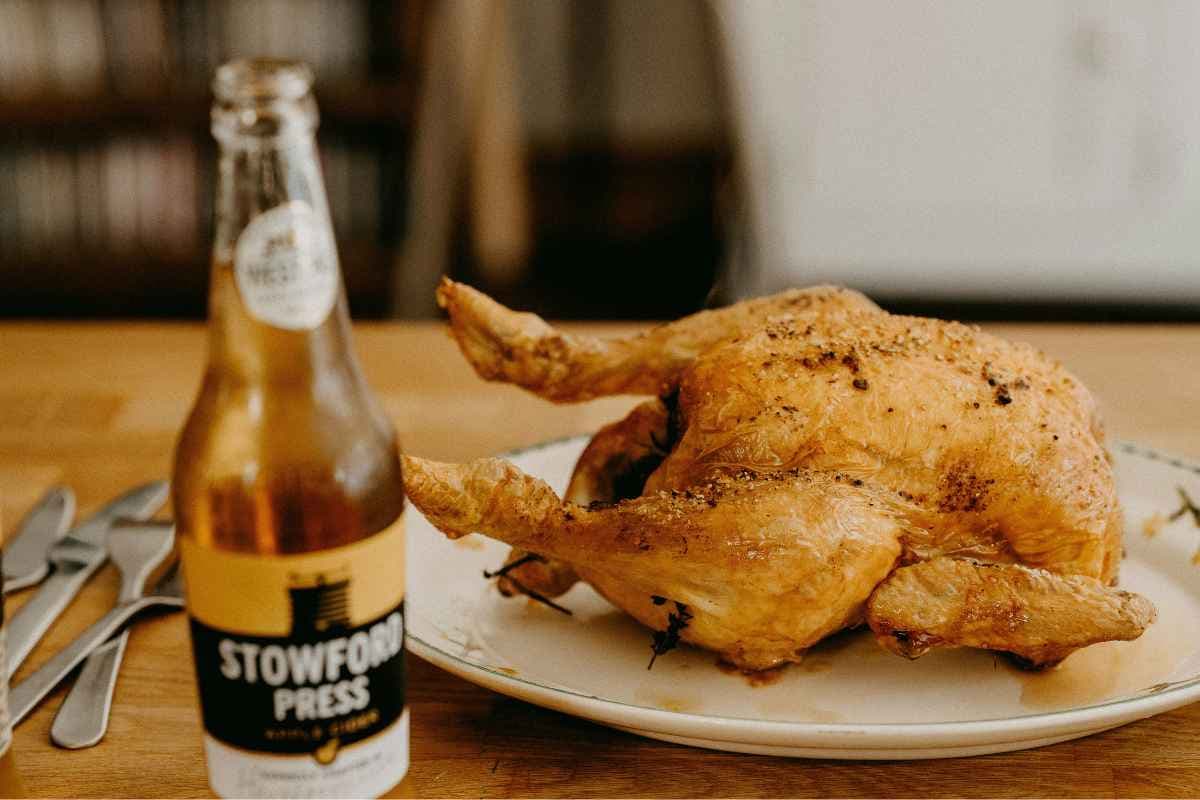
Image by Unsplash
Table of Contents
Rotisserie chicken can cover tonight’s dinner and leave enough for tomorrow’s lunch, but those extra portions need a plan. Time spent traveling home, sitting on the counter, and cooling all affects what happens next. If you are wondering how long is rotisserie chicken good for, this guide explains the storage limits, reheating essentials, and warning signs that help you manage leftovers without relying on guesswork alone.
1. How Long Is Rotisserie Chicken Good For in the Fridge?
How long is rotisserie chicken good for? Rotisserie chicken keeps for 3 to 4 days in a refrigerator maintained at 40°F (4°C) or below, according to USDA guidance for cooked leftovers.
If you are asking how long is a rotisserie chicken good for in the fridge, that window assumes prompt refrigeration and proper handling.
Count from cooking or purchase a freshly cooked store chicken. Divide leftovers into shallow containers, refrigerate promptly, and freeze portions you will not finish within that period. Reheating does not restart the clock.
2. How to Reheat Rotisserie Chicken Safely
Gentle oven reheating can warm rotisserie chicken without drying out the breast meat. Start with properly stored leftovers, then use a food thermometer to confirm that the center reaches a safe temperature rather than judging by appearance.
Step 1: Check the Storage History
Use chicken refrigerated promptly and kept within the recommended 3-to-4-day window, or leftovers while still suitable to eat.
If you are wondering how long is rotisserie chicken good for, checking when it was purchased or first refrigerated can help determine whether it is still within the recommended storage period.
Discard portions with questionable storage histories; reheating cannot reliably rescue food left at unsafe temperatures too long.
Step 2: Preheat the Oven
Set your oven to 350°F (177°C) and let it preheat. Remove the chicken from its store packaging, including any plastic tray or lid, and select an oven-safe baking dish large enough to hold it comfortably.
Step 3: Add Moisture and Cover
Place the chicken in the baking dish and pour a little broth or water around it. Cover the dish with foil to retain moisture while heating, helping protect exposed meat from drying before the center warms.
Step 4: Heat Until the Center Reaches 165°F
Reheat until a food thermometer reads 165°F (74°C) in several thick areas, avoiding contact with bone. Timing varies with portion size and starting temperature, so continue heating if any checked section remains below that target temperature.
Step 5: Serve the Portion You Need
Remove the dish carefully and serve promptly once the temperature checks are complete.
Reheat only what you plan to eat, keeping the remaining refrigerated chicken cold rather than repeatedly warming and cooling the entire stored batch.
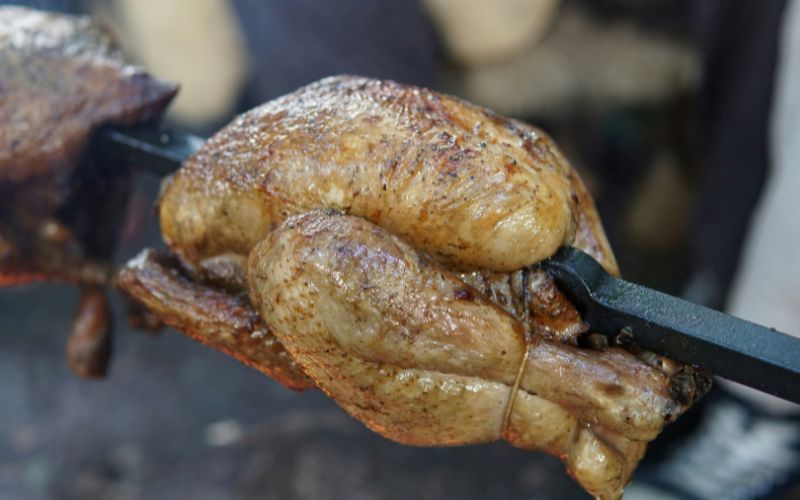
How long is a rotisserie chicken good for? Reheat rotisserie chicken gently and check the internal temperature to keep leftovers moist and safely heated. (Image by Unsplash)
3. How Can You Tell if Rotisserie Chicken Has Gone Bad?
Spoilage can change a chicken’s smell, surface, or appearance, but harmful bacteria may leave no obvious signs. When checking how long is rotisserie chicken good for in the refrigerator, treat its storage history as essential evidence alongside these warning signs.
1. Sour or Unpleasant Odor
Fresh rotisserie chicken usually smells like cooked poultry and its seasonings.
A sour, rotten, or otherwise unfamiliar unpleasant odor is a reason to discard it, even before the usual storage window ends. However, a normal smell does not establish safety, so never use the sniff test to extend refrigerated storage.
2. Slimy or Unusually Sticky Meat
Moist meat and congealed cooking juices can be normal after refrigeration, but an unusual slippery film or persistent tackiness on the meat may indicate spoilage.
Discard chicken with suspicious surface changes rather than rinsing it. Washing cannot restore safety and may spread contamination around your sink, utensils, and nearby surfaces.
3. Mold or Unexpected Discoloration
Visible mold or unexplained greenish patches are clear reasons to throw the chicken away.
Do not trim off the affected area and eat the remaining meat, because contamination may extend beyond what you can see. Seasoning and normal browning can affect color, so assess changes against the chicken’s original appearance.
4. Storage Beyond Safe Limits
Chicken can become unsafe while still looking and smelling normal.
Discard it after more than four refrigerated days, or if left without temperature control for over two hours, one hour above 90°F (32°C). Include travel and serving time when assessing exposure, and do not expect reheating to reverse unsafe storage.
4. Tips for Making Rotisserie Chicken Last Without Wasting It
Good storage starts when the chicken leaves the store, not when you finally clear the dinner table. Planning around how long is rotisserie chicken good for helps you divide it into meals while there is still time to freeze extra portions.
Bring it home promptly: Make the chicken one of your last purchases, and avoid leaving it in the car while running additional errands.
Refrigerate within the time limit: Refrigerate the chicken within two hours of purchase, or within one hour when temperatures exceed 90°F (32°C).
Divide it into shallow containers: Cut up the chicken or remove the meat from the bones so smaller portions cool faster than a whole bird in a deep container.
Label the cooking or purchase date: Add a clear date to each container so you can track the refrigerated storage window without trying to remember which evening you bought it.
Plan the next meal early: Assign portions to sandwiches, soups, or rice bowls instead of waiting until the final storage day to decide what to cook.
Thaw in the refrigerator: Keep frozen portions covered while thawing, rather than leaving them on the counter. Reheat thoroughly when serving them hot.
5. FAQs about Rotisserie Chicken Storage
Leftover chicken needs careful handling even when you plan to eat it the next day. These answers explain when to discard refrigerated portions, how to store them properly, and why waiting for chicken to cool on the counter is unnecessary.
Is rotisserie chicken good after 5 days?
Rotisserie chicken refrigerated for five days exceeds the USDA’s recommended storage window of 3 to 4 days, so it should be discarded.
Even if the meat smells normal and looks unchanged, harmful bacteria may be present without obvious warning signs. Reheating does not make chicken stored beyond the recommended window reliably safe.
How should I store leftover rotisserie chicken?
Cut the chicken into smaller portions or remove the meat from the bones, then place it in shallow, covered containers. Refrigerate at 40°F (4°C) or below within two hours, or one hour above 90°F (32°C). Label the storage date and freeze any portions you will not finish within 3 to 4 days.
Can I put warm rotisserie chicken directly in the refrigerator?
Yes, warm rotisserie chicken can go directly into the refrigerator after you divide it into smaller portions and place them in shallow containers. Smaller portions cool more quickly than a whole bird packed into a deep container. Waiting for it to reach room temperature is unnecessary and increases time spent outside refrigeration.
6. Final Thoughts
A little planning can help you get more meals from a rotisserie chicken without leaving leftovers in the refrigerator too long. The answer to how long is rotisserie chicken good for is generally 3 to 4 days when properly refrigerated, while freezing is a better option for portions you want to save longer. Date each container so you can easily track storage time.
For your next meal idea or practical everyday question, TAG Mobile has more helpful resources to browse.
Share
TAG Blog
Stories, guides, and helpful updates for staying connected.