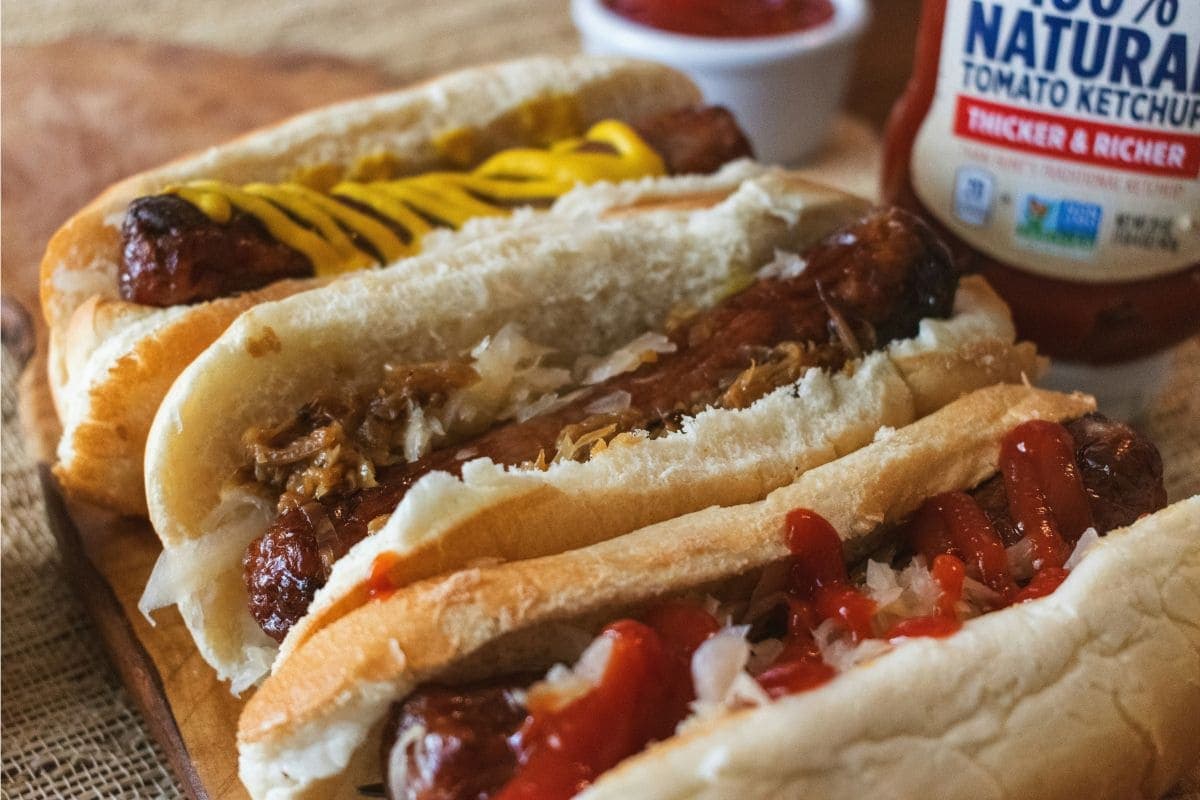
How Long to Boil Hot Dogs? A Quick Timing Guide for The Best Results

Boiled hot dogs can turn out juicy, warm, and ready for toppings when the timing is simple and controlled. This guide explains how long to boil hot dogs, how water temperature affe...

Quincy D.-Oct 01, 2026
How Long to Boil Hot Dogs? A Quick Timing Guide for The Best Results
Image by Unsplash

Table of Contents

Boiled hot dogs can turn out juicy, warm, and ready for toppings when the timing is simple and controlled. This guide explains
how long to boil hot dogs, how water temperature affects texture, what to check before serving, and why some hot dogs split in the pot. You will also find easy steps for stovetop cooking and quick tips for better results.

1. How Long to Boil Hot Dogs?

Refrigerated hot dogs usually need 4 to 6 minutes once they go into hot water, while frozen hot dogs need about 8 to 10 minutes to heat through evenly. If you are wondering how long does it take to boil hot dogs, timing depends on whether they are chilled, frozen, jumbo-sized, or cooked in a crowded pot.

For the best texture, keep the water at a gentle boil instead of an aggressive rolling boil after adding the hot dogs. This helps them warm through without turning rubbery, drying out, or splitting before they reach the buns.

2. How to Boil Hot Dogs in Water?

Boiling hot dogs is straightforward, but a few small details can help them heat evenly while staying juicy and tender. From using enough water to controlling the cooking time, follow these steps for reliable results every time.

Step 1: Bringing Water to a Rolling Boil

Fill a medium pot with enough water to completely cover the hot dogs once added. Place it over medium-high to high heat and bring the water to a rolling boil before cooking. Enough water helps each hot dog heat evenly on all sides.

Step 2: Adding Hot Dogs Carefully to Boiling Water

Once the water reaches a steady boil, use kitchen tongs to lower the hot dogs into the pot carefully. Avoid dropping them in, as splashing water can cause burns. Make sure every hot dog stays fully submerged for consistent heating throughout.

Step 3: Boiling for the Recommended Duration Based on Temperature

Reduce the heat slightly to maintain a gentle boil after adding the hot dogs. For anyone wondering how long to boil hot dogs in water, refrigerated hot dogs generally need about 5-6 minutes, while frozen ones may take approximately 7-9 minutes.

Step 4: Removing Hot Dogs and Draining Excess Water

Use tongs to remove each hot dog as soon as the cooking time is complete. Place them on a clean plate and allow excess water to evaporate briefly before serving. Prompt removal also prevents continued cooking, which can make the texture tougher.
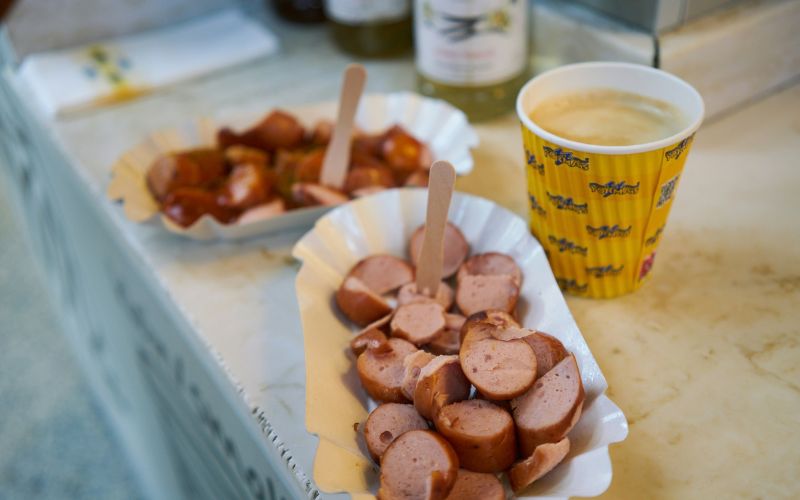
how-long-to-boil-hot-dogs-how-to-boil
Boil hot dogs with controlled heat and timing to keep them juicy, tender, and evenly warmed. (Image by Unsplash)

3. How to Know When Boiled Hot Dogs Are Fully Cooked Inside?

Boiled hot dogs should be evenly heated from the center to the casing without becoming overly soft or split. While how long do hot dogs take to boil offers a useful timing reference, checking a few clear signs can help confirm they are ready to serve.

  • Check the internal temperature: Use a food thermometer to test the center. Around 165°F (74°C) indicates the hot dog has been heated thoroughly.
  • Look at the center: Slice one open and make sure the inside is hot throughout, with no cool or cold spots remaining.
  • Notice slight plumping: Properly heated hot dogs usually become a little fuller as they warm, without excessive swelling.
  • Test the texture: Ready-to-eat hot dogs should feel firm yet slightly springy when handled with tongs.
  • Watch for steam: Light steam coming from the center after slicing is another sign that the hot dog is heated through.

>>> Also read: How Long to Boil Chicken Breast? Ideal Cook Times for 4 Common Cuts

4. Why Do Hot Dogs Split While Boiling?

Hot dogs can split when heat builds too quickly and creates excess pressure beneath the casing. Several factors, including water temperature, cooking time, and casing thickness, can cause the skin to rupture before the center finishes heating evenly.
Boiling at Too High a Temperature

Aggressively boiling water heats hot dogs too quickly, causing the filling to expand faster than the casing can stretch. Keeping the water at a gentle boil helps control internal pressure, reduces the chance of splitting, and promotes more even heating throughout.

Leaving Hot Dogs in Water Too Long

Overcooking weakens the casing, while continued heat causes the meat inside to expand and lose moisture. For example, when checking how long to boil hot dogs on stove, following the recommended cooking time helps prevent cracked skins, shriveling, and an overly rubbery texture.

Sudden Temperature Changes

Dropping refrigerator-cold or frozen hot dogs directly into rapidly boiling water creates an abrupt temperature change. Their interiors begin expanding quickly while the outer casing tightens under intense heat, increasing internal pressure and making cracks or splits more likely to develop.

Thin or Delicate Casings

Hot dogs with thin natural or synthetic casings are generally more vulnerable to high temperatures and prolonged boiling. Small existing tears can also widen as the filling expands, causing the casing to burst even when the hot dogs have not been severely overcooked.

Overcrowding the Pot

Crowding too many hot dogs into one pot prevents water from circulating evenly around each piece. Uneven heating, constant contact, and fluctuating water temperatures can place additional stress on the casings, increasing the likelihood of splitting before cooking is complete.

5. FAQs about How Long to Boil Hot Dogs

Cooking hot dogs well depends on more than timing alone, since water temperature, cooking method, and even the liquid you use can influence the final texture. These common questions explain how to keep hot dogs juicy, evenly heated, and less likely to split during boiling.

Do You Put Hot Dogs in Before or After the Water Boils?

Hot dogs are generally best added after the water reaches a boil, then the heat can be reduced slightly. Starting this way shortens the time they spend in hot water and helps prevent overcooking. Gentle heating afterward allows the center to warm evenly while the casing stays intact.

Should You Boil or Simmer Hot Dogs?

A gentle simmer is usually preferable to a vigorous boil because it heats hot dogs more evenly and places less stress on the casing. Strong bubbling can cause the skin to split or the texture to become rubbery. Lower heat also gives you better control over the cooking process.

Can You Overboil a Hot Dog?

Yes, hot dogs can be overboiled if they remain in the water far longer than necessary. Excess heat may cause the casing to burst, the surface to wrinkle, and the inside to lose its juicy texture. Remove them once they are heated thoroughly instead of leaving them in continuously.

Can You Boil Hot Dogs in Broth Instead of Water?

Yes, you can boil hot dogs in broth instead of plain water for extra flavor. Chicken, beef, or vegetable broth can add a mild savory taste as the hot dogs heat. Choose a lightly seasoned broth so it complements the meat without making the overall flavor too salty or overpowering.

>>> Read more: How Long to Grill Burgers? Times, Temperatures, and Doneness Guide

Final Thoughts

Hot dogs only need a short time in hot water to become tender and evenly heated. For how long to boil hot dogs, pay attention to whether they start refrigerated or frozen and avoid leaving them in the pot longer than necessary. Gentle heat can also help prevent split casings and a rubbery texture.

Share
TAG Blog

Stories, guides, and helpful updates for staying connected.

Tags

Free PhoneLifeline ProgramSNAP - Food StampsMedicaidWICSSIFree & Discounted TabletProvidersHow To QualifyLifeline Program FactsGovernment SupportLifestyle

Related posts

Lifestyle

What Is Corned Beef? All From Brisket to the Finished Dish

Salty, tender, and deeply flavorful, corned beef starts as a simple cut of beef before undergoing a curing process that transforms both its taste and...

Quincy D.-Oct 01, 2026