What Is Black Pudding? What It’s Made Of, Tastes Like, and How It’s Eaten
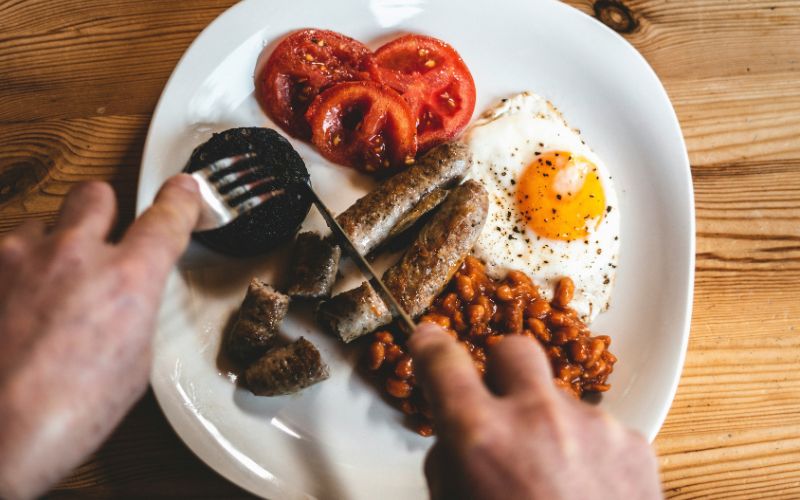
On a breakfast plate, black pudding stands out before you even take a bite: dark, neatly sliced, and unlike the eggs or toast beside it. Its name offers few clues, especially if yo...
Quincy D.-Oct 12, 2026
Image by Unsplash
Table of Contents
On a breakfast plate, black pudding stands out before you even take a bite: dark, neatly sliced, and unlike the eggs or toast beside it. Its name offers few clues, especially if you associate pudding with dessert. This guide answers what is black pudding, taking you through its ingredients, flavor, and serving traditions so you know what to expect when it appears on the menu.
1. What Is Black Pudding Made Of?
What is black pudding? Black pudding is a savory blood sausage with longstanding roots in British and Irish cooking.
It reflects a tradition of using more of the animal after slaughter, combining blood with grains, fat, and seasonings. If you’re curious about what is in black pudding, the main ingredients below explain its distinctive color and substantial texture, though recipes vary.
Ingredient
Common examples
Role in black pudding
Animal blood
Usually pork blood; some recipes use beef blood
Gives the pudding its dark color and contributes to its structure when cooked.
Absorb moisture and give the mixture body and texture.
Fat
Pork fat or beef suet, depending on the recipe
Adds richness and helps keep the pudding moist.
Seasonings
Salt, pepper, and regional spice blends
Shape the savory flavor, with seasoning varying between producers.
Sausage casing
Natural or manufactured casing
Holds the mixture in a tube or ring while it cooks and sets.
These ingredients form the basic mixture, but the grain, fat, and seasoning choices differ between regional recipes and brands.
2. The Taste of Black Pudding and How to Serve It
Black pudding’s dark appearance can seem unfamiliar, but its appeal lies in savory seasoning and the contrast between crisp edges and a softer center. If you’re wondering what is black pudding like to eat, its flavor and pairings offer a useful introduction.
What Does Black Pudding Taste Like?
Expect a rich, savory flavor with earthy notes and a gentle graininess from oats or barley.
Depending on the recipe, pepper, herbs, and onion may add warmth or sweetness. Fried slices develop crisp edges around a dense, tender center, while the overall intensity varies between producers and regional styles.
What to Eat Black Pudding With?
Serve black pudding alongside eggs, bacon, mushrooms, tomatoes, or potatoes for a traditional English breakfast plate.
For a lighter combination, pair small crisp pieces with salad leaves and a tangy dressing. Apples, mustard, and caramelized onions also complement its richness, bringing sweetness or acidity without overwhelming the pudding’s savory character.
3. How to Make Black Pudding Perfectly
Let’s see how to make the perfect black pudding both from scratch and from the pan-frying ready-made version.
#1: Cooking Prepared Black Pudding
For anyone exploring what is black pudding, cooking a prepared version is also a simple way to experience its characteristic savory flavor and texture. Check the package instructions first, as preparation methods and recommended cooking times can vary by product.
Step 1: Check the Label and Casing
Read the packaging to confirm whether your black pudding is precooked and how the manufacturer recommends preparing it. Remove any outer wrapping and inedible casing before slicing, following the product instructions rather than assuming every casing is edible.
Step 2: Cut Even Slices
Use a sharp knife to cut the pudding into rounds approximately one centimeter thick. Keep the slices even so they heat at a similar rate, and handle them gently to prevent the edges from crumbling.
Step 3: Warm the Pan
Heat a thin layer of cooking oil in a frying pan over medium heat. Allow it to warm without smoking, then arrange the slices in a single layer with enough space to turn each piece comfortably.
Step 4: Cook Both Sides Gently
Cook for approximately three minutes per side, using the package directions as your main guide. Turn each slice carefully with a spatula, lowering the heat if the outside darkens too quickly before the center heats through.
Step 5: Check and Serve
Check that the slices are heated through according to the manufacturer’s instructions, rather than judging by color alone. Lift them onto plates once the edges are crisp, and serve promptly while the center remains tender.
Cook black pudding with the right heat and timing for a crisp exterior and tender center. (Image by Unsplash)
#2. Making Black Pudding from Scratch
What is in black pudding? Here are some of the ingredients to prepare include:
500g pork blood (fresh or frozen, thawed)
200g pork fat or lard (diced small)
150g breadcrumbs or steel-cut oats
1 onion (finely diced)
2 tsp salt
1 tsp black pepper
½ tsp thyme or marjoram
Pinch of nutmeg
Natural hog casings (soaked in warm water)
Step 1: Prepare the fat
Fry diced pork fat in a pan over medium heat until it renders slightly to releases oil. Add diced onion and cook until soft (3-4 minutes). Cool completely.
Step 2: Mix the filling
In a large bowl, combine cooled fat/onion mixture, pork blood, breadcrumbs (or oats), salt, pepper, and spices. Stir until evenly combined. The mixture should be thick and paste-like.
Step 3: Stuff the casings
Fill soaked hog casings with the mixture using a sausage stuffer or piping bag. Tie off each end. Don’t overfill, you should leave ½ inch at the top.
Step 4: Prick air pockets
Use a needle or fork to poke small holes in the casing to release trapped air (prevents bursting).
Step 5: Cook the pudding
Bring a large pot of water to 80°C (176°F) below boiling. Gently lower puddings into water. Poach for 30-45 minutes until firm, and note that they will sink, then float when done. Don’t boil because high heat causes casings to burst.
Remove with a slotted spoon and cool on paper towels. You can refrigerate them for up to 5 days or freeze for later.
4. Black Pudding vs. Blood Sausage: What’s the Difference?
Black pudding belongs to the broader blood sausage family, so these names describe a specific style and a wider category.
Differences become clearer when you compare British and Irish black pudding with blood sausage traditions from other regions.
Feature
Black Pudding
Blood Sausage
Meaning
A particular style of blood sausage
An umbrella term covering wide regional varieties
Regional association
Closely associated with Britain and Ireland
Found across Europe, Asia, the Americas, and elsewhere
Main ingredients
Blood, fat, grains, and seasonings
Blood combined with ingredients that vary by tradition
Typical fillers
Oatmeal, oat groats, or barley
May include rice, breadcrumbs, grains, meat, or other ingredients
Texture
Often dense and grainy, with slices that can become crisp when fried
Can range from soft and creamy to firm or crumbly
Flavor
Commonly earthy and savory, with recipe-specific seasoning
Varies widely with spices, herbs, fillers, and preparation
Serving styles
Breakfast slices or pieces incorporated into other dishes
Served in numerous ways according to regional cuisine
Black pudding raises questions about its ingredients, cultural background, and suitability for different diets. These answers also clarify how it is named and where you might find it when shopping.
What is black pudding called in America?
In the United States, black pudding may be described as blood sausage, although specialist British and Irish shops often retain its original name. Blood sausage is a broader category, so a product sold under that label may follow a different recipe.
Why do British people eat black pudding?
Black pudding has a longstanding place in British cooking, rooted partly in making use of more of the animal after slaughter. Today, people enjoy it for its savory flavor and texture, particularly as part of a cooked breakfast.
Is black pudding pig or cow blood?
Black pudding commonly contains pig blood, but some recipes use cow blood instead. Check the ingredient label for the specific product, since the blood source and the type of fat used can differ.
What’s the difference between black pudding and white pudding?
Black pudding contains blood, which gives it its characteristic dark color, while white pudding does not. Both can contain grains, fat, and seasonings, but their recipes vary, so white pudding is not necessarily an identical mixture with the blood removed.
Can Muslims have black pudding?
Traditional black pudding is not halal because it contains blood, and many recipes also include pork ingredients. A blood-free alternative would need its own ingredients and halal status checked rather than being assumed suitable.
Do they sell black pudding in Aldi?
Yes, Aldi lists black pudding products in markets including the United Kingdom and Ireland. Availability varies by country and store, so check your local range rather than assuming every Aldi location carries it.
6. Final Thoughts
Black pudding brings a distinctive savory flavor and texture to the plate, especially when served as part of a traditional breakfast. After exploring what is black pudding, you can start with a small portion, follow the package cooking directions, and pair it with more familiar foods to see how you like it. A crisp exterior and tender center can make the first taste especially enjoyable.
TAG Mobile also dishes up more practical food insights and everyday discoveries for curious readers.
Share
TAG Blog
Stories, guides, and helpful updates for staying connected.