Getting a SIM card for free is easier than many people think, especially through government-supported programs and participating mobile providers. If you’re wondering how to get a new SIM card free, the key is understanding where to apply, who qualifies, and what steps to follow.
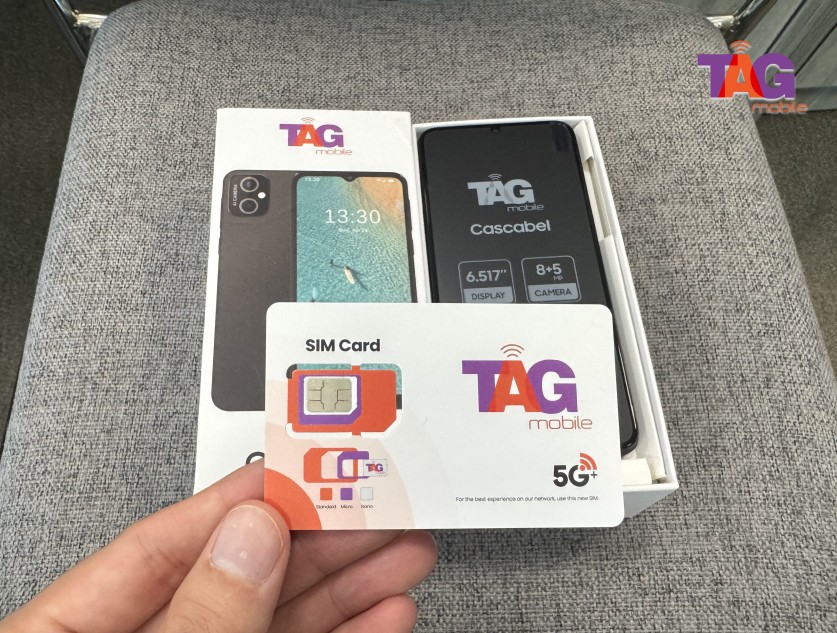
Programs like Lifeline offer monthly discounts on mobile service for eligible low-income users, and providers such as TAG Mobile may include a free SIM card or eSIM as part of the setup. In this step-by-step guide, you’ll learn exactly how to apply, what you need, and how to get connected quickly without upfront costs.
1. Can You Really Get a SIM Card for Free?
Yes, it is possible to get a SIM card for free in certain situations. Many mobile providers include a SIM card at no cost when you sign up for a plan or qualify through assistance programs. The Lifeline Program is a federal assistance program that helps low-income individuals access affordable phone and internet services. It provides the benefit, not the devices.
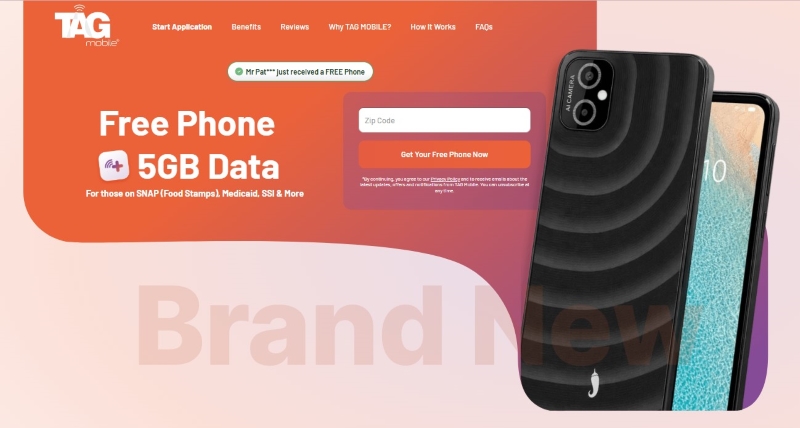
Lifeline carriers like TAG Mobile are the ones that actually deliver the service, which may include a free SIM card and, in some cases, a free or discounted device for eligible users, helping them stay connected without upfront SIM-related costs.
>>> Also read: Free SIM Cards With Free Data: How to Claim Yours Now
2. Who Qualifies for a Free SIM Card?
Not everyone is eligible for a free SIM card, but programs like Lifeline make it accessible for low-income individuals and families. Understanding the Lifeline qualification criteria helps you determine if you can receive a complimentary SIM and take advantage of affordable mobile service through Lifeline providers like TAG Mobile.
Income-Based Eligibility
You may qualify for a free SIM card through the Lifeline program if your household income is 135% or less than the Federal Poverty Guidelines. These guidelines are updated annually and vary depending on household size and location. Eligible individuals typically need to provide proof of income, such as recent pay stubs, tax returns, or government assistance documentation, during the application process to confirm qualification.

Participation in Government Programs
Even if your income is above the threshold, you can still qualify by participating in certain government assistance programs. These programs demonstrate need and allow individuals and families to access free mobile services. Programs that qualify include:
- Supplemental Nutrition Assistance Program (SNAP)
- Medicaid
- Supplemental Security Income (SSI)
- Federal Public Housing Assistance (FPHA)
- Veterans Pension and Survivors Benefit
- Head Start (Income Eligible, Tribal Only)
- Food Distribution Program on Indian Reservations (FDPIR)
- Bureau of Indian Affairs General Assistance
- Tribal TANF
3. How to Get a Free SIM Card (Step-by-Step)
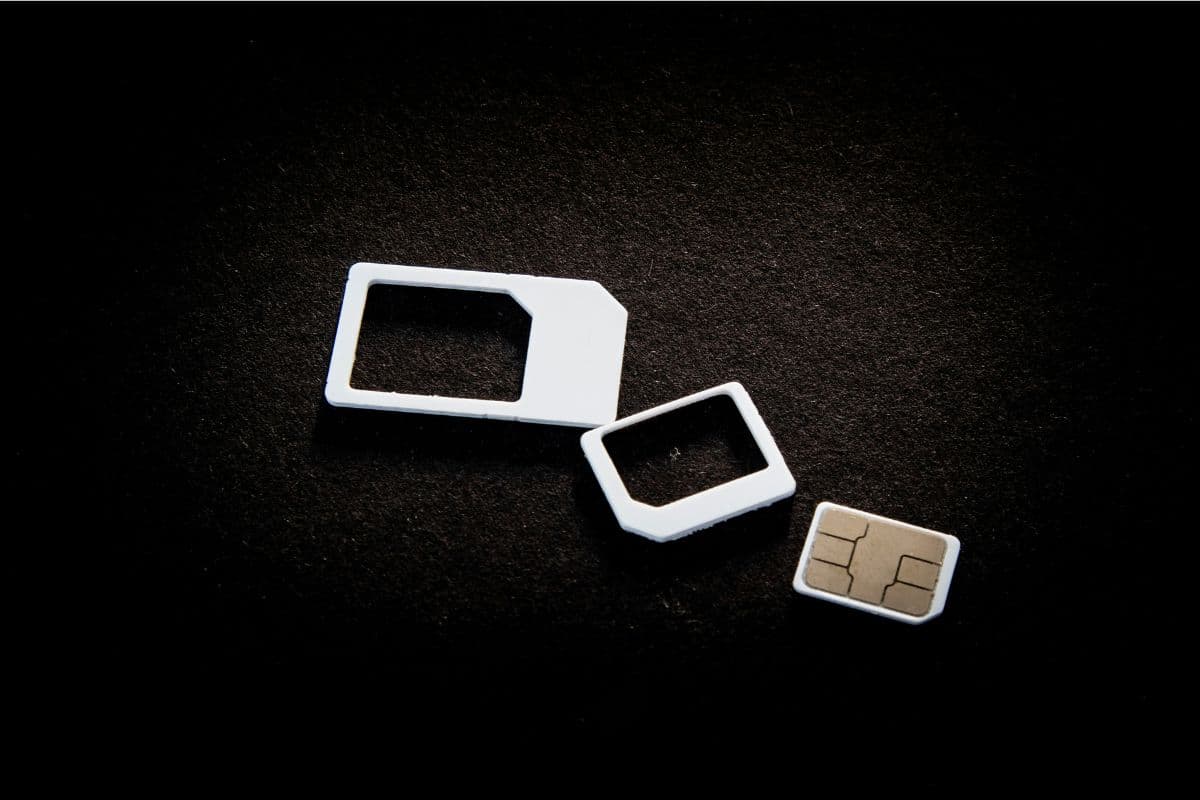
Receiving a free SIM card is easier than ever with programs like the Lifeline program, which provides eligible users with reliable mobile service at no cost. By following a few clear steps, you can obtain a mini SIM card or a SIM-free card and start using your phone for calls, texts, and data quickly and efficiently.
Step 1: Check Your Eligibility
Before applying, confirm that you meet the eligibility requirements for a free SIM card. You can qualify either through income-based criteria or by participating in government assistance programs such as Medicaid or SNAP. Ensuring that you meet these standards will save time and help streamline the application process.
Step 2: Choose a Provider (TAG Mobile)
Select a trusted Lifeline provider like TAG Mobile, which offers free or discounted devices along with SIM cards. TAG Mobile provides flexible plan options and supports both mini SIM cards and eSIM setups. Choosing a reliable provider ensures that your SIM-free card works seamlessly with your device and network.