Mobile connectivity can extend beyond one device when a smartphone shares its cellular data with nearby laptops, tablets, or other electronics.
Understanding what is a mobile hotspot means learning how tethering works through Wi-Fi, Bluetooth, or USB, along with its effects on speed, battery life, and data usage. This guide explains the setup process, common limits, security considerations, and situations where hotspot access becomes especially useful.
1. What Is a Mobile Hotspot and How Does It Work?
What is a mobile hotspot? Mobile hotspots share a 4G or 5G cellular internet connection with nearby Wi-Fi devices, including laptops, tablets, and other phones.
Understanding this means recognizing how a phone or dedicated device uses mobile data from a SIM card to create a private wireless network.
- Receives cellular data: The device uses its built-in modem and SIM card to establish a connection with an available 4G or 5G mobile network.
- Converts the signal: Incoming cellular data is transformed into a standard Wi-Fi signal that compatible devices can access.
- Broadcasts a network: The hotspot generates a private wireless network with its own name, also known as an SSID, and a security password.
- Connects your devices: Nearby laptops, tablets, and smartphones can join the network just as they would connect to regular home Wi-Fi.
2. What Is a Mobile Hotspot Device?
Mobile hotspot devices are compact, portable pieces of hardware that receive a 4G or 5G cellular signal and convert it into a private Wi-Fi network. They provide internet access for laptops, tablets, smartphones, and other compatible electronics without relying on fixed broadband.
These devices are especially useful for travel, remote work, temporary setups, or areas with limited public Wi-Fi. Connection quality depends on cellular coverage, signal strength, device capacity, and the amount of data included in the selected plan.
>>> Read More: What is eSIM? Fast Facts About the Future of Mobile
3. Phone Hotspot vs Dedicated Hotspot Device
Both options turn cellular data into an internet connection for nearby devices, but they differ in cost, performance, and convenience.
Knowing what is a mobile hotspot also helps clarify whether a phone-based connection or a standalone device better matches your daily needs.
| Feature | Phone Hotspot | Dedicated Hotspot Device |
| How it works | Uses the smartphone’s cellular connection and built-in hotspot feature. | Uses separate hardware with its own modem, battery, SIM, and data plan. |
| Convenience | Quick to activate because no additional device is required. | Requires carrying, charging, and managing another device. |
| Upfront cost | Usually involves no extra hardware expense. | Requires purchasing or obtaining a separate hotspot device. |
| Battery impact | Can drain the phone battery quickly during extended use. | Preserves phone battery by operating independently. |
| Connection stability | Suitable for occasional browsing and connecting a few devices. | Often provides stronger reception and steadier performance for longer sessions. |
| Device capacity | May support a limited number of connected devices. | Can usually handle more simultaneous connections, depending on the model. |
| Data requirements | Uses hotspot data included in the phone plan. | Typically requires a separate data-only or hotspot plan. |
| Best for | Personal travel, temporary access, and light remote work. | Teams, frequent travelers, conferences, and regular multi-device use. |
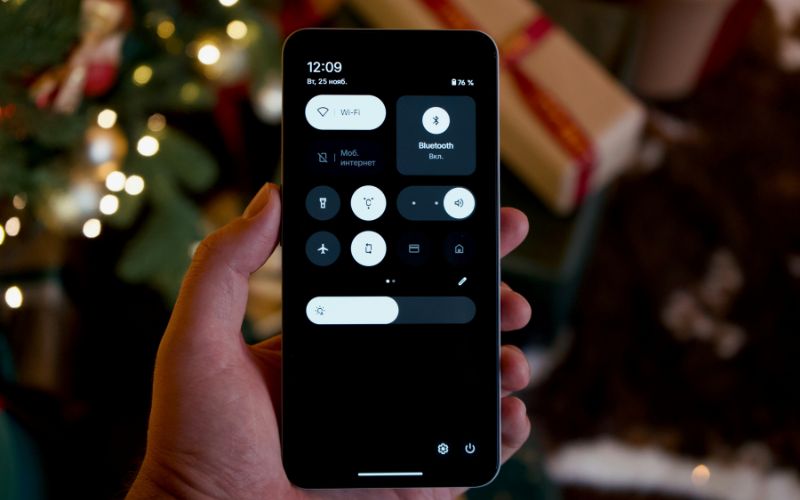
Overall, phone hotspots are quick to set up but drain your battery quickly and work best for light, occasional use. They are limited to a few devices and use your phone’s data plan.
Dedicated hotspot devices require purchasing or obtaining a separate device and plan, but they preserve your phone battery, handle multiple connections, and provide stronger, steadier performance. \
Choose phone hotspots for occasional travel and dedicated devices when you need stable, multi-device connectivity.
4. A Mobile Hotspot Can Extend the Value of a Connected Phone
Mobile hotspot functionality can expand a phone’s usefulness by sharing cellular data with laptops, tablets, and other nearby devices.
For households managing communication costs across multiple devices, it changes the equation entirely. By sharing cellular data with laptops, tablets, and other nearby devices, a single phone plan can support remote work, online learning, navigation, and everyday digital tasks without requiring separate subscriptions for each device.