How Long to Boil Potatoes for the Texture You Need
How long to boil potatoes to your liking? Boiling time depends on potato size, variety, and how the cooked pieces will be used. Let’s together find out the right timing for whole p...
Quincy D.-Aug 10, 2026
Image by Unsplash
Table of Contents
How long to boil potatoes to your liking?
Boiling time depends on potato size, variety, and how the cooked pieces will be used. Let’s together find out the right timing for whole potatoes, cubes, and different recipes, while showing how to test doneness accurately and choose the right texture for salads, mashed potatoes, soups, or simple side dishes.
1. How Long to Boil Potatoes? Estimated Time
Potatoes generally need 10 to 25 minutes to become tender, depending on their size and preparation.
Anyone wondering how long does it take to boil potatoes should expect small cubes to cook fastest, while whole potatoes require more time. Test doneness by inserting a fork into the center.
2. Potato Boiling Timing Changes With Some Factors
Potatoes do not cook at the same speed in every situation, even when the recipe appears simple. Size, variety, preparation, heat level, and the desired texture all influence how long they should remain in the pot.
Potato size
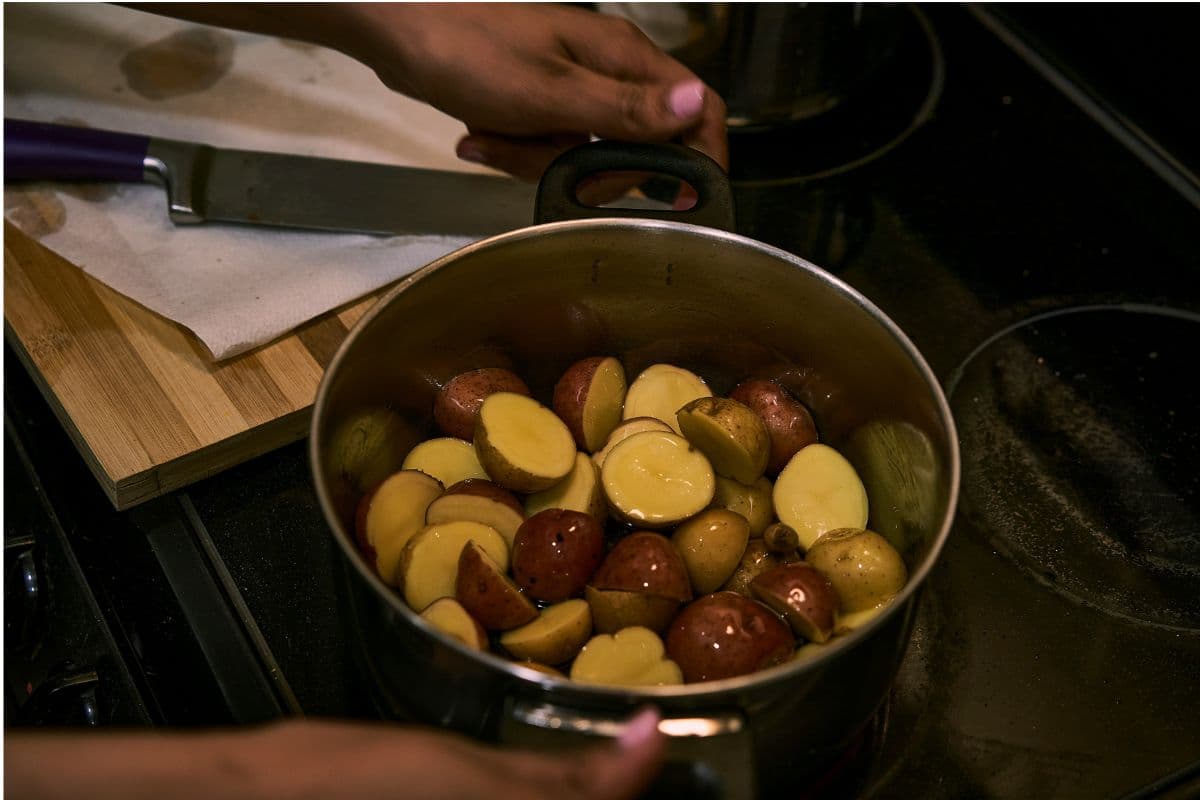
Small cubes usually become tender within 10 to 15 minutes, while large pieces or whole potatoes may require 20 to 30 minutes. Cutting them into evenly sized portions promotes consistent cooking.
Potato variety
Waxy potatoes hold their shape well and are suitable for salads, while starchier varieties soften more easily. When considering how long to boil potatoes for mashed potatoes, cook them until a fork passes through the center without resistance.
Starting water temperature
Beginning with cold, salted water allows the potatoes to heat gradually and cook evenly. Dropping them directly into boiling water may soften the exterior before the center becomes tender.
Boiling intensity
Rapid boiling can break delicate potatoes apart and create unevenly cooked edges. Maintain a gentle simmer so the pieces cook steadily without becoming waterlogged or losing their shape.
Desired final texture
Potato salad needs tender pieces that remain firm enough to hold together, while mashed potatoes require a softer center. Begin testing several minutes before the estimated cooking time ends.
Peeling and preparation
Peeled potatoes may absorb more water and cook slightly faster than potatoes boiled with their skins. Leaving the skin on can help preserve structure, especially when preparing whole or waxy potatoes.
3. Boiling Mistakes That Affect More Than Timing
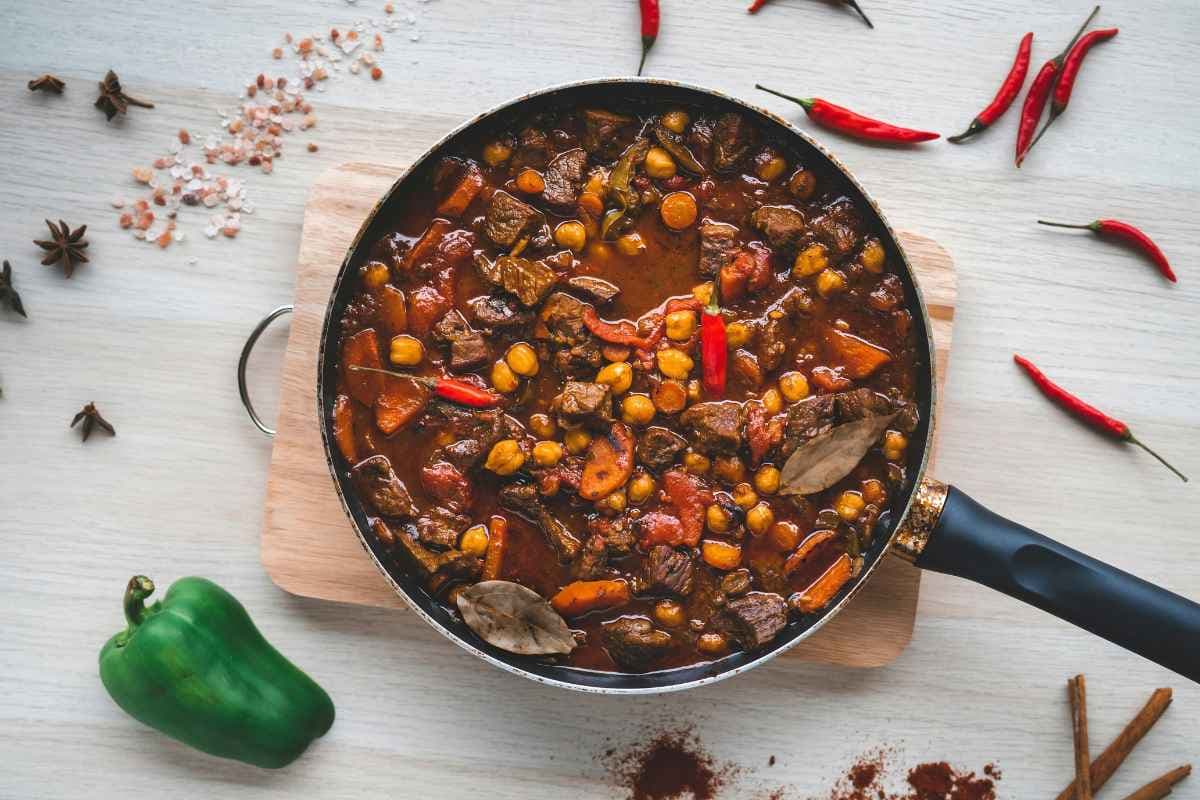
Common boiling mistakes can affect texture, flavor, and cooking results, not just timing. (Image by Unsplash)
Poor technique can change potato texture, flavor, and structure even when the cooking time seems correct.
Knowing what mistakes to avoid helps the pieces cook evenly and hold the right consistency for the final dish.
Cutting Uneven Pieces
Large and small pieces do not become tender at the same rate. Smaller cubes may begin breaking apart while thicker sections remain firm in the center.
Cut potatoes into similar sizes before boiling so the entire batch finishes together and requires less guesswork.
Starting With Boiling Water
Adding raw potatoes directly to boiling water can cook the outside faster than the center.
Starting them in cold water allows the temperature to rise gradually, promoting more even cooking. This is especially useful when deciding how long to boil potatoes for potato salad, where the pieces must stay intact.
Letting the Water Boil Too Aggressively
A rolling boil can knock the potatoes against one another and cause fragile edges to crumble. Keep the water at a steady simmer instead. Gentler heat cooks the centers thoroughly while reducing the risk of waterlogged texture, broken pieces, or a cloudy, starchy pot.
Adding Too Much or Too Little Salt
Unsalted water can leave potatoes bland inside, even when the finished dish is seasoned later. Excessive salt, however, may overpower the natural flavor. Add a moderate amount at the beginning so the potatoes absorb seasoning gradually as they cook.
Leaving Potatoes in Hot Water After Cooking
Once tender, potatoes continue absorbing heat and moisture if they remain in the pot. This can make them overly soft, especially for salads. Drain them immediately, spread them out if needed, and let excess steam escape before mixing them with other ingredients.
Phone timers, alarms, and saved recipe notes can make potato preparation more accurate and less stressful. These tools help users monitor cooking intervals, check tenderness at the right moment, and avoid leaving potatoes in hot water longer than necessary. But not everyone can afford it, even in a technology-driven era.
The Lifeline Program is a federal benefit that helps eligible low-income households lower the monthly cost of phone, internet, or bundled service.
Qualification may be based on household income at or below 135% of the Federal Poverty Guidelines or participation in an approved assistance program, such as SNAP, Medicaid, SSI, or Federal Public Housing Assistance.
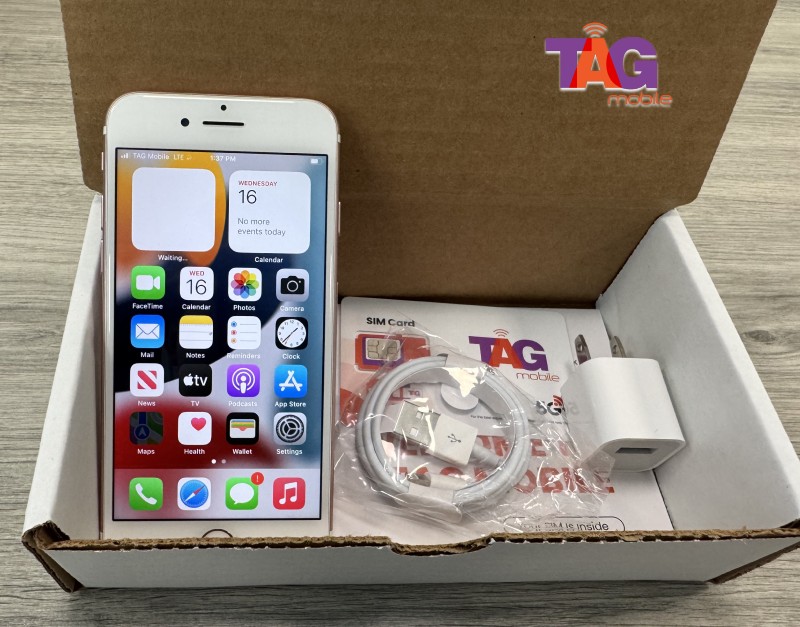
Furthermore, TAG Mobile is a Houston-based wireless service provider and an Eligible Telecommunications Carrier (ETC) that offers Lifeline-supported service in participating areas.
Many qualifying customers choose TAG Mobile as apart from the free monthly service, they can also also get a free or discounted device, along with unlimited talk and text, high-speed data (benefits can vary by location, eligibility, and inventory).
Applying online allows eligible users to review available plans, select a device, and submit the information required for verification. Here’s how to get started:
Confirm your eligibility: Determine whether you qualify through household income or participation in an approved program, such as SNAP, Medicaid, or SSI.
Prepare required documents: Gather proof of identity, address, income, or program participation in case additional verification is requested.
Check service availability: Enter your ZIP code on the TAG Mobile website to confirm whether Lifeline plans and device offers are available in your area.
Select a Lifeline plan: Compare the wireless benefits available in your location, including monthly data, talk, text, and other included features.
Choose an eligible device: Review the free or discounted phone options displayed for your ZIP code and select a suitable model.
Complete the application: Enter your legal name, date of birth, home address, and other requested details exactly as they appear on official records.
Upload supporting proof: Submit clear and readable copies of any documents needed to verify your identity or eligibility.
Review and submit: Check the application carefully for missing information, spelling errors, or details that do not match your documents.
Processing time can vary when additional identity or eligibility checks are required. After approval, the device is typically delivered within 7-10 business days.
A device (free or discounted) along with a data plan through TAG Mobile guarantees to elevate your daily life.
Note: Eligibility varies by state and program. Offers depend on availability and qualifications. TAG Mobile operates under the federal Lifeline Program as an Eligible Telecommunications Carrier (ETC). Service is non-transferable and limited to one service per household.
5. Frequently Asked Questions about Potato Doneness
Knowing how long to boil potatoes is only part of getting the texture right, as potato size, variety, and preparation can all influence the final result. These answers explore common boiling concerns and help prevent potatoes from turning out unevenly cooked, too firm, or excessively soft.
Should potatoes start in cold or boiling water?
Potatoes should usually be placed in cold water before the pot is heated. Gradual heating allows the centers and outer edges to cook at a similar rate. Starting with boiling water may soften the surface too quickly while leaving the middle undercooked.
Can potatoes be overboiled?
Yes, excessive boiling can make potatoes waterlogged, mushy, or difficult to use in salads and other structured dishes. Check them regularly once they approach the expected cooking time. Drain them immediately when a fork slides through the center with little resistance.
Why are my boiled potatoes still hard in the center?
Hard centers often occur when potato pieces are too large, unevenly cut, or cooked at an excessively high temperature. Keep the water at a gentle simmer and allow additional cooking time. Cutting potatoes into similar-sized pieces also helps them become tender at the same rate.
Should potatoes be peeled before boiling?
Peeling depends on the intended dish and preferred texture.
Leaving the skin on helps potatoes retain their shape and can add texture to salads or rustic recipes. Peeled potatoes are often better for smooth mashed potatoes, soups, or dishes where the skin may feel distracting.
How long to boil sweet potatoes?
Sweet potato cubes generally need about 10 to 15 minutes, while larger pieces or whole potatoes may require 20 to 30 minutes. Begin checking them before the estimated time ends because they can soften quickly. Drain them once a fork enters easily without causing the pieces to collapse.
6. Final Thoughts
Boiling potatoes successfully depends on size, variety, preparation method, and the texture required for the final dish. Understanding how long to boil potatoes helps prevent hard centers, broken edges, or waterlogged results. In general, starting with cold water, maintaining a gentle simmer, and testing doneness with a fork make timing more reliable, whether the potatoes are intended for salads, mash, soups, or simple side dishes.
For more useful instructions covering technology, daily tips, government support, and others, make sure you catch the latest updates from TAG Mobile!
Share
TAG Blog
Stories, guides, and helpful updates for staying connected.