Free Hotspot for Students: Programs and Ways to Get Online
Internet access can make homework, virtual classes, research, and school communication much easier when students do not have dependable Wi-Fi at home. Finding a free hotspot for st...
Quincy D.-Sep 15, 2026
Image by Unsplash
Table of Contents
Internet access can make homework, virtual classes, research, and school communication much easier when students do not have dependable Wi-Fi at home. Finding a free hotspot for students in 2026 may involve school lending programs, libraries, nonprofit initiatives, or assistance designed for qualifying households. Availability varies by location and eligibility, so checking local schools and community resources is usually the best place to begin.
1. Can Students Get a Free Hotspot in 2026?
Yes. Some U.S. programs still provide eligible students with hotspot devices and internet access at no cost, although there is no universal free hotspot benefit for every student.
For example, Project 10Million currently provides qualifying K-12 households with one free hotspot and 200GB of internet access per year for five years.
Access to a free hotspot for students can depend on school enrollment, household internet needs, income-related programs, or local program rules. Libraries and individual school districts may also lend hotspots for limited periods or an academic term.
Eligible students may receive free hotspot devices and internet service through certain U.S. programs. (Image by Unsplash)
2. 3 Ways to Look for Free Hotspot Programs for Students
How to get free hotspot for students? Several paths can lead to affordable or no-cost internet access, but eligibility and device availability differ considerably by program. Students and families should check local resources first, then compare federal assistance and nonprofit initiatives if school-based options are unavailable.
School and College Libraries
School districts, colleges, and public libraries may lend mobile hotspots to students who lack dependable home internet. Southern State Community College, for example, currently allows eligible enrolled students without home internet to borrow a hotspot with unlimited data for up to one semester at no cost. Seattle Public Library also lends hotspots free for 21 days to library cardholders.
Local availability can vary widely, so contact the school library, student services office, or nearby public library. When searching for a free hotspot for students, ask about loan periods, data limits, waitlists, replacement fees, and whether proof of enrollment or internet need is required.
Government Assistance
Lifeline is a federal program that lowers the cost of qualifying phone or internet service for eligible low-income households.
Students do not qualify simply because they attend school, but their household may qualify through income or participation in programs such as Medicaid, SNAP, SSI, or Federal Public Housing Assistance.
Lifeline also requires participating companies offering mobile data service to make at least one hotspot-capable device available. However, this does not mean Lifeline itself guarantees a free standalone hotspot; device pricing and plan features depend on the provider.
Nonprofit and Community Internet Programs
Community organizations can connect families with programs specifically designed to close the homework gap. Boys & Girls Clubs of America currently works with Project 10Million to help qualifying families receive a free hotspot, 200GB of internet per year for five years, free shipping, and no annual recertification fees.
Other nonprofits support schools, libraries, and community agencies rather than giving devices directly to every student.
Mobile Beacon, for example, provides connectivity resources to eligible educational and nonprofit organizations, which may then serve students locally. Availability therefore depends heavily on community partnerships and participating organizations.
3. Free Hotspot Device vs. Using Your Phone as a Hotspot
Both options can connect a laptop or tablet away from regular Wi-Fi, but they handle data, battery use, and portability differently.
When considering a free hotspot for students, compare how often the connection will be needed and whether an existing phone plan already supports tethering.
Factor
Free Hotspot Device
Phone as a Hotspot
Device Use
Dedicated only to internet sharing
Uses an existing smartphone
Data
Usually tied to the program’s allowance
Comes from the phone plan’s mobile or hotspot data
Lowering mobile costs can make it easier for students and families to stay connected, but having mobile data does not always mean you can use that data for a hotspot. Hotspot access depends on the plan and whether tethering is included, so the type of wireless service matters just as much as the amount of data available.
For households that need to keep mobile costs down, the Lifeline program may offer a way to reduce the cost of qualifying phone service.
Lifeline applicants generally have two main qualification routes:
Income-based eligibility: Household income must be at or below 135% of the Federal Poverty Guidelines. The exact dollar threshold depends on household size and location.
Program-based eligibility: Participation in qualifying programs such as SNAP, Medicaid, SSI, Federal Public Housing Assistance, Veterans Pension or Survivors Benefit, or certain Tribal programs may establish eligibility.
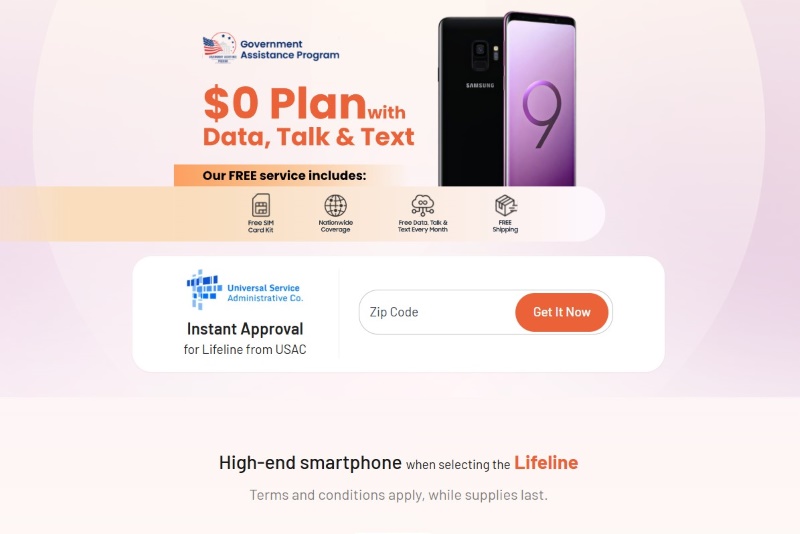
Besides, TAG Mobile participates in Lifeline and offers service options for eligible households, with available benefits depending on location and eligibility.
If TAG Mobile is an option in your area, you can check your eligibility and available plans before applying. Since hotspot access may depend on the specific plan, review the tethering terms along with the data allowance before choosing an option.
Apart from the plans, you may also review the phone and tablet models that come as exclusive offers from this licensed service carrier for qualifying customers.
Here are the steps you may take a look into:
Check your eligibility: Confirm that you qualify for Lifeline based on household income or participation in an eligible assistance program.
Enter your ZIP code: Check TAG Mobile availability in your area and see which Lifeline plans and current device offers are available.
Explore available devices: Compare any free or discounted smartphone options offered for qualifying customers in your location.
Complete your application: Provide accurate personal, residential, and household information required for enrollment.
Provide documents if required: Upload proof of income, program participation, identity, or address.
Review and submit: Double-check your application details before submitting them for eligibility approval.
Follow the next steps: Once approved and processed, follow TAG Mobile’s instructions for device delivery and service activation.
Note: Eligibility varies by state and program. Offers depend on availability and qualifications. TAG Mobile operates under the federal Lifeline Program as an Eligible Telecommunications Carrier (ETC). Service is non-transferable and limited to one service per household.
5. 5 Tips Before Applying for a Free Student Hotspot
Student internet programs can differ in data limits, device ownership, eligibility, and how long service remains active.
Before applying for a free hotspot for students, review the practical details so the program actually supports schoolwork throughout the semester.
Check who actually qualifies: Some programs require K-12 enrollment, participation in specific assistance programs, household income verification, or proof that reliable home internet is unavailable.
Review the data allowance: Free service does not always mean unlimited data. Compare monthly or annual limits with the student’s needs for virtual classes, research, video calls, and assignment uploads.
Confirm whether the device is yours to keep: School and library hotspots are often loaned rather than permanently given away. Check return deadlines, renewal rules, and replacement charges before accepting one.
Examine network coverage: Strong program benefits will not help much if the hotspot has weak reception at home. Check the provider’s coverage where the student will use the connection most often.
Read hotspot and tethering rules carefully: Lifeline phone plans may provide high-speed mobile data without including the same amount for tethering. Verify whether hotspot use is included, limited, or requires another plan before relying on a phone for regular school internet.
6. FAQs about Free Hotspots for Students
Student connectivity programs can work differently depending on the school, library, provider, and available funding. These FAQs clarify how hotspot loans work, whether service is truly free, and when a smartphone can serve as an alternative connection.
Do libraries lend free Wi-Fi hotspots?
Yes, some public and college libraries lend mobile hotspots at no cost to eligible cardholders or enrolled students. Loan periods, data limits, renewal rules, and availability vary by library, so checking local policies before relying on one for schoolwork is important.
Is a free hotspot the same as free internet?
Not always. A free hotspot may refer only to the physical device, while internet service can have separate data limits, eligibility requirements, or an expiration date. Some programs include both the hotspot and data service, but the exact terms should be confirmed first.
Can students use a phone as a hotspot instead?
Yes, if the phone, carrier, and plan support tethering. Using a smartphone can be convenient for occasional laptop or tablet access, but hotspot use may draw from a limited data allowance and can drain the phone battery more quickly.
7. Final Thoughts
Schoolwork becomes much easier when students have dependable internet beyond the classroom. A free hotspot for students may come through schools, libraries, nonprofits, or qualifying assistance programs, but data limits and eligibility can vary.
Comparing coverage, loan terms, and monthly allowances helps families choose the most practical option. For qualifying households, TAG Mobile is also worth exploring for affordable Lifeline-supported mobile service.
Share
TAG Blog
Stories, guides, and helpful updates for staying connected.