What Is the Most Popular Food in the World? 10 Global Favorites
Some dishes travel so far beyond their origins that they become part of everyday life in completely different countries. Pizza and other global staples are familiar examples, but p...
Quincy D.-Nov 11, 2026
Image by Unsplash
Table of Contents
Some dishes travel so far beyond their origins that they become part of everyday life in completely different countries. Pizza and other global staples are familiar examples, but popularity can mean different things depending on culture and global recognition.
So, what is the most popular food in the world? The answer isn’t as straightforward as it sounds, and these 10 favorites reveal why certain foods have become universally loved.
1. What Is the Most Popular Food in the World?
Pizza and rice are two strong contenders, although no single food has been officially established as the world’s most popular.
Pizza enjoys widespread international recognition thanks to its customizable toppings, convenience, and presence in restaurants worldwide.
Rice, meanwhile, is a dietary staple for billions of people, particularly across Asia.
Pizza stands out for its global restaurant appeal, while rice leads in everyday consumption across many populations.
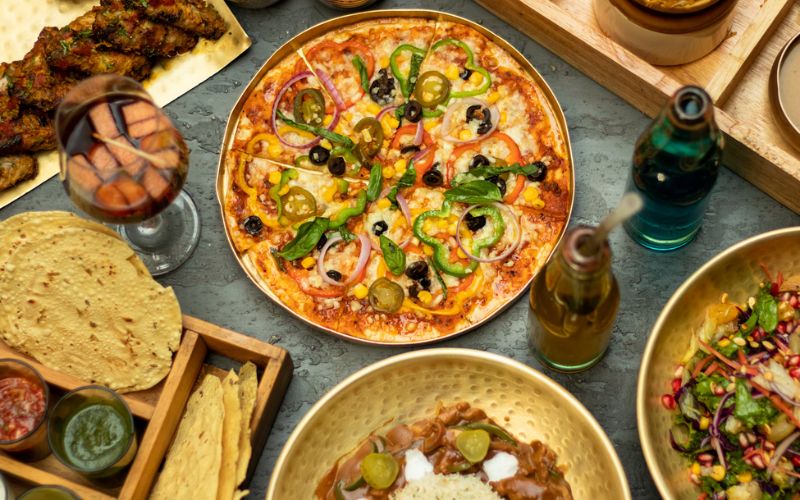
What is the most popular food in the world? Pizza and rice rank among the world’s most popular foods. (Image by Unsplash)
2. Top 10 Most Popular Foods in the World
Some foods become international favorites through restaurant chains, while others earn their place through centuries of everyday cooking.
The following 10 dishes and food staples are widely enjoyed across countries, each with its own story and lasting popularity.
Rice – A Daily Staple for Billions
Across many continents, rice forms the foundation of countless everyday meals. Its mild flavor makes it easy to pair with savory protein options and rich sauces.
Key ingredients: White, brown, or other rice varieties, depending on the dish.
Why it’s popular: Affordable, versatile, filling, and adaptable to different cuisines.
Pizza – Italy’s Global Favorite
A crispy baked crust paired with melted cheese and flavorful toppings has helped turn pizza into a worldwide favorite.
Originating from Italian culinary traditions, it now comes in countless variations, from classic Neapolitan pizza to American-style slices.
Key ingredients: Pizza dough, tomato sauce, cheese, and optional toppings.
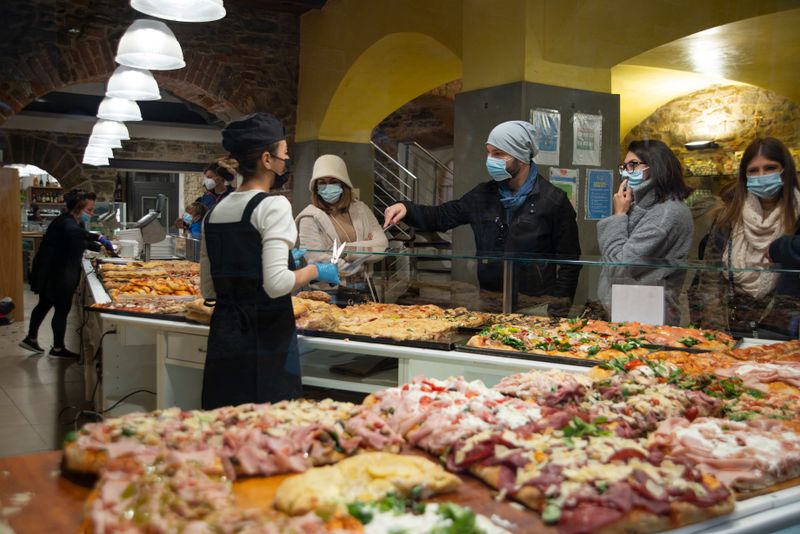
Over 5 billion pizzas are sold globally each year. (Image by Pexels)
Burgers – An Icon of Global Fast Food
Juicy patties, soft buns, and customizable toppings make burgers a familiar sight in restaurants worldwide.
For anyone asking what is the most popular fast food in the world, burgers are a strong contender thanks to their international presence and countless regional variations.
Key ingredients: Beef, chicken, or plant-based patties, buns, vegetables, and sauces.
Why it’s popular: Convenient, customizable, and widely available through fast-food chains.
Pasta – A Versatile Italian Classic
From spaghetti and penne to lasagna and fettuccine, Italian pasta has become a kitchen staple far beyond its country of origin.
Its comforting texture pairs well with everything from simple tomato sauces to creamy seafood preparations.
Key ingredients: Wheat-based pasta, sauces, vegetables, cheese, or protein.
Why it’s popular: Easy to prepare, affordable, and suitable for countless recipes.
Sushi – Japan’s Internationally Recognized Dish
Beautiful presentation and carefully balanced flavors have helped sushi gain worldwide recognition.
Japanese favorites such as nigiri, maki, and vegetarian rolls offer different combinations of seasoned rice and fresh ingredients.
Key ingredients: Seasoned sushi rice, seafood, vegetables, and nori.
Why it’s popular: Diverse varieties, distinctive presentation, and options for different dietary preferences.
Tacos – Mexican Food With Global Appeal
Soft or crispy tortillas filled with savory ingredients bring together bold flavors in a convenient handheld meal.
As people often debate what is the most popular food in the world, tacos stand out as a beloved choice rooted in Mexican culinary traditions that has inspired countless interpretations across international food scenes.
Key ingredients: Corn or flour tortillas, meat, beans, vegetables, and toppings.
Why it’s popular: Customizable fillings, portable portions, and flavorful combinations.
Fried Chicken – A Favorite Across Cultures
Golden, crispy coating and juicy meat make fried chicken a favorite in many countries. In fact, the popularity of fied chicken is reflected in nearly 22,000 U.S. locations operated by major chicken and wings fast-food concepts.
On another hand, American Southern-style chicken, Korean fried chicken, and Japanese karaage each offer distinctive seasonings and preparation methods.
Key ingredients: Chicken, seasoned flour or starch coating, spices, and cooking oil.
Small pockets of dough filled with meat, vegetables, or other ingredients appear in culinary traditions worldwide.
Chinese jiaozi, Japanese gyoza, Polish pierogi, and Nepalese momo demonstrate just how diverse dumplings can be.
While there’s no definitive answer to what is the most popular ethnic food in the world, dumplings are a strong example of a traditional dish enjoyed across different cultures.
Key ingredients: Dough wrappers, meat, vegetables, or cheese fillings.
Why it’s popular: Versatile fillings, different cooking methods, and strong cultural traditions.
Curry – A World of Regional Flavors
Aromatic spice blends and rich sauces make curry dishes comforting favorites across many cultures. Regional curry traditions each offer their own distinctive flavors.
Key ingredients: Spices, vegetables, meat or legumes, and sauces or broth.
Why it’s popular: Bold flavors, adaptable ingredients, and diverse regional recipes.
Noodles – Comfort Food Across Continents
From steaming bowls of Vietnamese pho to other iconic Asian noodle traditions, these dishes offer endless possibilities for anyone asking what is the most popular food in the world.
Diverse noodle varieties and broths make them suitable for quick meals or elaborate recipes.
Key ingredients: Wheat, rice, or other noodle varieties, broth, sauces, and toppings.
Why it’s popular: Affordable, convenient, filling, and adaptable to different culinary traditions.
3. How Do Food Preferences Differ Across the World?
Food preferences aren’t shaped by taste alone. Local ingredients and cultural practices all influence what people eat, how meals are prepared, and which dishes become everyday favorites.
Local Ingredients and Climate Shape Everyday Meals
Geography plays a major role in traditional diets. Rice thrives in many warm, wet regions of Asia, while wheat-based bread is common across parts of Europe and the Middle East.
Coastal communities often rely on seafood, while colder regions may favor hearty soups and calorie-dense dishes.
Cultural Traditions Influence Favorite Dishes
Family recipes, festivals, and regional customs help preserve food preferences across generations.
Japanese cuisine often emphasizes seasonal ingredients, presentation, and the connection between food and nature, as recognized by UNESCO’s description of Washoku.
Mexican cooking features traditional staple ingredients and classic preparation methods.
These differences help explain why asking what is the most popular food in the world doesn’t produce one universally accepted answer.
Religious Beliefs and Dietary Restrictions Affect Food Choices
Religious and cultural practices influence which ingredients people choose or avoid.
Halal and kosher dietary rules shape food preparation for many Muslim and Jewish communities, while vegetarian traditions are important in parts of India.
Such preferences also encourage restaurants and food manufacturers to adapt their menus for different populations.
Globalization Introduces New Flavors to Local Diets
International travel, migration, and global restaurant chains have made unfamiliar cuisines more accessible.
Sushi restaurants now operate far beyond Japan, while pizza and burgers have developed distinctive regional variations.
The traditional art of Neapolitan pizza-making, recognized by UNESCO, illustrates how a dish can maintain strong cultural roots even as it gains international recognition.
Local ingredients and seasonings often transform imported foods into new regional favorites.
Convenience and Lifestyle Change Eating Habits
Busy schedules, urban living, and food delivery services have changed how people choose meals.
Ready-to-eat dishes and quick-service restaurants appeal to those with limited cooking time, while growing interest in nutrition encourages some consumers to seek fresh, plant-based, or minimally processed options.
4. FAQs about Popular Food in the World
Even familiar dishes can be difficult to compare when popularity depends on consumption, cultural influence, and personal preferences.
If you’re still wondering what is the most popular food in the world, these answers offer a closer look at how different foods compare.
Is pizza more popular than burgers worldwide?
Pizza and burgers are both internationally recognized, but reliable global data doesn’t establish which one is more popular overall.
Is rice or bread more commonly eaten around the world?
Both are major global staples, but rice is especially important across much of Asia, while bread is widely consumed in Europe, the Middle East, and other regions.
The FAO highlights rice’s importance in global food consumption and nutrition. However, comparing rice and bread directly is difficult because bread includes many products, and consumption can be measured in different ways.
Which country has the most diverse food culture?
No official ranking identifies a single country with the most diverse cuisine. Countries such as India, China, Mexico, and Italy have extensive regional food traditions, while multicultural populations also contribute to culinary diversity in countries such as the United States.
Why do some foods become popular in countries far from their origins?
Trade and restaurant expansion introduce traditional dishes to new audiences. Foods that are affordable, convenient, and easy to adapt to local ingredients often gain popularity beyond their original cultures.
5. Final Thoughts
Popular food staples have earned worldwide recognition, but popularity looks different across cultures and everyday diets. So, what is the most popular food in the world?
There’s no definitive winner, but exploring these global favorites reveals just how diverse food traditions can be. With TAG Mobile, discovering international recipes, browsing restaurant menus, and finding your next favorite dish is easier on the go.
Share
TAG Blog
Stories, guides, and helpful updates for staying connected.