What Food Items Need Time and Temperature Control for Safety? [2027]
Some foods can become unsafe long before they show visible signs of spoilage. Harmful bacteria may multiply rapidly when certain ingredients are stored, prepared, or served at impr...
Quincy D.-Nov 17, 2026
Image by Unsplash
Table of Contents
Some foods can become unsafe long before they show visible signs of spoilage. Harmful bacteria may multiply rapidly when certain ingredients are stored, prepared, or served at improper temperatures. So, what food items need time and temperature control for safety, and what makes them particularly vulnerable?
Discover 15 common TCS foods, the risks associated with improper storage, and the essential temperature control practices that help prevent foodborne illness.
1. What Are TCS Foods and Why Do They Require Strict Control?
TCS (Time/Temperature Control for Safety) foods require proper temperature management to prevent harmful bacterial growth and toxin formation.
Their moisture and nutrient content can create favorable conditions for microorganisms.
According to the FDA Food Code, most TCS foods must be maintained at 41°F (5°C) or below for cold holding or 135°F (57°C) or above for hot holding.
2. What Food Items Need Time and Temperature Control for Safety? 15 Common TCS Foods
Some foods become unsafe surprisingly quickly when left at room temperature, even if their appearance and smell remain unchanged.
Understanding which ingredients require refrigeration, hot holding, or prompt cooling helps reduce bacterial growth and prevent foodborne illness.
Raw Chicken and Poultry
Raw chicken, turkey, and other poultry products can carry harmful bacteria even when they look and smell fresh.
Proper refrigeration, separation from ready-to-eat foods, and thorough cooking are essential for reducing foodborne illness risks.
Food safety risks: Salmonella, Campylobacter, and cross-contamination.
Safe temperature: Refrigerate at 40°F (4°C) or below; cook poultry to 165°F (74°C).
Handling tips: Store in sealed containers on the lowest refrigerator shelf and wash hands after handling.
Beef, Pork, and Other Meats
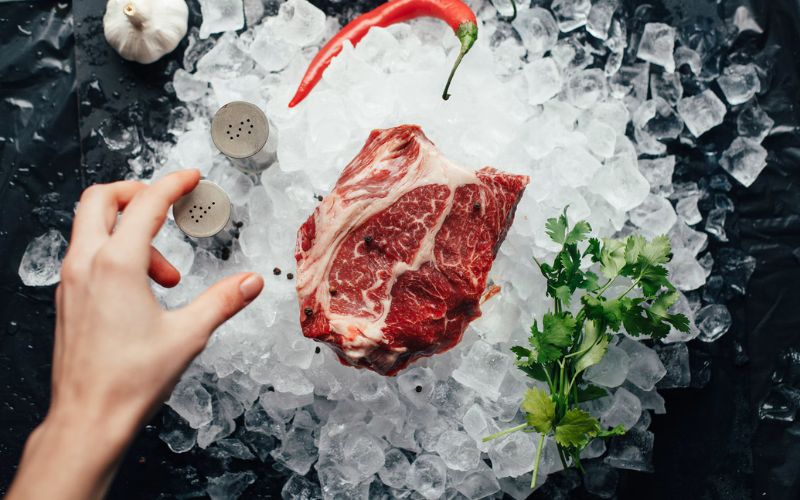
Fresh beef, pork, lamb, and ground meats require careful temperature control to prevent bacterial growth.
Ground meat presents additional concerns because grinding can distribute bacteria throughout the product, making proper cooking especially important.
Food safety risks: E. coli, Salmonella, and other harmful bacteria.
Safe temperature: Refrigerate at 40°F (4°C) or below; cook ground meats to 160°F (71°C) and whole cuts to 145°F (63°C), followed by a 3-minute rest.
Handling tips: Keep raw meat separate from other foods and refrigerate or freeze promptly.
Fish and Shellfish
Highly perishable seafood varieties can develop food safety hazards when stored improperly.
Some seafood-related toxins cannot be destroyed through ordinary cooking, making safe sourcing and temperature control particularly important.
Food safety risks: Vibrio, harmful bacteria, parasites, and certain seafood toxins.
Safe temperature: Refrigerate at 40°F (4°C) or below; cook most seafood to 145°F (63°C).
Handling tips: Purchase from reputable suppliers, avoid cross-contamination, and prepare promptly.
Milk and Dairy Products
Milk, cream, soft cheeses, and many other dairy products contain moisture and nutrients that support bacterial growth.
Although some cheeses and unopened shelf-stable dairy products have different requirements, most fresh dairy items need continuous refrigeration.
Food safety risks: Listeria, Salmonella, and other harmful bacteria.
Safe temperature: Keep perishable dairy products at 40°F (4°C) or below.
Handling tips: Follow package instructions, refrigerate after use, and discard products showing signs of spoilage.
Shell Eggs
Even clean, uncracked eggs can contain Salmonella, making proper refrigeration and cooking important.
Eggs are among the common examples of what food items need time and temperature control for safety, particularly in the United States, where commercially refrigerated shell eggs should remain chilled until preparation to reduce food safety risks.
Food safety risks: Salmonella contamination.
Safe temperature: Refrigerate at 40°F (4°C) or below; cook egg dishes to 160°F (71°C).
Handling tips: Keep eggs in their original carton and avoid using cracked or dirty eggs.
Cooked Rice
Bacillus cereus spores can survive normal rice cooking temperatures and multiply when cooked rice cools too slowly.
Some toxins produced under unsafe storage conditions may remain even after reheating, making prompt cooling essential.
Food safety risks: Bacillus cereus growth and toxin formation.
Safe temperature: Refrigerate at 40°F (4°C) or below; keep hot rice at 135°F (57°C) or above in food-service settings.
Handling tips: Divide large batches into shallow containers and refrigerate promptly.
Cooked Pasta
Moisture and starch make cooked pasta susceptible to bacterial growth when left at room temperature.
Like cooked rice, improperly cooled pasta can support Bacillus cereus, particularly when prepared in large batches.
Food safety risks: Bacillus cereus and other bacterial contamination.
Safe temperature: Refrigerate at 40°F (4°C) or below; hot-hold at 135°F (57°C) or above in food service.
Handling tips: Cool promptly in shallow containers and avoid leaving cooked pasta at room temperature for extended periods.
Cooked Beans
Black beans, kidney beans, chickpeas, and other cooked legumes contain moisture and nutrients that support microbial growth.
These are also examples of what food items need time and temperature control for safety, especially when prepared in large batches.
Deep pots of beans can cool slowly, allowing bacteria to multiply if portions are not transferred into shallow containers and refrigerated promptly.
Food safety risks: Bacterial growth during improper cooling or storage.
Safe temperature: Refrigerate at 40°F (4°C) or below; hot-hold at 135°F (57°C) or above in food service.
Handling tips: Divide large batches into smaller portions and refrigerate promptly after cooking.
Baked Potatoes
Freshly baked potatoes can become hazardous when held at unsafe temperatures, especially inside tightly wrapped aluminum foil.
Low-oxygen conditions may support Clostridium botulinum growth if potatoes are improperly stored. This makes proper cooling and refrigeration essential for preventing foodborne illness.
Food safety risks: Clostridium botulinum and other bacterial growth.
Safe temperature: Refrigerate at 40°F (4°C) or below or hot-hold at 135°F (57°C) or above.
Handling tips: Remove or loosen foil before refrigeration and avoid leaving wrapped potatoes at room temperature.
Cut Melons
Whole melons generally do not require refrigeration for safety, but slicing exposes their moist flesh to potential contamination.
Bacteria from the rind, cutting boards, or utensils can spread to the edible portions during preparation.
Food safety risks: Salmonella, Listeria, and cross-contamination.
Safe temperature: Refrigerate cut melons at 40°F (4°C) or below at home.
Handling tips: Wash the rind before cutting, use clean utensils, and refrigerate prepared portions promptly.
Cut Tomatoes
Slicing tomatoes releases juices and exposes surfaces that can support bacterial growth.
Although whole tomatoes are commonly stored at room temperature, cut tomatoes generally require refrigeration unless the prepared food meets an applicable food safety exception.
Food safety risks: Salmonella and other bacterial contamination.
Safe temperature: Refrigerate cut tomatoes at 40°F (4°C) or below at home.
Handling tips: Use clean knives and cutting boards, and refrigerate sliced tomatoes promptly.
Cut Leafy Greens
Chopped lettuce, spinach, cabbage, and other leafy greens become more vulnerable to bacterial growth after cutting damages their tissues.
These prepared vegetables are common examples of what food items need time and temperature control for safety, making proper refrigeration particularly important for prepared salads and ready-to-eat vegetable mixes.
Food safety risks: E. coli, Salmonella, and Listeria contamination.
Safe temperature: Refrigerate cut leafy greens at 40°F (4°C) or below at home.
Handling tips: Wash produce appropriately, prevent cross-contamination, and keep prepared greens refrigerated.
Raw Seed Sprouts
Warm, humid sprouting conditions can encourage bacterial growth on alfalfa, mung bean, and other seed sprouts.
Refrigeration slows bacterial multiplication but cannot reliably eliminate pathogens already present in the product.
Food safety risks: Salmonella, E. coli, and other foodborne pathogens.
Safe temperature: Refrigerate at 40°F (4°C) or below.
Handling tips: Keep sprouts chilled and cook thoroughly. Higher-risk individuals should avoid raw or lightly cooked sprouts.
Tofu and Soy Protein Products
High moisture and protein content make refrigerated tofu and many hydrated soy products susceptible to bacterial growth.
Shelf-stable tofu can remain unopened at room temperature when labeled accordingly, but refrigeration is generally necessary after opening.
Food safety risks: Bacterial contamination and spoilage.
Safe temperature: Keep perishable or opened tofu at 40°F (4°C) or below.
Handling tips: Follow package instructions, use clean utensils, and refrigerate leftovers promptly.
Prepared Salads and Ready-to-Eat Meals
Chicken salad, tuna salad, egg salad, and refrigerated prepared meals often combine several perishable ingredients.
For anyone asking what food items need time and temperature control for safety, these mixed dishes deserve particular attention because extensive handling and improper storage can increase contamination risks.
Food safety risks: Listeria, Salmonella, Staphylococcus aureus, and cross-contamination.
Safe temperature: Refrigerate at 40°F (4°C) or below; hot-hold applicable prepared meals at 135°F (57°C) or above.
Handling tips: Refrigerate promptly, use clean serving utensils, and discard perishable foods left at room temperature for more than 2 hours, or 1 hour above 90°F (32°C).
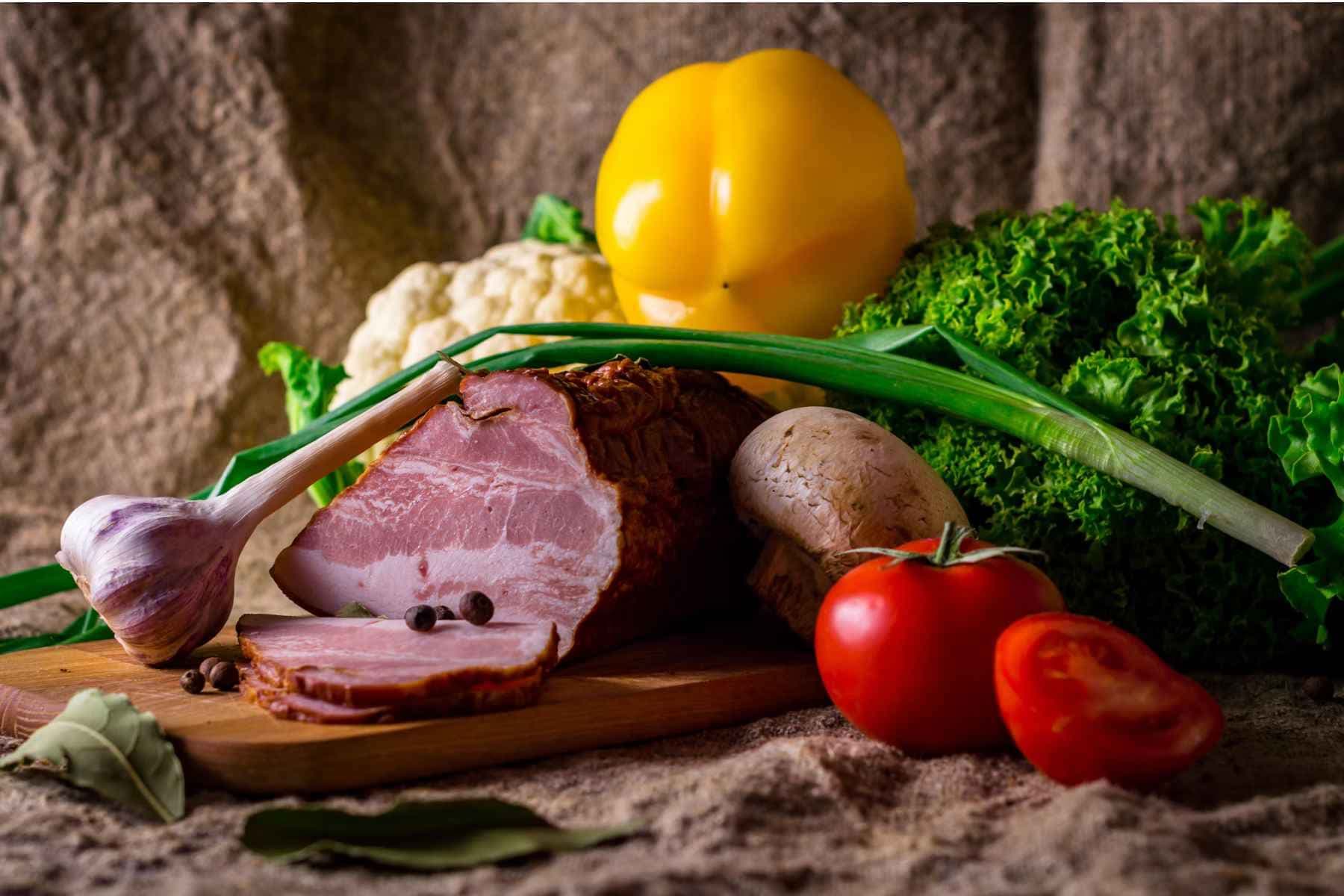
What food items need time and temperature control for safety? Identify 15 common TCS foods that require proper temperature control. (Image by Unsplash)
3. How to Prevent Foodborne Illness When Handling TCS Foods?
Keeping food safe requires more than refrigeration, as improper handling can also create opportunities for harmful bacteria to multiply.
Following essential food safety practices helps protect your meals from contamination and reduces the risk of foodborne illness.
Maintain Proper Refrigeration and Hot-Holding Temperatures
Keep refrigerated TCS foods cold and hot-held foods heated according to FDA Food Code standards.
Use a reliable food thermometer to monitor temperatures rather than relying on appearance or touch.
Cook Foods to Safe Internal Temperatures
Different foods require specific internal cooking temperatures to eliminate harmful pathogens. Whole cuts of beef, pork, and lamb should reach 145°F (63°C) with a three-minute rest.
Large portions of cooked food can remain warm for extended periods, allowing bacteria to multiply.
Under FDA Food Code guidelines, cooked TCS foods should cool from 135°F to 70°F within two hours and reach 41°F within six hours total.
Prevent Cross-Contamination During Food Preparation
Raw meat, seafood, and poultry can transfer harmful microorganisms to ready-to-eat foods through shared utensils, cutting boards, and preparation surfaces. Use separate kitchen equipment whenever possible, wash hands thoroughly, and sanitize food-contact surfaces.
Understanding what food items need time and temperature control for safety also helps identify ingredients requiring extra handling precautions.
Follow Safe Storage and Leftover Practices
Refrigerate perishable leftovers promptly after preparation according to ambient temperature guidelines.
Store food in covered, shallow containers and label leftovers with preparation dates.
Monitor Food Temperatures During Serving
Buffets, catered events, and extended family meals can expose TCS foods to unsafe temperatures.
Use appropriate hot-holding equipment, refrigerated displays, or ice baths to maintain safe conditions.
Time and temperature limits can be confusing, particularly when food moves between cooking, serving, and storage.
Beyond understanding what food items need time and temperature control for safety, these frequently asked questions clarify essential safety rules and explain how everyday ingredients can become more vulnerable to bacterial growth.
How long can TCS foods stay without temperature control?
Under the FDA Food Code, certain TCS foods may be held without temperature control under specific monitoring and discard procedures. For everyday household safety, refrigerate perishables within two hours, or one hour above 90°F (32°C).
What is the temperature danger zone for TCS foods?
The FDA Food Code generally identifies the temperature danger zone as between 41°F (5°C) and 135°F (57°C), a range that supports the growth of many harmful bacteria. USDA food safety guidance commonly uses 40°F to 140°F (4°C to 60°C), so maintaining proper refrigeration and hot-holding temperatures is essential.
Can food become TCS after cooking or cutting?
Yes, cooking or cutting can change a food’s safety requirements by increasing available moisture or exposing surfaces to contamination. Cooked rice, pasta, beans, cut melons, and cut tomatoes are common examples of foods that require time and temperature control after preparation.
5. Final Thoughts
Food safety depends on more than freshness, especially when handling ingredients that require strict temperature control.
If you’re wondering what food items need time and temperature control for safety, the answer includes many everyday staples, from raw meats and dairy products to cooked grains and prepared salads.
Proper storage and handling can help limit harmful bacterial growth and reduce foodborne illness risks. For more expert safety advice and kitchen guides, explore other informative articles from the TAG Mobile blog.
Share
TAG Blog
Stories, guides, and helpful updates for staying connected.