What Is American Food? 25 Iconic Dishes That Tell the Story
American cuisine is difficult to define with a single dish, flavor, or cooking style. The question what is American food opens a much broader story shaped by geography, history, cu...
Quincy D.-Oct 27, 2026
Image by Unsplash
Table of Contents
American cuisine is difficult to define with a single dish, flavor, or cooking style. The question what is American food opens a much broader story shaped by geography, history, cultural exchange, and generations of communities adapting recipes to new ingredients and surroundings.
Different regions developed their own culinary identities, while influences from around the world continued to reshape the table. Looking beyond the familiar favorites reveals just how varied the country’s food culture has become.
1. What Is American Food?
American cuisine is hard to wrap into a single definition because it draws from so many different cultures.
Finding an honest answer to what is an American food comes down to looking at a few simple layers:
Indigenous Foodways: Native ingredients like corn, squash, wild rice, and beans provided the foundational bedrock long before European settlement.
Immigrant Traditions: Waves of global migration introduced recipes that evolved over generations through local produce and changing tastes.
Regional Specialties: Distinct geographic conditions birthed localized classics, from Southern barbecue to New England chowders.
2. 20 Best Iconic American Foods
From backyard cookouts to regional specialties, some dishes have become closely connected with how people eat across the United States.
If you are wondering what is considered American food, these 20 classics highlight the mix of comfort food, local traditions, and cultural influences found throughout the country.
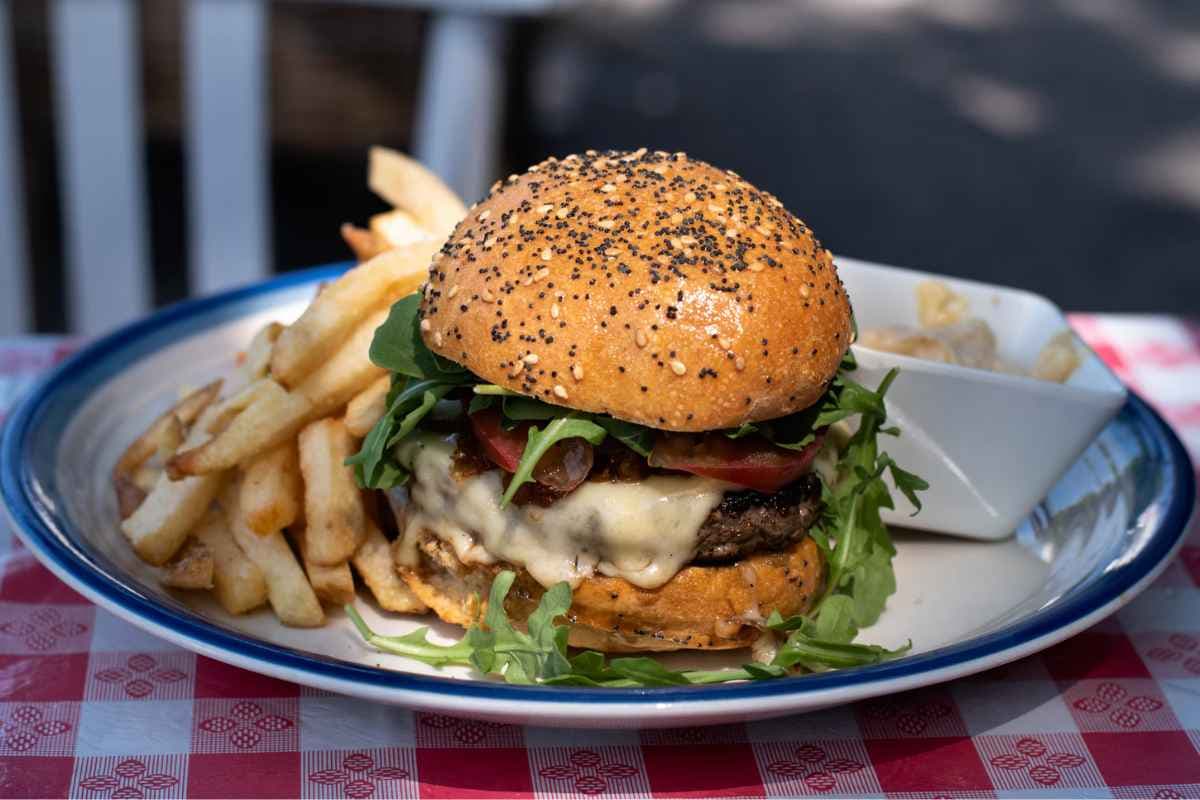
One of the most signature American food is burgers. (Image by Pexels)
Hamburger
Juicy ground beef patties tucked into soft buns with classic toppings define this diner staple.
Countless regional variations have developed over time, making it one of the most familiar classic staples.
Barbecue Ribs
Slow cooking over wood smoke gives pork or beef ribs their signature tender texture and bold flavor.
Distinct regional styles across Texas, Memphis, Kansas City, and the Carolinas offer unique dry rubs and tangy sauces.
Fried Chicken
Deep roots in Southern and African American culinary heritage make this crispy classic a national favorite. Seasoned batter seals in natural juices during frying, yielding a golden crispy shell.
Its popularity is also reflected in the restaurant industry.
Evolving from European sausage traditions, this portable favorite became deeply woven into street stand and ballpark culture.
Distinct toppings vary dramatically by region, ranging from Chicago-style relish to rich chili and sauerkraut.
Macaroni and Cheese
Creamy cheese sauce coats tender pasta in a rich dish that remains an essential holiday and everyday staple.
Preparation styles range from quick stovetop meals to baked casseroles.
Apple Pie
Adapting European baking techniques over generations turned this lattice-crusted dessert into a powerful national symbol.
Warmly seasoned apples baked inside flaky pastry crusts created a timeless national symbol.
Buffalo Wings
Deep-fried chicken wings tossed in a buttery, spicy sauce originated in Upstate New York before capturing national popularity.
Serving them alongside celery and blue cheese dressing created an unbeatable game-day snack.
Texas-Style Brisket
Slow-smoked beef seasoned with simple salt and black pepper offers a clear answer to what is american food by letting natural meat flavors shine over hardwood smoke.
Anyone searching for the most authentic regional flavor will find this tender smoked beef hard to top.
New England Clam Chowder
Fresh clams, diced potatoes, and onions simmer together in a rich dairy broth along the northeastern coast.
This creamy soup highlights coastal seafood traditions that contrast sharply with tomato-based Manhattan versions.
Biscuits and Gravy
Soft, flaky buttermilk biscuits smothered in rich, sausage-studded cream gravy power hearty Southern mornings.
Simple pantry staples combine in home kitchens and diners to create ultimate morning comfort.
Cornbread
Indigenous farming traditions provided the original cornmeal foundation long before early European settlement.
Regional preferences shape modern recipes today, stretching from savory skillet variations to sweet side dishes.
Gumbo
African, Indigenous, French, and Spanish influences blend seamlessly in Louisiana’s most famous thick stew.
Layered roux, okra, and filé powder demonstrate how multicultural history shapes local dining.
Jambalaya
Cajun and Creole cooks build intense flavor by cooking rice, aromatic vegetables, and meats directly in a single pot.
Absorbing the savory juices of sausage, chicken, or seafood creates a robust one-pot dish.
Philly Cheesesteak
Thinly sliced beef griddled with onions and melted cheese fills a long, crusty roll in Philadelphia’s signature creation.
Simple preparation and bold flavors created an enduring street-food icon.
Lobster Roll
Sweet chunks of fresh lobster meat served in split-top egg buns celebrate New England’s maritime heritage.
Diners choose between chilled lobster salad or warm meat drenched in butter.
Po’ Boy
Crisp French bread loaded with fried seafood or slow-roasted beef forms Louisiana’s most famous sandwich.
Ordering one “dressed” adds lettuce, tomato, pickles, and mayonnaise for a satisfying crunch.
Chili
Spicy peppers, ground meat, and aromatic spices simmer together in a hearty dish that inspires fierce regional debates.
Texas purists insist on meat and chiles alone, while other traditions prominently feature beans.
Meatloaf
Transforming basic ground beef and simple binders into a comforting baked loaf sustained families for generations.
A sweet, tangy tomato glaze seals in moisture, securing its permanent weeknight place.
Chocolate Chip Cookies
Creating this sweet treat in Massachusetts during the 1930s sparked a nationwide baking phenomenon.
Folding chocolate morsels into rich dough produces soft, chewy treats.
S’mores
Toasted marshmallows and melted chocolate sandwiched between crisp graham crackers anchor American camping lore.
Gathering around a campfire to assemble them creates a nostalgic summer tradition.
What is American food? 20 iconic American foods from regional specialties and comfort classics to cookout favorites. (Image by Unsplash)
3. 6 Common Myths About American Food
Popular images of burgers, fries, and oversized meals tell only a small part of the country’s culinary story.
Looking more closely at what is American food reveals regional cooking, Indigenous traditions, immigrant influences, and local specialties that challenge many familiar assumptions.
American Food Is Just Fast Food
Fast-food chains may be highly visible worldwide, but they represent only one part of U.S. food culture.
Fast-food favorites represent only a tiny fraction of American cooking. Indigenous heritage, Louisiana Cajun flavors, and New England seafood traditions illustrate a deeply diverse culinary landscape.
American Food Has No Real History
Centuries of migration, agriculture, cultural exchange, and regional development have shaped dishes eaten across the United States today.
Indigenous ingredients such as corn influenced early food traditions, while later communities introduced new recipes and techniques.
All American Food Is Unhealthy
Rich desserts, fried dishes, and processed foods are only part of the picture. U.S. cooking also includes grilled seafood, beans, vegetables, whole grains, soups, salads, and other nutrient-dense choices.
Nutritional value ultimately depends on ingredients, preparation methods, portions, and eating patterns rather than a dish simply being classified as American.
American Cuisine Is the Same Everywhere
Regional differences are one of the defining features of food culture across the United States.
New England is famous for clam chowder, Louisiana for gumbo, and Texas for smoked brisket, while other areas have their own specialties.
Foods With Foreign Origins Cannot Be American
Immigrant communities have played a central role in shaping the way the United States eats, which makes cultural adaptation essential to understanding what is American food today.
Recipes brought from other countries often evolved as cooks adapted ingredients, techniques, and flavors to new surroundings.
Over generations, many of these dishes developed distinctly American forms while still reflecting the culinary traditions that originally inspired them.
There Is One Dish That Represents All American Food
Choosing one dish to represent the entire country overlooks its enormous regional and cultural diversity.
Hamburgers, barbecue, fried chicken, and apple pie may all feel distinctly American, yet each tells a different story.
Questions about what is American food often come down to tradition, cultural origins, and how familiar dishes developed over time.
The answers are rarely limited to a few iconic meals, since American cuisine reflects regional differences and generations of cultural influence.
What is a traditional American dinner?
There is no single traditional American dinner because meals vary by region, family, and cultural background.
Familiar examples include meatloaf with mashed potatoes, roast chicken with vegetables, barbecue with regional sides, or dishes connected to a family’s own cultural traditions.
Which American foods have immigrant origins?
Many foods now associated with the United States were influenced by immigrant communities, including hamburgers, hot dogs, pizza, bagels, and numerous regional specialties.
Over generations, these foods were adapted to local ingredients, tastes, and dining habits, producing versions that became part of American food culture.
Are hamburgers actually American?
Hamburgers have connections to European minced-beef traditions, particularly Hamburg-style beef, but the modern hamburger served as a patty inside a bun developed and became widely popular in the United States.
5. Final Thoughts
Barbecue, gumbo, burgers, and chocolate chip cookies each reveal a different side of what is American food.
Together, these dishes reflect Indigenous roots, regional identities, immigrant influences, and traditions shaped across generations. That diversity is what makes the country’s food culture so distinctive.
For more practical tips on mobile devices, daily connectivity, and support on various life aspects, make sure to stay connected with TAG Mobile.