What Is Matcha Made Of? From Tea Leaf to Green Powder
Matcha may look like a simple green powder, but there is much more behind its vivid color, rich taste, and smooth texture. The answer to what is matcha made of involves a carefully...
Quincy D.-Sep 30, 2026
Image by Unsplash
Table of Contents
Matcha may look like a simple green powder, but there is much more behind its vivid color, rich taste, and smooth texture.
The answer to what is matcha made of involves a carefully controlled journey from the tea field to the final powder, with each stage influencing what ends up in your cup. This guide takes a closer look at that process, along with what separates pure matcha from many products on store shelves.
1. What Is Matcha Made Of?
What is matcha made of? Matcha is made from specially cultivated and processed green tea leaves of the Camellia sinensis plant, specifically leaves grown and processed for powdered tea production.
More specifically, traditional Japanese matcha is produced by finely grinding tencha, rather than simply pulverizing ordinary green tea leaves. Before harvest, the tea plants are shaded for a period of time, a cultivation method that affects compounds such as chlorophyll and theanine and contributes to matcha’s characteristic green color and flavor.
After harvesting, the leaves are steamed to limit oxidation and then dried without being rolled. During tencha processing, stems and larger leaf veins are removed before the remaining leaf material is ground into a very fine powder.
If you are wondering what is matcha powder made of, this distinction is important: authentic matcha is made from processed tencha, whereas ordinary powdered green tea may be produced differently and should not automatically be considered matcha.
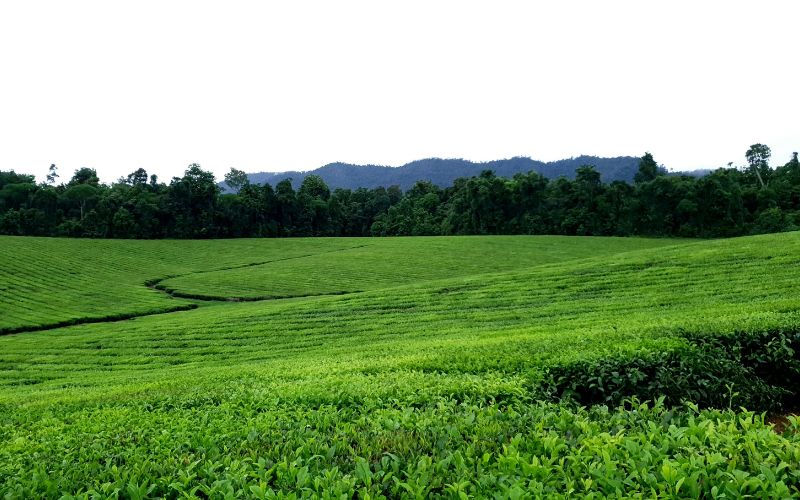
Matcha is made by finely grinding shade-grown tencha leaves from the Camellia sinensis plant. (Image by Unsplash)
2. How Are Matcha Leaves Processed From Field to Tin?
Matcha production follows a careful sequence designed to preserve color, aroma, and flavor while preparing the leaves for grinding. Each stage changes the harvested tea gradually, turning fresh leaves into the smooth green powder used in traditional tea and modern drinks.
Step 1: Shade the Tea Plants Before Harvest
Tea plants are shaded for several weeks before harvest to reduce direct sunlight. This encourages more chlorophyll and amino acid development, helping create matcha’s vivid green color and characteristic umami taste. This growing method is a key part of understanding what is matcha made out of.
Step 2: Harvest the Tea Leaves
Tender young leaves are selected during harvest because they generally provide a smoother texture and more delicate flavor. Higher-grade matcha often uses carefully picked spring leaves, although harvesting methods can vary between producers. Quality at this stage strongly influences the final powder.
Step 3: Steam the Leaves
Freshly harvested leaves are steamed soon after picking to stop oxidation. This brief heat treatment helps preserve their green color and fresh vegetal character while preventing the leaves from developing the darker flavors associated with oxidized teas.
Step 4: Dry and Process the Leaves Into Tencha
After steaming, the leaves are dried without being rolled into the shapes used for many other green teas. Once fully dried and processed, they become tencha, the base material used specifically for producing matcha.
Step 5: Remove Stems and Veins
Producers remove tougher stems and leaf veins from the dried tencha before grinding. This refinement helps create a smoother powder with less bitterness and a finer mouthfeel, leaving mostly the softer leaf material for the final processing stage.
Step 6: Grind Tencha Into an Ultra-Fine Powder
Tencha is slowly ground into an extremely fine powder, traditionally with granite stone mills. For anyone asking matcha what is it made of, this final step explains the answer clearly: matcha is finely ground, carefully processed tencha rather than ordinary green tea leaves pulverized into powder.
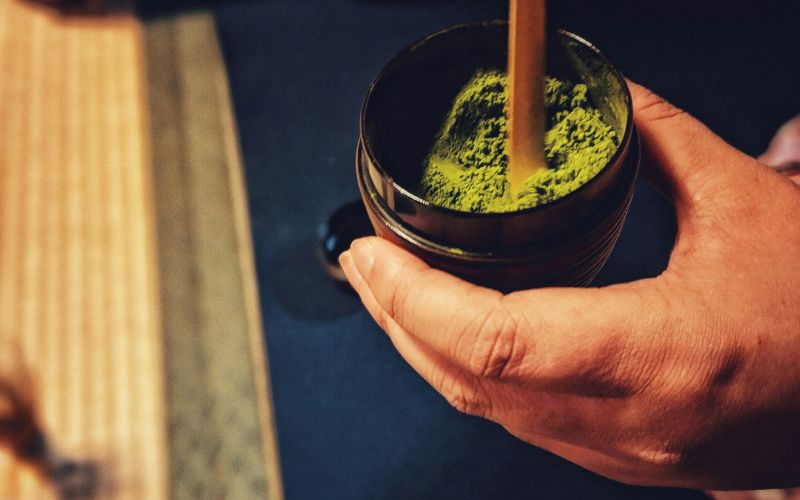
Follow matcha leaves from careful harvesting and processing to the finely ground green powder. (Image by Unsplash)
3. How to Choose High-Quality Matcha?
Quality matcha should look, smell, and taste noticeably fresher than dull or overly bitter powder. Once you know what is matcha made of, checking color, origin, texture, packaging, and labeling becomes much easier.
Look for a vibrant green color: Bright jade or emerald tones usually indicate fresher leaves and careful processing, while yellowish or brownish powder may be older or lower quality.
Check the ingredient list: Pure matcha should contain only finely ground green tea, without sugar, milk powder, flavorings, or fillers.
Review the origin: Japanese matcha from established tea-growing regions is often a stronger choice when authenticity and traditional processing matter.
Examine the texture: High-quality matcha should feel extremely fine and silky rather than coarse, gritty, or sandy.
Check packaging: Opaque, airtight tins or pouches help protect the powder from light, air, heat, and moisture.
Smell before using: Fresh matcha should have a clean, grassy, slightly sweet aroma rather than a flat, stale, or musty scent.
Match the grade to the use: Smoother matcha works well for drinking with water, while more robust culinary options can suit lattes, baking, and desserts.
4. What Is the Difference Between Pure Matcha and Pre-Mixed Matcha Blends?
Pure matcha and pre-mixed blends can look similar in the package, but their ingredients and intended uses are quite different. Checking the label helps you know whether you are buying straight tea powder or a flavored product designed for convenience.
Ingredient labels can make matcha seem more complicated than it really is. Once you understand what is matcha made of, it becomes easier to separate pure tea powder from sweetened mixes, latte blends, and flavored products.
Is matcha made from the whole tea leaf?
Yes. Matcha is made by grinding processed tencha leaves into a fine powder, so you consume the leaf material itself rather than steeping and discarding it like regular tea. Stems and tougher veins are typically removed before grinding.
Does matcha contain added sugar?
Pure matcha does not contain added sugar. Sweetened matcha mixes and instant latte powders often do, so checking the ingredient list is important if you want 100% tea powder.
Does matcha contain added ingredients?
Pure matcha should contain only finely ground green tea. Pre-mixed products may include milk powder, creamer, sweeteners, flavorings, or other ingredients designed to make quick drinks easier to prepare.
What is matcha latte made of?
A matcha latte is usually made from matcha powder, milk or a plant-based alternative, and optional sweetener. Some café versions may also include flavored syrups, vanilla, or other additions depending on the recipe.
Final Thoughts
Matcha begins with carefully grown tea leaves, but the journey from shaded plants to vibrant green powder involves several precise steps. Once you understand what is matcha made of, it becomes easier to recognize pure matcha and distinguish it from sweetened or blended products. Pay attention to ingredients, origin, freshness, and packaging when you shop.
Share
TAG Blog
Stories, guides, and helpful updates for staying connected.