How to Prepare for a Phone Interview: A Complete Success Guide
Phone interviews often move quickly, so strong preparation can help you sound focused, professional, and ready for the role. Learning how to prepare for a phone interview means rev...
Quincy D.-Aug 01, 2026
Image by Unsplash
Table of Contents
Phone interviews often move quickly, so strong preparation can help you sound focused, professional, and ready for the role. Learning how to prepare for a phone interview means reviewing the job description, researching the company, practicing concise responses, and creating a quiet setup before the call begins.
1. How to Prepare for a Phone Interview with a recruiter
Recruiter calls are often used to confirm your background, interest, availability, and fit before moving you to the next stage. Preparation should make your answers clear and focused without making the conversation sound rehearsed.
Research the Company
Spend time reviewing the company’s website, recent announcements, products, services, and overall mission before the call. Knowing what the organization does helps you explain why the role interests you and connect your experience to its needs.
You do not need to memorize every detail, but understanding the company’s direction, industry, and basic culture can make your answers more relevant and help you ask stronger questions when the recruiter gives you an opportunity.
Review the Job Description
Read the job description carefully and highlight the skills, responsibilities, and qualifications that appear most important. Compare those requirements with your own experience so you can quickly identify examples that demonstrate a strong match.
When learning how to prepare for a phone interview, this step is especially useful because recruiters often ask whether you have specific experience, tools, certifications, or responsibilities listed in the posting before deciding whether to advance your application.
Prepare Talking Points
Create a short list of points you want to communicate clearly, including your current role, relevant experience, key achievements, career goals, and reasons for considering the opportunity.
Keep each point concise so you can expand naturally when the recruiter asks follow-up questions. It also helps to prepare a brief answer to “Tell me about yourself” and a clear explanation of why you are interested in the position without repeating your resume word for word.
Organize Your Notes
Keep your resume, the job description, company notes, and a few questions within easy reach during the interview. Arrange the information so you can glance at it quickly without pausing for long periods or shuffling through papers.
Write down only key phrases rather than complete scripted answers, since reading directly from notes can make your voice sound unnatural. Leave some space to record important details about the role, hiring process, or next steps during the call.
Prepare for a 15-minute phone interview with simple strategies to stay confident and make a strong first impression. (Image by Unsplash)
2. How to Prepare for a 15 Minute Phone Interview
Short phone interviews are designed to quickly confirm whether your experience, expectations, and availability align with the role. Recruiters usually focus on a few essential questions before deciding whether to move your application to a longer interview.
Because time is limited, learning how to prepare for a phone screen interview means keeping answers concise and relevant. Prepare a brief introduction, review the key job requirements, choose two or three achievements to mention, and keep your resume nearby. Clear responses of one or two minutes help the conversation stay focused while leaving time for next steps.
3. Phone Interview Mistakes That Can Cost You the Next Round
Small mistakes can have a bigger impact during a phone interview because recruiters rely heavily on your voice, answers, and preparation. Avoiding a few common problems can help you sound more professional and focused.
Giving Answers That Are Too Long
Overly detailed responses can make a short screening call feel unfocused and leave less time for important questions. Keep answers concise, lead with the main point, and add only the details that directly support your experience, qualifications, or interest in the role.
Taking the Call in a Noisy Place
Background noise, interruptions, or poor reception can make communication difficult and create an unprofessional impression. Choose a quiet location, test your signal, silence notifications, and keep distractions away so the recruiter can hear you clearly throughout the conversation.
Sounding Unprepared for Basic Questions
Recruiters often ask about your background, current role, availability, and interest in the position. Learning how to prepare for a phone screening interview includes reviewing these topics beforehand so your answers sound confident, relevant, and natural instead of hesitant or improvised.
4. A Good Phone Can Help You Focus on the Conversation
A stable connection and clear audio can make a big difference when you’re waiting on an important recruiter call. Avoiding dropped signals or weak coverage helps you stay focused and present during conversations that matter.
That’s where choosing the right wireless provider becomes important.
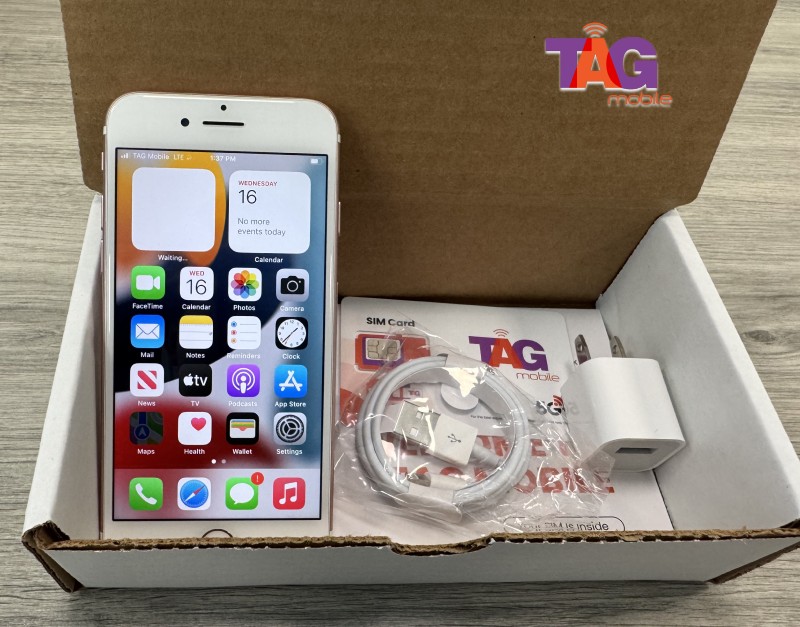
TAG Mobile, a U.S.-based carrier headquartered in Houston, Texas, is a licensed Lifeline provider serving eligible customers in participating areas. Its Lifeline plans combine supported monthly service with practical features, flexible device options, and no long-term contracts, giving qualifying consumers a more reliable way to stay connected when it counts.
Current plan benefits can support both important calls and everyday mobile needs. Exact offers vary by state, but several features stand out:
Up to 16GB of data on qualifying Lifeline plans, with plan availability varying by state.
Unlimited talk and text for everyday communication.
Free international calling to more than 200 countries and territories.
Free shipping and access to free or discounted phone options for eligible customers, subject to availability.
Nationwide 5G+ and 4G LTE coverage where available.
Free SIM kit or eSIM for compatible devices.
Wi-Fi Calling on supported devices and compatible networks.
Caller ID, Call Waiting, 3-Way Calling, and Voicemail included.
Bring Your Own Phone (BYOD) support for eligible unlocked devices.
Lifeline is a federal benefit that helps eligible low-income consumers afford qualifying phone service. Consumers can generally qualify through either income or participation in an approved assistance program, with eligibility rules varying in some states.
Income-based qualification: Household income is at or below 135% of the Federal Poverty Guidelines.
Program-based qualification: Participation in programs such as SNAP, Medicaid, SSI, Federal Public Housing Assistance, Veterans Pension or Survivors Benefit, or certain other qualifying programs.
A device (free or discounted) along with a data plan through TAG Mobile guarantees to elevate your daily life.
Note: Eligibility varies by state and program. Offers depend on availability and qualifications. TAG Mobile operates under the federal Lifeline Program as an Eligible Telecommunications Carrier (ETC). Service is non-transferable and limited to one service per household.
5. Frequently Asked Questions About Phone Interviews
Phone interviews are usually more concise than in-person interviews, but they still require clear communication and thoughtful preparation. Knowing what to expect can help you manage the conversation smoothly and avoid unnecessary pressure.
How long do phone interviews usually last?
Most phone interviews last about 15 to 30 minutes, although some can run longer depending on the role and interviewer. Initial recruiter screens are often shorter, while more detailed conversations with hiring managers may take closer to 30 minutes or more.
Should you keep notes in front of you?
Yes, keeping brief notes nearby can be helpful, especially when reviewing how to prepare for a phone interview. Use short bullet points for achievements, questions, and job details rather than full scripts, so your answers still sound natural and conversational.
Is it okay to pause before answering?
Yes, a short pause is perfectly acceptable and can help you organize your thoughts before responding. Taking a moment to think often leads to a clearer answer than rushing into a response that feels incomplete or unfocused.
Final Words
Strong preparation can make a recruiter call feel more focused, professional, and manageable from the first question. Knowing how to prepare for a phone interview includes researching the role, organizing notes, practicing concise answers, and choosing a quiet setting. Clear mobile access also matters during important calls, and eligible consumers can explore Lifeline-supported wireless service options through TAG Mobile.
Share
TAG Blog
Stories, guides, and helpful updates for staying connected.