12 Best Board Games for Families: Top Games for Every Game Night
A great family game night needs more than a box everyone can technically play. The best board games for families should be easy enough to learn, interesting enough to replay, and f...
Quincy D.-Oct 01, 2026
Image by Unsplash
Table of Contents
A great family game night needs more than a box everyone can technically play. The best board games for families should be easy enough to learn, interesting enough to replay, and flexible enough for different ages and group sizes.
Whether your family enjoys teamwork, strategy, word challenges, or a little friendly chaos, this guide brings together options for different moods, skill levels, and amounts of time.
1. What Are the Best Board Games for Families?
Family game nights become more memorable when every player feels included and entertained. So, let’s explore below twelve picks with strategy, creativity, laughter, and fun across generations.
Ticket to Ride
Ticket to Ride transforms railway planning into an accessible strategy game for different generations. Players collect matching cards, claim routes, and connect destinations across a colorful map. Simple turn mechanics help newcomers begin quickly, while limited routes and secret tickets create enough competition to keep experienced players invested until the final score.
Azul
Azul challenges players to draft vibrant tiles and arrange them into carefully planned wall patterns. Every choice can improve your design while limiting an opponent’s options, giving the game’s surprising strategic depth. Elegant components, manageable rules, and satisfying scoring also give it the polished feel families may seek when exploring the best new board games for families for a visually engaging game night.
Sushi Go!
Sushi Go! delivers a lively card-drafting experience in a compact, family-friendly format. Players select sushi cards, reveal their choices, and pass the remaining hand while building valuable combinations. Adorable illustrations, simultaneous play, and short rounds keep downtime minimal, making it ideal for quick games before dinner or between longer activities.
Qwirkle
Qwirkle combines color and shape recognition with clever tile placement. Players build intersecting lines by matching one shared feature, earning additional points for completing six-tile combinations. Since reading is unnecessary, younger children can participate confidently, while tactical placement and scoring opportunities provide enough depth to entertain adults throughout repeated sessions.
Codenames
Codenames turns word association into an energetic team challenge. Spymasters provide one-word clues that connect multiple hidden agents, while teammates discuss possible answers and avoid dangerous cards. Creative reasoning often produces hilarious disagreements, making the game especially entertaining for larger families whose members enjoy language, conversation, and collaborative problem-solving.
Carcassonne
Carcassonne invites players to build a medieval landscape one tile at a time. Roads, cities, monasteries, and fields gradually connect as players place meeples to claim points. Its evolving tabletop landscape can also appeal to people searching for the best handmade board games for families, especially those drawn to tactile pieces and games that create a different visual layout with every session.
Wavelength
Wavelength tests how well family members understand one another’s thinking. Teams try to locate a hidden target between opposite concepts after receiving a creative clue from one player. Debates over where each clue belongs generate laughter and conversation, allowing personality and interpretation to matter more than traditional gaming experience or tactical skill.
Ghost Fightin’ Treasure Hunters
Ghost Fightin’ Treasure Hunters places everyone on the same team inside a rapidly filling haunted house. Players must recover treasure, manage spreading ghosts, and escape before the situation becomes unmanageable. Clear objectives, playful suspense, and genuine cooperation make it particularly appealing to families with younger children who prefer shared victories over direct competition.
Bärenpark turns park design into an engaging spatial puzzle. Players select differently shaped habitat tiles and fit them onto personal boards while covering symbols, earning bonuses, and expanding their grounds. Quick turns maintain a comfortable pace, yet scarce pieces and placement decisions reward families who enjoy planning several moves ahead without overly complex rules.
Wingspan
Wingspan lets players develop thriving wildlife preserves across forest, grassland, and wetland habitats. Each bird introduces abilities that can generate food, eggs, cards, or points, encouraging rewarding combinations. Detailed illustrations and fascinating bird facts enhance the experience, although its layered mechanics are best suited to older children and strategy-minded adults.
Exploding Kittens
Exploding Kittens blends unpredictable card draws with humorous tactics and playful sabotage. Players use action cards to skip turns, redirect danger, or avoid elimination while trying to outlast everyone else. Brief rounds and ridiculous artwork suit casual gatherings, though families with younger children should consider whether player elimination might cause frustration during longer games.
Rummikub
Rummikub combines number skills, pattern recognition, and flexible problem-solving. Players form consecutive runs or matching-number groups, then reorganize existing combinations to create new opportunities. Constantly changing arrangements encourage careful observation, while familiar rummy-style rules make the game approachable for children, parents, and grandparents around the same table.
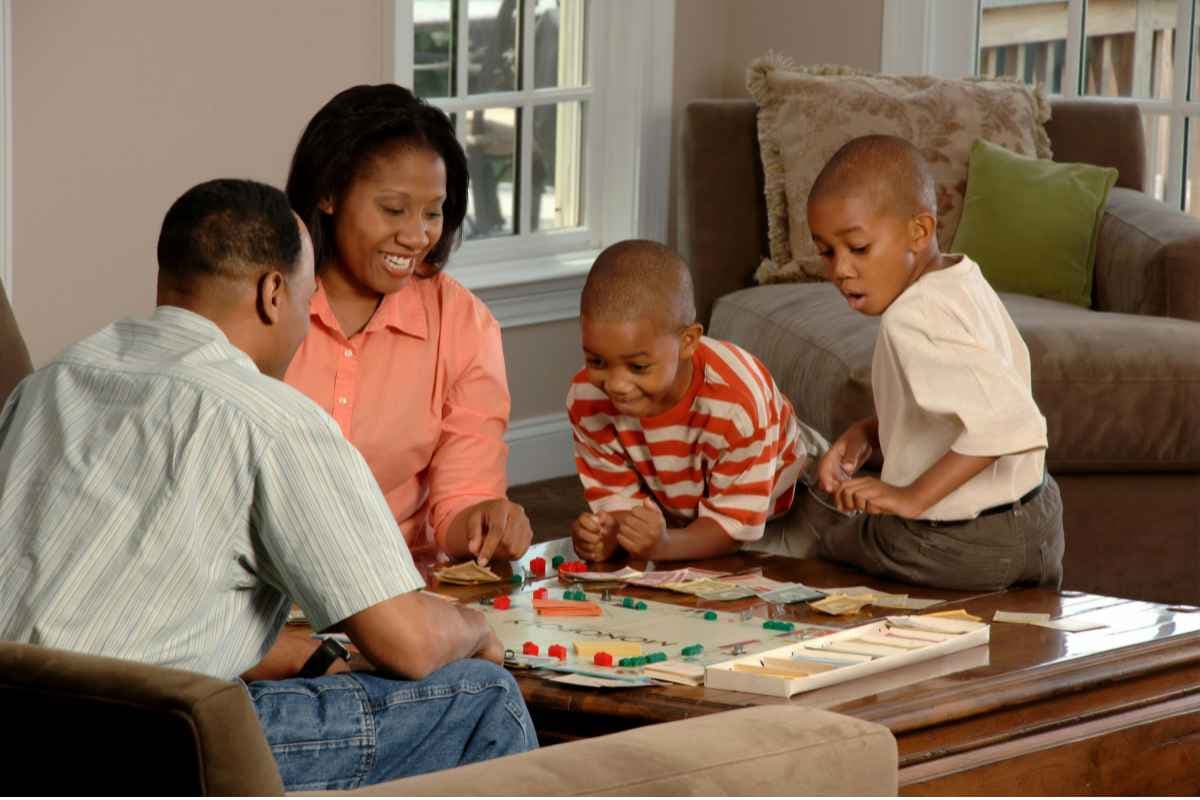
Choose a family board game based on player ages, group size, difficulty, and attention spans. (Image by Unsplash)
2. How to Choose a Family Board Game Based on Player Ages and Group Size
Successful game nights begin with a title that matches everyone’s abilities, attention spans, and preferred level of challenge. Consider the following factors when comparing the best board games for families for your household or gathering.
Match the Game to the Youngest Player
Check the recommended age range, reading requirements, and skills needed before buying. Younger children usually enjoy clear objectives, colorful pieces, and limited text, while teenagers may prefer deeper strategy. Selecting a game the youngest participant can understand helps everyone contribute without requiring constant assistance from adults.
Consider the Number of Players
Review both the minimum and maximum player counts because some games perform better with particular group sizes. Smaller groups may enjoy strategic titles with individual turns, while larger gatherings often benefit from team-based formats.
The best cooperative board games for families can be especially useful when players of different ages want to collaborate toward a common goal. Flexible games also provide better value when attendance changes between family game nights.
Check the Rules and Complexity
Look for rules that fit the group’s gaming experience and patience. Casual players may prefer titles that can be explained within several minutes, whereas experienced families might welcome layered mechanics and long-term planning. Complexity should create enjoyable decisions without making younger or less experienced participants feel confused or excluded.
Estimate the Playing Time
Match the expected duration to your family’s schedule and attention span. Short card games work well on busy evenings, while longer strategy games suit relaxed weekends. Remember that first sessions often take longer because players need time to learn the rules, ask questions, and become comfortable with each turn.
Consider Interests and Play Styles
Themes can strongly influence whether family members remain interested. Animal lovers may enjoy Wingspan, creative thinkers might prefer Codenames, and puzzle fans could appreciate Azul or Bärenpark. Consider whether your group enjoys direct competition, quiet planning, lively conversation, or teamwork before selecting a game everyone will request again.
3. FAQs about the Best Board Games for Families
Playtime, competition style, and component quality can determine whether a game becomes a household favorite. These answers will help you compare the best board games for families according to your players’ needs and preferences.
How Long Should a Family Board Game Take to Play?
Most family board games work well when sessions last between 20 and 60 minutes. Younger children often prefer shorter rounds, while teenagers and adults may enjoy longer games when the strategy remains engaging and turns move at a comfortable pace.
Are Cooperative or Competitive Board Games Better for Families?
Neither style is universally better because the right choice depends on how family members respond to winning and losing. Cooperative games encourage communication and shared problem-solving, while competitive games can develop strategic thinking and friendly sportsmanship when everyone handles competition positively.
Are Handmade Board Games Good for Younger Children?
Handmade board games can be excellent for younger children when they use durable, non-toxic materials and pieces that are too large to swallow. Simple rules, clear images, smooth edges, and age-appropriate challenges should matter more than decorative details when evaluating safety and playability.
Final Thoughts
Memorable game nights depend on matching playtime, difficulty, theme, and group size to everyone at the table. The best board games for families encourage conversation, shared laughter, and meaningful interaction across generations.
TAG Mobile can help households stay connected while discovering fresh entertainment ideas online. Select an accessible game, explain the rules clearly, and let each session create traditions worth repeating.
Share
TAG Blog
Stories, guides, and helpful updates for staying connected.