How to Fix Frizzy Hair: Simple Solutions That Really Work
Humidity, dryness, heat styling, and rough handling can all leave hair looking puffy or difficult to manage. Learning how to fix frizzy hair starts with restoring moisture, reducin...
Quincy D.-Aug 01, 2026
Image by Unsplash
Table of Contents
Humidity, dryness, heat styling, and rough handling can all leave hair looking puffy or difficult to manage. Learning how to fix frizzy hair starts with restoring moisture, reducing friction, and choosing gentler styling habits that protect the hair cuticle.
Simple changes such as using suitable products, limiting excessive heat, and drying hair carefully can make strands feel smoother, softer, and easier to control throughout the day.
1. Find the Cause of Frizz Before You Try to Fix It
Frizz can come from dryness, humidity, damage, friction, or natural texture, so identifying the main trigger helps you choose a more effective solution.
Dryness: Lack of moisture can leave the cuticle rough and strands puffy. Use gentler shampoo and richer conditioning.
Humidity: Porous hair may absorb moisture from the air and swell. Anti-humidity products and leave-in conditioners can help.
Heat damage: Frequent blow-drying or hot tools can weaken the cuticle. When learning how to fix frizzy hair, reduce heat and use protection.
Chemical processing: Bleaching and coloring can increase porosity. Space out treatments and focus on conditioning.
Friction: Rough towels and aggressive brushing can create flyaways. Choose microfiber towels and gentle detangling.
Overwashing: Frequent shampooing may strip natural oils and increase dryness.
Natural texture: Curly and wavy hair may frizz more easily, so moisture and definition should be the priority.
2. How to Fix Frizzy Hair for Different Hair Situations
Hair texture, moisture balance, and styling habits all influence how strands respond to care. Tailoring the routine to each specific situation can improve smoothness, manageability, and overall appearance.
How to Fix Frizzy Curly Hair
Curly hair often frizzes when it lacks moisture, experiences too much friction, or loses definition while drying. Use a moisturizing shampoo and conditioner, apply leave-in conditioner to damp hair, then add a curl cream or gel to help define the natural pattern and reduce puffiness.
Avoid brushing curls when dry because that can separate strands and disturb their shape. A microfiber towel, cotton T-shirt, or diffuser on low heat can help minimize friction, while a light refresh spray between washes can restore softness and definition.
Hair texture, moisture balance, and styling habits all influence how strands respond to care. (Image by Unsplash)
How to Fix Dry Frizzy Hair
Dry, frizzy hair usually needs more moisture and less stripping from harsh cleansing or excessive heat. Choose a gentle shampoo, condition thoroughly, and add a weekly deep-conditioning treatment when the hair feels rough, brittle, or difficult to manage.
Leave-in conditioner, lightweight oils, or smoothing serums can help reduce moisture loss and improve softness. Limiting hot water, frequent washing, and repeated heat styling can also support smoother texture, while regular trims help remove damaged ends that make frizz look more noticeable.
How to Fix Frizzy Hair after Blow Drying
Frizz after blow-drying often comes from excessive heat, rough handling, or directing airflow against the hair cuticle. Apply a heat protectant first, use a moderate temperature, and point the dryer downward from roots to ends with a nozzle attachment for better control.
Avoid repeatedly drying sections that are already dry, since extra heat can increase roughness and dehydration. Finish with cool air to help smooth the surface, then apply a small amount of serum or lightweight oil through the lengths and ends to reduce flyaways.
How to Fix a Frizzy Human Hair Wig
Human hair wigs can become frizzy because of dryness, friction, product buildup, or repeated use of hot styling tools. Detangle gently from the ends upward with a wide-tooth comb, then wash with a mild shampoo and follow with a moisturizing conditioner.
Let the wig air-dry on a stand whenever possible and use heat sparingly with a protectant. A small amount of leave-in conditioner or smoothing serum can help control frizz, but avoid applying heavy products near the cap or roots because buildup can affect movement and appearance.
3. Hair Care Habits That Prevent Future Frizz
Daily habits can make a noticeable difference in how smooth and manageable your hair looks over time. Adjusting the way you sleep, wash, protect, and detangle can help reduce recurring puffiness while supporting healthier-looking strands.
Sleep on Silk or Satin
Cotton pillowcases can create friction while you move during sleep, leaving the hair surface rougher by morning. Silk or satin pillowcases reduce that friction, helping strands stay smoother and limiting tangles, breakage, and flyaways, especially for curly, dry, or chemically treated hair.
Avoid Overwashing
Frequent shampooing can strip away natural oils that help keep hair soft and manageable. Washing less often, when appropriate for your scalp and hair type, and choosing a gentler cleanser can support better moisture balance and make frizz easier to control between wash days.
Protect Hair From Humidity
Humid air can cause porous hair to absorb moisture and swell, leading to uneven texture and frizz. When learning how to fix frizzy hair, using leave-in conditioner, smoothing serum, or anti-humidity styling products can help create a barrier that limits moisture exchange.
Choose the Right Brush
The wrong brush can increase friction, breakage, and unwanted volume, particularly when used on dry curls or damaged strands. Wide-tooth combs, flexible detangling brushes, or brushes suited to your hair texture can reduce pulling and help preserve a smoother, more defined finish.
4. Stay Inspired With Everyday Self-Care Resources
Hair-care tutorials, product research, and styling ideas are easier to access when mobile service fits comfortably into the household budget. The Lifeline program helps eligible low-income consumers reduce the cost of qualifying phone service, and participating providers can add value through service features or device offers.
Through providers such as TAG Mobile, eligible customers may receive free monthly wireless service and, when available,a free smartphone or discounted device. TAG Mobile is a U.S. wireless provider headquartered in Houston, Texas, serving Lifeline customers with affordable service options and a broad selection of new and reconditioned devices.
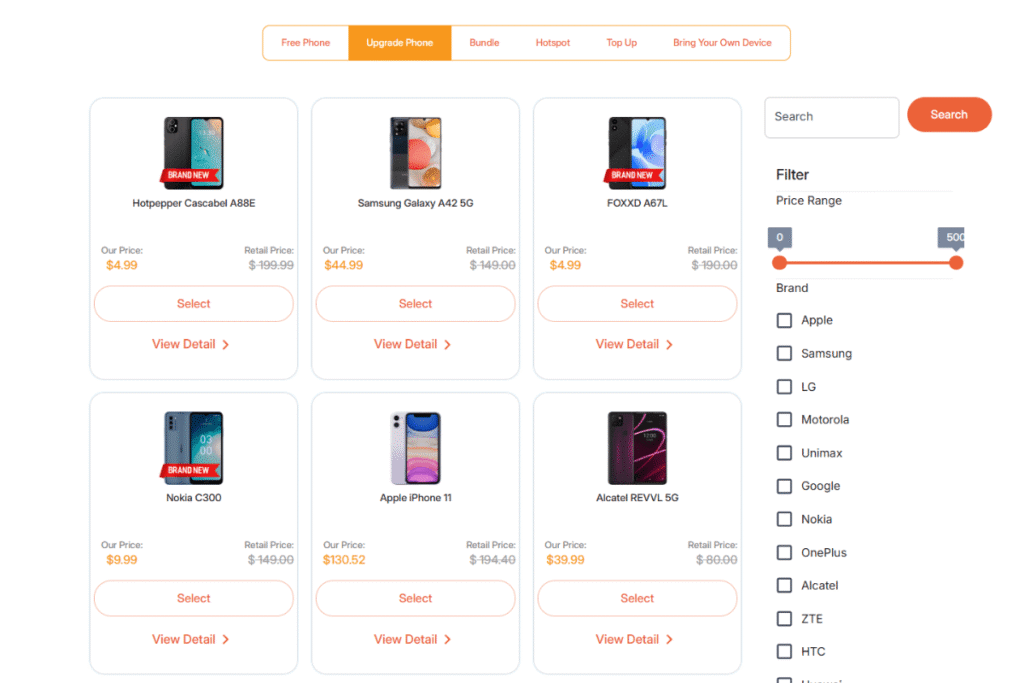
Device choice can make it easier to watch styling videos, save routines, compare hair-care products, or keep self-care resources close throughout the day. TAG Mobile currently lists several familiar Apple and Samsung models, although availability can vary by location and inventory.
iPhone XS: Compact Apple smartphone with access to popular beauty, video, shopping, and note-taking apps.
Samsung Galaxy S20 5G: Strong option for streaming tutorials, browsing visual guides, and handling everyday mobile tasks on a modern 5G-capable device.
iPhone XR: Spacious display and familiar iOS experience make it convenient for watching videos, saving photos, and researching routines.
iPhone 7 Plus: Larger screen supports comfortable browsing, video viewing, messaging, and everyday access to self-care content.
Samsung Galaxy S21 5G: Modern Samsung model suited to streaming, photography, app use, and quick access to online beauty resources.
Free or discounted device offers depend on eligibility, state, ZIP code, and current inventory.
List of tablets and upgraded phones at TAG Mobile (Offers may vary by state, inventory, and time of your application).
Note: Eligibility varies by state and program. Offers depend on availability and qualifications. TAG Mobile operates under the federal Lifeline Program as an Eligible Telecommunications Carrier (ETC). Service is non-transferable and limited to one service per household.
5. Some Questions about Fixing Frizzy Hair
Hair behavior can change with moisture levels, environmental conditions, and styling routines. These common questions explain which approaches can improve smoothness, manageability, and overall appearance over time.
Can frizzy hair be repaired permanently?
Not always. Frizz caused by temporary dryness or poor styling habits can improve significantly, but hair that is already chemically or heat damaged cannot be fully restored to its original structure and usually needs ongoing care until the damaged length grows out.
What’s the best product for dry, frizzy hair?
Moisturizing leave-in conditioners, smoothing creams, and lightweight serums are often useful because they add hydration and reduce friction around the hair cuticle. The best choice depends on hair texture, porosity, and how easily your hair becomes weighed down.
Why does my hair get frizzy after blow-drying?
High heat, rough brushing, or directing airflow against the cuticle can leave the surface uneven and dry. Using heat protectant, moderate temperature, a nozzle attachment, and downward airflow can help create a smoother finish.
How often should I deep condition frizzy hair?
Once a week is a practical starting point for dry or frizz-prone hair, although very fine hair may need less frequent treatments. Adjust based on how your hair responds, since over-conditioning can sometimes make strands feel limp or heavy.
Is hair oil enough to control frizz?
Hair oil can smooth the surface and help reduce moisture loss, but it does not replace hydration or repair damaged hair. Frizz usually responds better to a routine that combines conditioning, gentle handling, heat protection, and a small amount of oil or serum for finishing.
Final Words
Smoother hair often comes from addressing dryness, friction, heat, and humidity rather than relying on one quick fix. Learning how to fix frizzy hair means building consistent habits around gentle washing, conditioning, styling, and protection.
Helpful self-care resources can support that routine anywhere, while eligible consumers may explore Lifeline-supported wireless service and device options through TAG Mobile.
Share
TAG Blog
Stories, guides, and helpful updates for staying connected.