How to Wash Wool Sweater Without Shrinking It for Beginners
Wool requires careful handling because heat, friction, and harsh detergents can cause fibers to tighten, felt, or lose their original shape. Learning how to wash wool sweater prope...
Quincy D.-Aug 01, 2026
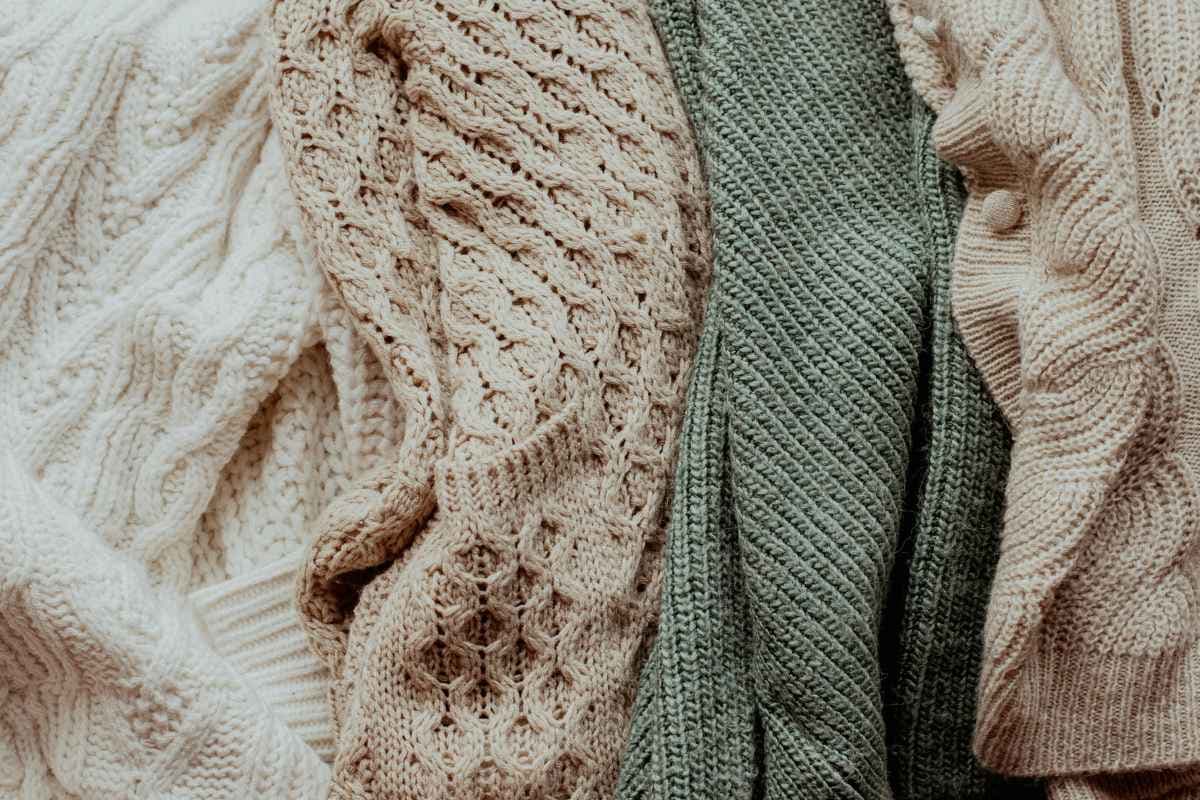
Image by Unsplash
Table of Contents
Wool requires careful handling because heat, friction, and harsh detergents can cause fibers to tighten, felt, or lose their original shape. Learning how to wash wool sweater properly helps protect softness, fit, and texture while reducing the risk of shrinkage.
Gentle water temperatures, suitable detergent, minimal agitation, and flat drying all play an important role in keeping wool garments comfortable and wearable for longer.
1. Check Your Sweater’s Wool Type Before Washing
Wool sweaters can react differently to water, detergent, and agitation depending on the fiber type and how the garment was made. Reading the care label first helps you choose a safer washing method and avoid unnecessary shrinkage, felting, or stretching.
Merino Wool
Merino wool is finer and softer than many traditional wool fibers, but it still benefits from gentle care. For those researching how to wash merino wool sweater, the safest approach is to use cool or lukewarm water, a wool-safe detergent, and very light agitation.
After washing, reshape the sweater carefully and lay it flat to dry rather than hanging it.
Icelandic Wool
Icelandic wool is known for combining a soft inner fiber with a stronger outer layer, giving it warmth and durability.
If you’re looking into how to wash an Icelandic wool sweater, it’s important to avoid hot water, harsh scrubbing, and sudden temperature changes. Gentle hand washing and flat drying can help preserve its structure and natural loft.
Lambswool
Lambswool is soft and lightweight but can be more delicate than it appears. It should be handled with care to prevent shrinking or fiber damage.
Use cool water, mild detergent, and minimal agitation. After washing, reshape the garment and dry it flat to help retain its original form.
Wool Blends
Wool blends combine wool with fibers such as cotton, nylon, acrylic, or polyester, so care requirements can vary widely. Some blends tolerate machine washing better than pure wool, while others still need delicate handling.
Follow the garment label closely, use a gentle cycle when permitted, and avoid high heat during both washing and drying.
Washing wool successfully depends on controlling water temperature, movement, and drying technique from start to finish. Gentle handling helps protect the fibers from shrinking, felting, stretching, or losing their original shape.
How to Hand Wash Wool Sweater
Hand washing gives you the most control over delicate wool and is often the safest option for sweaters that are not labeled machine washable. Cool or lukewarm water, mild detergent, and very little agitation are the key priorities throughout the process.
Fill a basin with cool or lukewarm water and add a small amount of wool-safe detergent.
Submerge the sweater gently and press it into the water without rubbing, scrubbing, or twisting.
Let it soak for about 10 to 15 minutes so the detergent can loosen dirt naturally.
Drain the water, then rinse with water at a similar temperature to reduce fiber shock.
Press out excess water carefully without wringing.
Lay the sweater flat on a clean towel, reshape it, and allow it to air-dry completely.
How to Wash Wool Sweater with a Washing Machine
Machine washing can work for wool sweaters when the care label specifically allows it. The safest approach is to minimize friction, use low temperatures, and keep the spin cycle gentle so the fibers are not stressed unnecessarily.
Turn the sweater inside out and place it in a mesh laundry bag for extra protection.
Select a wool, hand-wash, or delicate cycle with cool or lukewarm water.
Add a mild detergent formulated for wool and avoid bleach or harsh laundry products.
Use a low-spin setting to reduce stretching and agitation.
Remove the sweater promptly after the cycle finishes instead of leaving it wet in the drum.
Reshape it while damp, then dry it flat away from direct heat or strong sunlight.
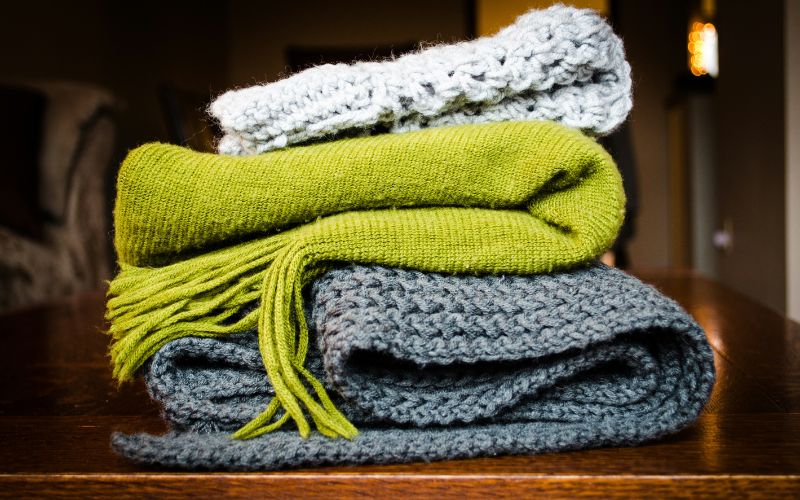
Washing wool successfully depends on controlling water temperature, movement, and drying technique from start to finish.(Image by Unsplash)
3. Washing Mistakes That Can Ruin a Wool Sweater
Wool can lose its shape or softness quickly when exposed to too much heat, pressure, or movement during cleaning. Avoiding a few common mistakes makes how to wash wool sweater much easier and helps protect the garment from shrinkage, felting, and stretching.
Hot Water
Hot water can cause wool fibers to contract, especially when combined with agitation or sudden temperature changes. This may lead to shrinkage or felting that is difficult to reverse. Use cool or lukewarm water instead, and keep the temperature consistent during washing and rinsing.
Twisting the Fabric
Twisting or wringing a wet wool sweater can stretch the fibers and distort the garment’s shape. Press water out gently with your hands, then roll the sweater inside a clean towel to absorb additional moisture without placing unnecessary stress on the knit.
Machine Drying
High heat and tumbling are particularly risky for wool because they can trigger shrinkage, felting, and loss of softness. Unless the care label specifically permits tumble drying, reshape the sweater while damp and let it dry flat on a clean surface away from direct heat.
Hanging While Wet
Wet wool becomes heavier, making it more likely to stretch when hung from the shoulders or neckline. This can leave sleeves longer, distort the body, or create shoulder bumps. Dry the sweater flat in its natural shape so the fibers remain evenly supported.
4. Tips to Keep Wool Sweaters Looking New Longer
Good wool care continues well beyond wash day, since storage, wearing habits, and everyday maintenance can affect softness and shape over time. A few simple routines can help reduce pilling, stretching, odors, and unnecessary washing while keeping sweaters looking fresh.
Wash only when necessary: Wool naturally resists odors better than many fabrics, so airing the sweater between wears can reduce frequent washing and unnecessary fiber stress.
Follow the care label: Before deciding how to wash wool sweater, review the manufacturer’s instructions because some garments require hand washing, while others are designed for a wool or delicate machine cycle.
Fold instead of hanging: Store sweaters folded on a shelf or in a drawer to prevent the shoulders and body from stretching under their own weight.
Remove pills gently: Use a wool comb or fabric shaver carefully on areas prone to friction, such as the sleeves and sides, rather than pulling loose fibers by hand.
Treat stains promptly: Blot spills gently and use a wool-safe cleaning product when needed. Avoid aggressive rubbing, which can mat the fibers or spread the stain.
Keep wool clean before seasonal storage: Wash and dry sweaters completely before putting them away, then store them in a clean, dry space to reduce odors and discourage fabric pests.
Rotate your sweaters: Giving wool garments time to rest between wears allows the fibers to recover and reduces repeated friction in the same areas.
5. Helpful Laundry Guides Are Easier to Access Anywhere
Laundry questions often come up at inconvenient moments, especially when a care label is unclear or a delicate sweater needs immediate attention. Mobile access to fabric-care guides, washing instructions, and troubleshooting tips can make everyday clothing care easier to manage wherever you are.
The Lifeline Program is a federal benefit that helps eligible low-income consumers lower the monthly cost of qualifying phone or internet service. Standard Lifeline support can provide up to $9.25 per month toward eligible service, while enhanced support may apply on qualifying Tribal lands.
Participating providers can build on that service benefit with their own plans, promotions, and device offers. TAG Mobile is an Eligible Telecommunications Carrier, and its current Lifeline offering may include free or discounted phones with free delivery for qualifying customers, helping users access online laundry guides, care videos, messaging, and other everyday resources from a mobile device.
Different screen sizes and device capabilities can suit different routines, from quickly checking a sweater care guide to watching a detailed washing tutorial. TAG Mobile currently lists the following models, although pricing and availability can vary by ZIP code, eligibility, and inventory:
Samsung Galaxy A20: Offers a smartphone format suited to browsing care instructions, viewing reference photos, watching tutorials, and handling everyday mobile tasks.
Samsung Galaxy A71 5G: Provides 5G capability and a larger smartphone experience for online guides, videos, web browsing, and daily communication.
Samsung Galaxy A12: Supports practical activities such as searching for washing instructions, saving garment-care notes, checking messages, and browsing the web.
Samsung Galaxy S21 5G: Delivers a more capable smartphone option for streaming tutorials, reviewing detailed images, browsing care resources, and managing other digital tasks.
Clovertek G17: Gives users another smartphone choice for accessing online information, videos, messages, and useful household guides directly from a mobile device.
TCL 20 SE: Features a spacious smartphone format that works well for web browsing, video viewing, social apps, and everyday online activities.
FOXXD A67U: Comes with a 6.75-inch display, Android, and 4G LTE support, making it practical for viewing instructions, photos, and online tutorials.
To receive Lifeline-supported service or any available device offers, applicants must first meet the program’s eligibility requirements.
Households may qualify if income is at or below 135% of the Federal Poverty Guidelines or through participation in approved programs such as SNAP, Medicaid, SSI, Federal Public Housing Assistance, Veterans Pension or Survivors Benefit, and certain Tribal programs.
Eligible consumers can check their qualification before exploring the service and device options currently available through TAG Mobile in their area.
Contact TAG Mobile team to get support as soon as possible.
Note: Eligibility varies by state and program. Offers depend on availability and qualifications. TAG Mobile operates under the federal Lifeline Program as an Eligible Telecommunications Carrier (ETC). Service is non-transferable and limited to one service per household.
6. Frequently Asked Questions About Washing Wool
Wool care often raises questions about machine washing, cleaning frequency, and which products are gentle enough for delicate fibers. Knowing the basics can help preserve softness, shape, and comfort while reducing unnecessary wear.
Can you machine wash a wool sweater?
Yes, but only when the care label confirms that machine washing is safe. Use a wool or delicate cycle, cool or lukewarm water, mild detergent, and low spin, then reshape the sweater and dry it flat rather than placing it in a dryer.
How often should you wash a wool sweater?
Wool sweaters usually do not need washing after every wear because the fibers tend to hold less odor than many other fabrics. Airing the sweater between uses and spot-cleaning small marks can reduce unnecessary washing and help the garment last longer.
What’s the best detergent for wool?
Choose a mild detergent specifically formulated for wool or delicate fabrics. Avoid bleach, strong enzymes, and harsh cleaning agents, since they can weaken the fibers or affect softness over time.
Final Thoughts
Gentle washing habits help a wool sweater stay soft, retain its shape, and last longer. Learning how to wash wool sweater means following the care label, using the right water temperature and detergent, and drying the garment flat.
For convenient access to clothing-care guides and other everyday online resources, eligible consumers can explore Lifeline-supported service and available device options through TAG Mobile.
Share
TAG Blog
Stories, guides, and helpful updates for staying connected.