How to Clean Leather Couch: Safe Methods for Every Leather Type
Learning how to clean a leather couch the right way can make the difference between preserving its look and accidentally damaging it. Leather reacts easily to excess moisture and h...
Quincy D.-Jul 30, 2026
Image by Unsplash
Table of Contents
Learning how to clean a leather couch the right way can make the difference between preserving its look and accidentally damaging it. Leather reacts easily to excess moisture and harsh products, so a careful approach matters. With the right method, you can keep the surface clean, soft, and looking its best over time.
1. Identify Your Couch Before You Start Cleaning
Before learning how to clean leather couch surfaces, it’s important to identify the upholstery material.
Leather-like upholstery can respond very differently to water, cleaners, and conditioning products, so identifying the material should come before any stain treatment. The safest method depends on whether the surface is natural leather, synthetic, bonded, or protected by a finish.
Genuine Leather
Genuine leather is made from animal hide and usually benefits from gentle cleaning with a soft cloth and a leather-safe product. Before deciding how to clean a leather couch, check the care label and test any cleaner on a hidden area because natural leather can darken, dry out, or discolor.
Faux Leather
Faux leather is typically made from synthetic materials such as polyurethane or vinyl, so it does not require leather conditioner in the same way natural hide does. Use a damp microfiber cloth with mild soap, avoid harsh solvents, and dry the surface promptly to help prevent peeling, cracking, or surface damage.
Bonded Leather
Bonded leather combines leather fibers with synthetic binders and a coated outer surface. Because the top layer can peel or crack more easily, use minimal moisture, gentle wiping, and products specifically labeled as compatible with bonded leather. Avoid heavy scrubbing, soaking, or oil-based treatments that may weaken the finish.
Finished vs. Unfinished Leather
Finished leather has a protective coating that makes it more resistant to moisture and stains, while unfinished leather, such as aniline leather, is more absorbent and sensitive. Finished surfaces usually tolerate gentle damp cleaning, but unfinished leather often requires specialized products and extra care to avoid water marks or color changes.
2. How to Clean Leather Couch Naturally: Faux vs Fake Leather Couch
Not all leather responds the same way to cleaning. Before applying any solution, it helps to know whether your couch is real or synthetic. Using the wrong method can dull the finish, cause cracking, or leave behind residue that’s hard to remove.
Real Leather Couch
Natural leather is more sensitive to moisture and harsh ingredients, so cleaning should stay minimal and controlled. When learning how to clean leather couch surfaces made from real leather, the goal is to lift dirt without disturbing the material’s natural oils.
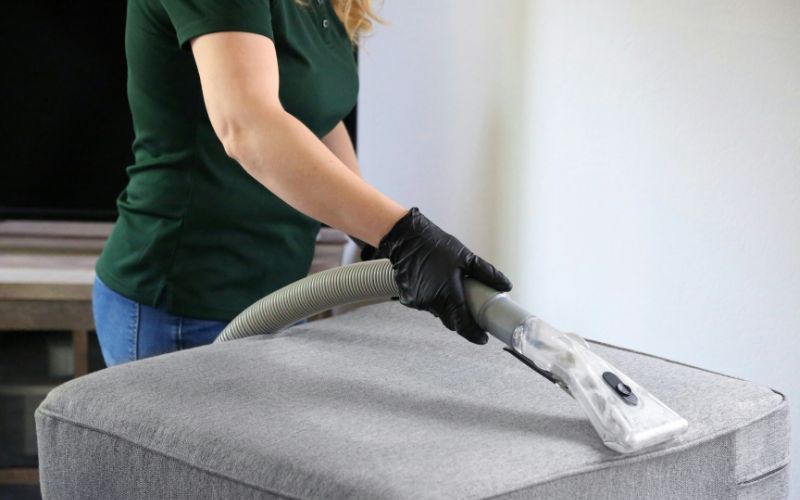
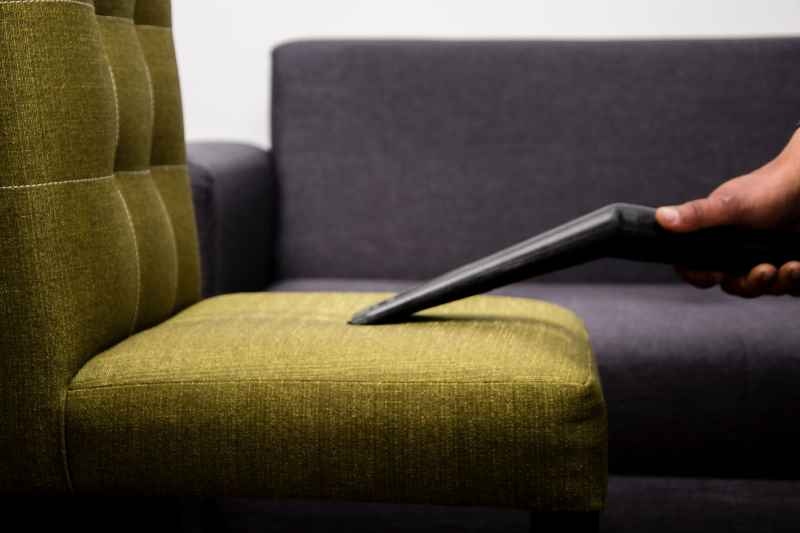
Start by vacuuming with a soft brush attachment to remove dust and debris
Mix a small amount of mild soap with warm water
Dampen a microfiber cloth and wring it out well
Wipe gently in sections without soaking the surface
Use a clean, damp cloth to remove any residue
Dry immediately with a soft towel
For long-term care, apply a leather conditioner occasionally to help maintain softness and prevent cracking.
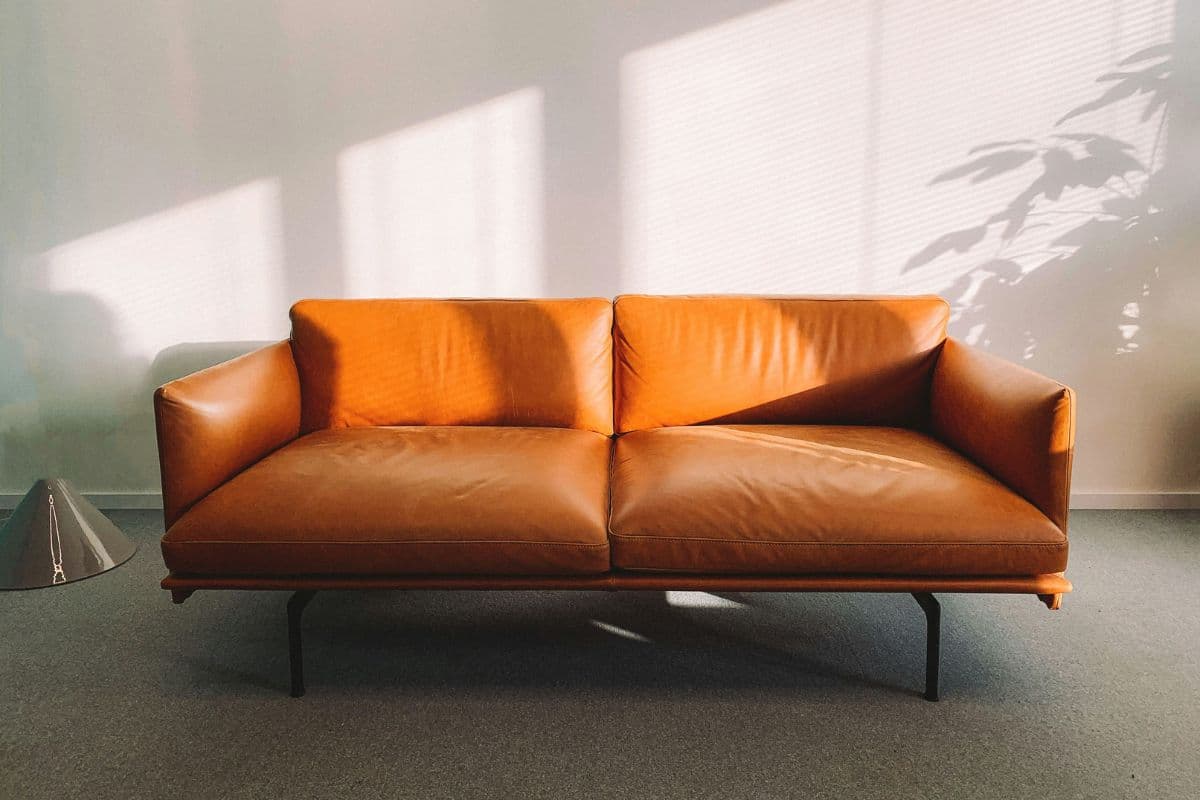
Not all leather responds the same way to cleaning. Before applying any solution, it helps to know whether your couch is real or synthetic. (Image by Unsplash)
Faux Leather Couch (Fake Leather)
Faux leather, also known as fake or synthetic leather, including PU and vinyl, handles cleaning more easily but can still be damaged by strong chemicals or excess moisture. If you’re researching how to clean faux leather couch surfaces or how to clean fake leather couch materials, a simple approach usually works best.
Remove loose dust with a dry cloth or vacuum
Mix a few drops of mild dish soap with warm water
Lightly dampen a microfiber cloth and wipe the surface
Focus on small areas and avoid aggressive scrubbing
Wipe again with a clean, damp cloth to remove soap
Dry thoroughly, especially around seams and edges
Avoid bleach, alcohol, and abrasive pads, as these can weaken the surface coating or cause peeling over time.
3. How to Safely Remove Tough Stains from Leather
Stubborn stains need targeted treatment because the wrong cleaner can spread discoloration, strip protective finishes, or dry out the surface. Work gently, test any product on a hidden area first, and always follow the care instructions for your specific leather type.
Ink Marks & Food/Drink Spills
When figuring out how to clean leather couch stains, act quickly by blotting fresh spills with a clean, dry cloth to absorb as much liquid as possible.
For food or drink stains, gently wipe the area with a soft damp cloth and a leather-safe cleaner before drying it thoroughly. Ink stains require extra care, so avoid using alcohol or harsh chemicals unless they are specifically approved by the manufacturer, as they can strip the leather’s color or protective finish.
Grease, Oil, & Pet Stains
For grease or oil, blot excess residue and apply a small amount of cornstarch or baking soda to absorb remaining oil, then brush it away after several hours if your leather type allows. Pet stains should be cleaned promptly with a leather-safe product to reduce odor and discoloration.
Avoid soaking the area, and condition genuine leather afterward if recommended.
Stubborn stains need targeted treatment because the wrong cleaner can spread discoloration, strip protective finishes, or dry out the surface (Image by Pexels)
4. Mistakes That Can Permanently Ruin Leather Furniture
Leather can remain attractive for years, but improper cleaning may damage the finish long before normal wear does. When learning how to clean leather couch surfaces, avoiding harsh products, excess moisture, and aggressive techniques is just as important as removing dirt.
Using harsh household cleaners: Bleach, ammonia, strong detergents, and alcohol-based products can strip protective finishes, fade color, or dry out genuine leather.
Soaking the surface: Too much water can penetrate seams and absorbent leather, leaving stains, stiffness, warping, or discoloration as the material dries.
Scrubbing stains aggressively: Hard brushes and abrasive pads may scratch the finish or spread a stain. Blot spills and use gentle wiping instead of applying heavy pressure.
Skipping the spot test: Even leather cleaners can react differently depending on dye and finish. Test any new product on a hidden area before treating visible sections.
Overusing conditioner: Heavy or frequent conditioning can leave the couch greasy, attract dirt, or alter its appearance. Apply only a leather-compatible product at intervals recommended for the specific material.
5. Save Money on Household Upgrades & Cleaners without Extra Costs
Household maintenance often comes with recurring expenses, from cleaning products to small upgrades and replacement supplies. Cutting another monthly bill can leave more room in the budget for those practical home needs.
The Lifeline Program is a federal benefit that helps eligible consumers reduce the cost of qualifying phone or internet service, with one benefit available per eligible household. You may qualify through household income that meets Lifeline requirements or by participating in an approved assistance program, such as SNAP.
As a federally approved Lifeline provider, TAG Mobile connects qualifying customers with wireless service supported by the program. TAG Mobile may pair that connectivity with free or discounted device options that make communication, online shopping comparisons, and household resources easier to access.
The current TAG Mobile Lifeline offering varies by state, so exact data allowances and optional features depend on ZIP code and availability. These are the main plan benefits currently advertised by TAG Mobile:
Up to 16GB of data, depending on location and plan availability.
Unlimited talk for everyday calls.
Unlimited text messaging.
Free international calling to more than 200 countries and territories.
Nationwide 5G+ or 4G LTE coverage where available.
Free shipping on qualifying phone or SIM orders.
Free or discounted phone options for eligible customers, subject to availability.
911 emergency access.
Mobile hotspot options may be available through paid upgrades rather than the standard free Lifeline plan.
Note: Eligibility varies by state and program. Offers depend on availability and qualifications. TAG Mobile operates under the federal Lifeline Program as an Eligible Telecommunications Carrier (ETC). Service is non-transferable and limited to one service per household.
6. Frequently Asked Questions About Cleaning a Leather Couch
If you’re exploring how to clean leather couch surfaces, leather care becomes much easier when you know which products are safe and how often the surface actually needs attention. These answers cover common cleaning concerns that can help you avoid drying, discoloration, residue, and premature wear while keeping your couch looking its best.
Can vinegar damage leather furniture?
Yes, vinegar can damage some leather finishes because its acidity may dry out the material or affect color over time. It is safer to use a cleaner specifically made for your leather type and test any new product on a hidden area first.
How often should you clean a leather couch?
Light dusting can be done weekly, while a more thorough cleaning is usually needed every few months, depending on use, pets, spills, and household conditions. Genuine leather may also benefit from periodic conditioning according to the manufacturer’s care instructions.
Can you use baby wipes on leather?
Baby wipes are generally not recommended because they may contain alcohol, fragrances, preservatives, or moisturizers that can leave residue or weaken the finish. Use a soft, damp cloth or a leather-safe cleaner instead.
What’s the best homemade leather cleaner?
For finished leather, a small amount of mild soap mixed with water is usually safer than stronger homemade formulas. Use a barely damp microfiber cloth, avoid soaking the surface, and always spot-test first because unfinished and specialty leathers may require professional products.
Final Words
Proper leather care starts with identifying the material, choosing gentle products, treating stains carefully, and avoiding excess moisture or harsh chemicals. This guide on how to clean leather couch surfaces helps preserve softness, color, and appearance while reducing preventable damage.
For easy access to household tutorials, cleaning resources, shopping research, and everyday communication, explore available options through TAG Mobile.
Share
TAG Blog
Stories, guides, and helpful updates for staying connected.