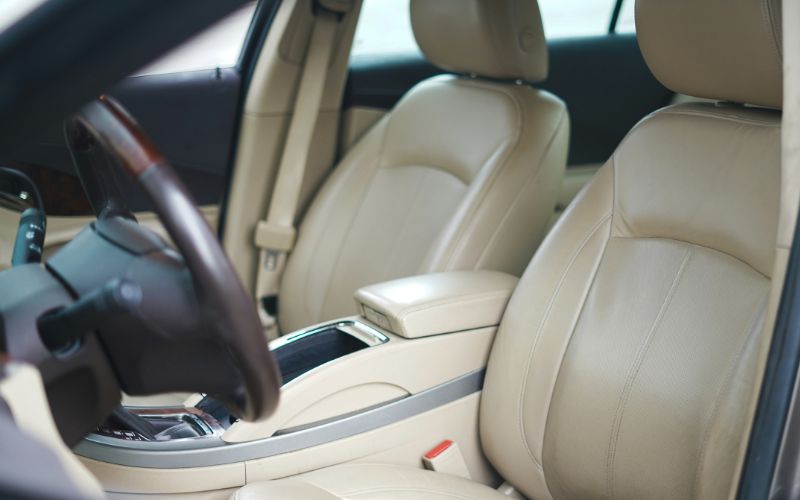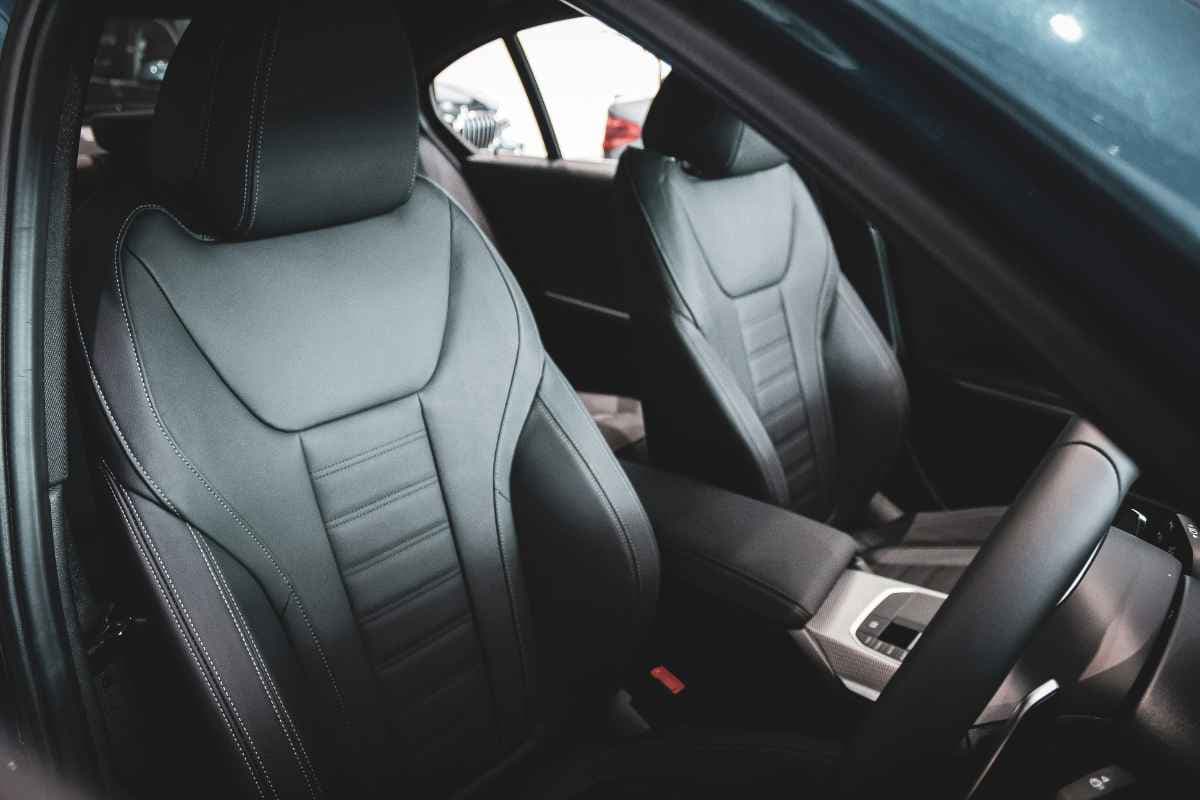
Clean car seats can make the entire interior feel fresher while helping prevent stains, odors, and everyday grime from building up. The ideal approach to how to clean car seats depends on the material, since leather, cloth, and fabric each respond differently to moisture, scrubbing, and cleaning products. Using the right method can lift dirt effectively without leaving water marks, discoloration, or surface damage.
1. Before You Clean: What Are Your Car Seats Made Of?
Seat material determines which cleaner, amount of moisture, and scrubbing method are safe to use. Before working through how to clean car seats, identify whether the surface is leather, cloth, fabric, or synthetic upholstery so you can avoid unnecessary damage.
| Seat Material | Key Characteristics | Best Cleaning Approach | Main Caution |
| Leather | Smooth, firm, sometimes glossy | Use a leather-safe cleaner and soft microfiber cloth | Avoid soaking or harsh detergents |
| Cloth | Soft, absorbent, common in many vehicles | Vacuum first, then use upholstery cleaner sparingly | Too much moisture can leave odors or water marks |
| Fabric Upholstery | Textured and may trap crumbs or stains | Vacuum thoroughly and gently agitate with a soft brush | Avoid aggressive scrubbing |
| Synthetic Leather | Leather-like but usually less porous | Wipe with mild soap solution or compatible interior cleaner | Strong solvents may crack or discolor the surface |
>>> Read More: How to Replace Windshield Wipers: A Simple DIY Guide
2. How to Clean Car Seats with Different Types
Each seat material responds differently to moisture, cleaners, and scrubbing, so using one method for every surface can lead to discoloration, stiffness, or lingering odors.
Matching the cleaning process to the upholstery type helps remove dirt more effectively while protecting the seat’s finish and texture.
Leather Car Seats
Leather needs a gentle approach because too much water, harsh soap, or aggressive rubbing can dry the surface and damage its finish.
For how to clean leather car seats, focus on removing loose debris first, then use a leather-safe cleaner followed by conditioning if the manufacturer recommends it.
The best leather cleaners are pH-balanced and gentle. They avoid harsh solvents, alcohols, and alkalies that damage leather’s natural oils.
Follow these steps to safely clean car seats made of leather:
- Vacuum the seat carefully, including seams and creases where crumbs and grit tend to collect.
- Test the cleaner on a hidden section before applying it across the entire seat.
- Apply a small amount of leather-safe cleaner to a microfiber cloth rather than pouring it directly onto the surface.
- Wipe the leather in small sections, using light pressure on areas with visible grime.
- Remove any remaining cleaner with a separate clean, slightly damp cloth.
- Dry the seat with a microfiber towel and allow it to air-dry away from direct heat.
- Apply a compatible leather conditioner afterward if needed to maintain softness and reduce dryness.
Cloth Car Seats
Cloth upholstery absorbs liquid easily, which means stains can travel deeper into the padding if too much cleaner is used.
When handling how to clean cloth car seats, the goal is to lift dirt gradually while keeping moisture under control and allowing the seat to dry thoroughly afterward.
- Vacuum the entire seat first to remove dust, crumbs, hair, and debris from the fibers.
- Treat visible stains with a suitable upholstery cleaner, following the product directions and testing it in a hidden area.
- Apply cleaner lightly instead of saturating the fabric, then allow it to sit briefly if recommended.
- Agitate stubborn areas with a soft upholstery brush using gentle, controlled strokes.
- Blot loosened dirt and moisture with a clean microfiber cloth rather than rubbing aggressively.
- Repeat the process in small sections if stains remain instead of soaking the seat all at once.
- Leave the doors or windows open in a safe location until the upholstery is completely dry.
Fabric Car Seats
Textured fabric can trap dust, food particles, oils, and spills between its fibers, making thorough vacuuming especially important before wet cleaning begins.
If you’re working on how to clean fabric car seats, it’s ideal to work slowly in sections so the cleaner can loosen grime without leaving the material overly wet.
- Vacuum from several directions and use a crevice attachment around stitching, seat edges, and hard-to-reach gaps.
- Check the upholstery care guidance and choose a cleaner designed for automotive fabric.
- Test the product on an inconspicuous area to check for fading or color transfer.
- Mist the cleaner lightly over one section at a time instead of soaking the seat.
- Gently work the solution into the fibers with a soft brush where deeper dirt is present.
- Blot the area with a microfiber towel to absorb lifted soil and excess moisture.
- Allow plenty of ventilation and drying time before sitting on the seat or closing the vehicle for an extended period.
Be careful not to damage safety features while cleaning. Avoid harsh scrubbing on stitching, straps, or seat anchors, as these need to stay intact to protect occupants properly.