How to Replace Windshield Wipers: A Simple DIY Guide

Worn wiper blades can leave streaks, skip across the glass, or reduce visibility when weather turns bad. This guide explains how to replace windshield wipers with a straightforward DIY process, from identifying the correct blade size to removing the old set and securing the replacements.

With a few careful checks, you can restore smoother wiping performance and keep your windshield clearer during everyday driving.

1. 5 Signs Your Windshield Wipers Need Replacing

Wiper blades usually show clear warning signs before they stop working effectively. Paying attention to changes in wiping quality can help you replace them before rain or road spray seriously affects visibility.

Streaks Remain on the Windshield

Visible streaks after each pass often mean the rubber edge has worn down or hardened. If cleaning the blades does not solve the problem, replacement is usually the better option for restoring a clearer windshield.

The Blades Skip or Chatter

Wipers that bounce, skip, or make chattering noises may no longer sit evenly against the glass. Warped rubber, age, or prolonged sun exposure can all cause this behavior and reduce consistent contact.

Cracked or Split Rubber Appears

Inspect the blade edges for cracks, tears, or missing pieces of rubber. Once this damage appears, the wipers cannot clear water evenly. Learning how to replace windshield wipers becomes especially useful before the damage gets worse.

Areas of the Glass Stay Wet

Uneven wiping can leave patches of water behind even when the blades are moving normally. This often indicates worn rubber or a blade that has lost proper tension against the windshield.

Squeaking Continues During Use

Occasional noise can come from a dry windshield, but repeated squeaking may signal hardened or deteriorated rubber. If the sound continues even in wet conditions, replacing the blades can improve both performance and driving comfort.

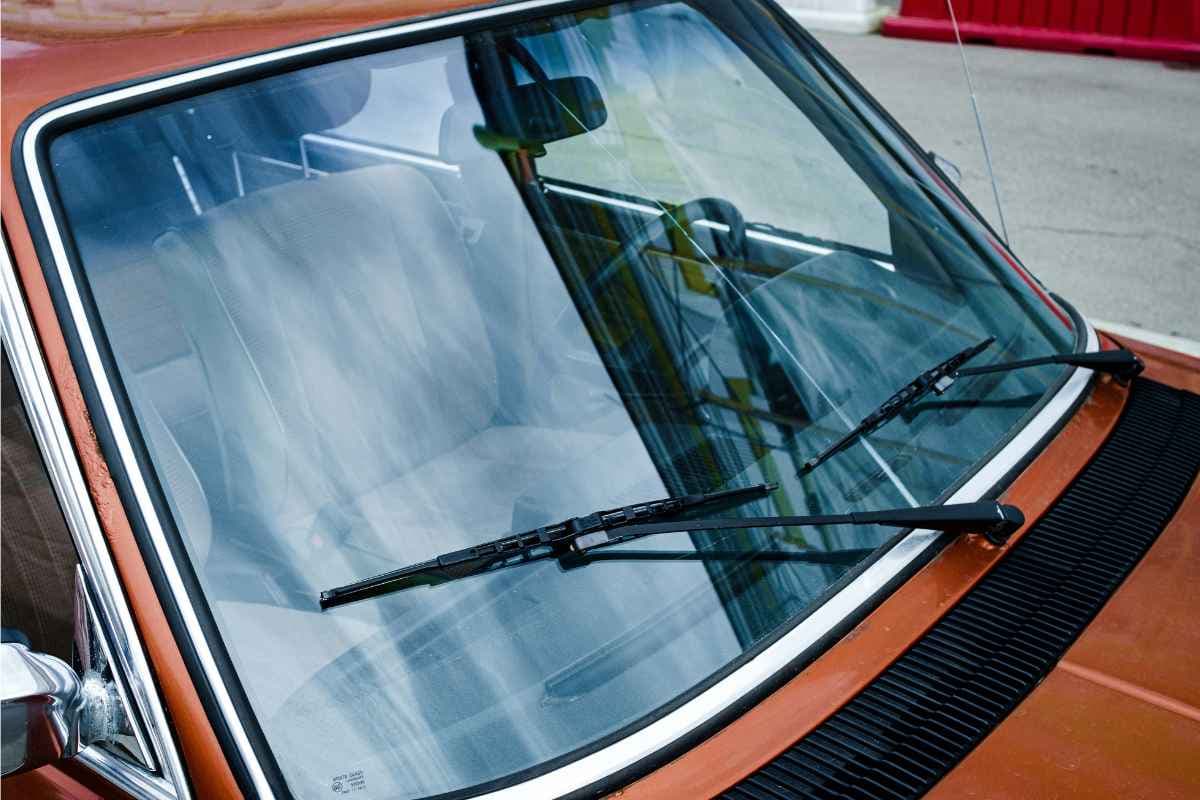
how-to-replace-windshield-wipers-1
Wiper blades usually show clear warning signs before they stop working effectively. (Image by Pexels)

2. How to Replace Windshield Wipers Step by Step

Replacing wiper blades is a manageable maintenance task when you work carefully and match the new blades to your vehicle. The process usually takes only a few basic steps, but protecting the windshield and confirming a secure fit are important.

  • Check the correct blade size: Review your vehicle manual or the current blade specifications to make sure the replacements match the driver and passenger sides.
  • Lift the wiper arm: Raise the wiper arm gently away from the windshield until it stays in an upright position. Avoid letting the bare arm snap back against the glass.
  • Locate the attachment point: Find where the blade connects to the wiper arm. Many vehicles use a hook-style connector, although other attachment designs are also common.
  • Release the old blade: Press or slide the locking tab according to the connector design, then carefully move the old blade away from the arm until it comes free.
  • Attach the new blade: Align the replacement blade with the connector and slide or press it into place until you hear or feel it lock securely.
  • Lower the wiper arm carefully: Guide the arm back toward the windshield rather than dropping it. Repeat the same process on the other side if both blades are being replaced.
  • Test the new wipers: Spray washer fluid and run the wipers for several cycles. Check that both blades move smoothly, stay firmly attached, and clear the glass without streaking or skipping.

3. How to Choose the Right Windshield Wiper Blades

The right wiper blades should match your vehicle, fit the existing wiper arms, and perform well in the weather conditions you drive through most often. Checking a few key details before buying can prevent poor contact, installation problems, and uneven wiping.

Check the Correct Blade Size

Driver-side and passenger-side wipers often use different lengths, so measure carefully or check your vehicle manual before purchasing replacements. Choosing the wrong size can cause poor windshield coverage, blade overlap, or contact with the windshield frame.

Match the Connector Type

Wiper arms use different attachment systems, including hook, pin, and push-button designs. Make sure the replacement blade includes a compatible connector or adapter so it locks securely onto the arm without forcing the installation.

Consider Your Local Weather

Driving conditions can influence which blade design works best. Conventional blades may suit mild climates, while beam-style or winter-focused blades can perform better in heavy rain, snow, or ice by maintaining more consistent pressure across the windshield.

Look at Blade Material

Rubber blades are widely available and usually affordable, while silicone options may offer longer durability and better resistance to heat or UV exposure. Compare expected lifespan, weather resistance, and cost rather than choosing based on price alone.

Replace Both Front Blades When Needed

If both blades were installed at the same time, they often wear at a similar rate. Replacing them together can provide more consistent wiping performance and prevent one side of the windshield from clearing noticeably better than the other.

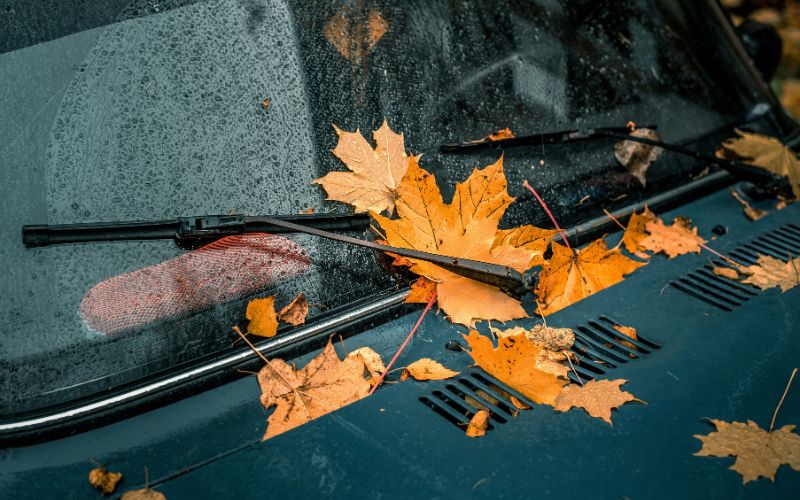
how-to-replace-windshield-wipers-how-to-choose
Choose windshield wiper blades based on size, fit, type, and driving conditions. (Image by Unsplash)

4. How Often to Replace Windshield Wipers?

Windshield wiper blades generally need replacement every 6 to 12 months, although frequent rain, snow, ice, intense sunlight, or temperature swings can shorten their lifespan.

For example, drivers researching how often to replace windshield wipers in Philadelphia may consider checking the blades twice a year because seasonal weather can accelerate rubber wear and reduce wiping performance.

5. How Much to Replace Windshield Wipers?

Replacing a front pair of windshield wipers usually costs around $20 to $100, depending on the blade type, vehicle, and whether you install them yourself or use a service shop. 

For example, someone asking how much does it cost to replace windshield wipers may spend less with a basic DIY replacement, while premium blades and professional installation can push the total toward the higher end.

6. Windshield Wiper Replacement Mistakes to Avoid

Installing new wiper blades is straightforward, but a few common mistakes can reduce performance or even damage the windshield. Paying attention to fit, handling, and testing helps the new blades work smoothly from the first use.

Choosing the Wrong Blade Size

Wiper blades are not always the same length on both sides of the windshield. Using the wrong size can cause poor coverage, overlap, or contact with the windshield frame. Always confirm the correct measurements for your vehicle before buying replacements.

Letting the Wiper Arm Snap Back

Once the old blade is removed, the bare metal arm can hit the windshield if released suddenly. This may chip or crack the glass. When learning how to replace windshield wipers, keep one hand on the arm and lower it gently whenever the blade is detached.

Installing the Blade Backward

Some replacement blades can appear to fit even when they are facing the wrong direction. Incorrect installation may cause uneven wiping, noise, or poor contact with the glass. Check the connector orientation carefully and make sure the blade locks firmly into place.

Forgetting to Remove Protective Covers

New wiper blades may include plastic guards or protective sleeves over the rubber edge. Leaving them attached prevents proper contact with the windshield. Inspect each blade before installation and remove any packaging or protective pieces completely.

Skipping the Final Test

Never assume the installation is complete just because the blade clicks into place. Spray washer fluid and run the wipers for several cycles to check for streaking, skipping, unusual noise, or loose connections before driving in wet conditions.

>>> Also read: How to Change a Flat Tire Safely From Stop to Repair Shop

7. FAQs about Changing Windshield Wipers

Replacing wiper blades is usually a simple maintenance task, but the connector design can make the process feel different from one vehicle to another. These answers clarify the most common questions about removing and installing new blades safely.

Can I change my windshield wipers myself?

Yes. Most drivers can replace windshield wipers at home without special tools, as long as they choose the correct blade size and connector type. The process generally involves lifting the arm, releasing the old blade, attaching the new one, and testing it.

How to unclip wiper blades?

Lift the wiper arm away from the windshield and locate the locking tab or release mechanism where the blade connects to the arm. Press or slide the tab, then carefully pull the blade free while keeping control of the metal arm.

Is it easy to replace windshield wipers?

For most vehicles, yes. Wiper replacement is typically a quick DIY job, especially with common hook-style connectors. Checking the vehicle manual or blade instructions first can make the installation smoother and help prevent incorrect fitting.

Final Thoughts

Worn wiper blades can turn an ordinary drive in the rain into a frustrating visibility problem. Learning how to replace windshield wipers makes it easier to recognize when blades need attention, choose the correct replacements, and install them securely before bad weather arrives. Check your wipers regularly, and visit the TAG Mobile blog for more practical car-care tips and everyday DIY guides.

Session feedback

Please rate your experience below

  • 5/5 stars

Your email address will not be published. Required fields are marked *

Subscribe to our newsletter!

Find out what we can do for your business or home.