How Do Food Pantries Work? What Happens From Donation to Pickup
Food pantries play a vital role in connecting donated groceries with individuals and families who need extra support. If you have ever wondered how do food pantries work, the proce...
Quincy D.-Nov 24, 2026
Image by Unsplash
Table of Contents
Food pantries play a vital role in connecting donated groceries with individuals and families who need extra support. If you have ever wondered how do food pantries work, the process usually involves food collection, inspection, storage, distribution planning, and scheduled pickup.
Each location operates differently, but the goal remains similar: move available food efficiently from donors and partner organizations to local households in need.
1. Are Food Pantries Free for Everyone?
Yes. Food pantries generally provide groceries and basic household essentials at no cost to visitors.
While some locations have eligibility rules based on residency, household size, or income, recipients are not charged for the food they receive.
2. How Do Food Pantries Work?
Food pantries connect available food supplies with individuals and families who need grocery assistance in their communities.
For anyone wondering what are food pantries and how they operate, the process typically moves through sourcing, food safety checks, daily coordination, and organized distribution.
Source Groceries From Food Banks and Donors
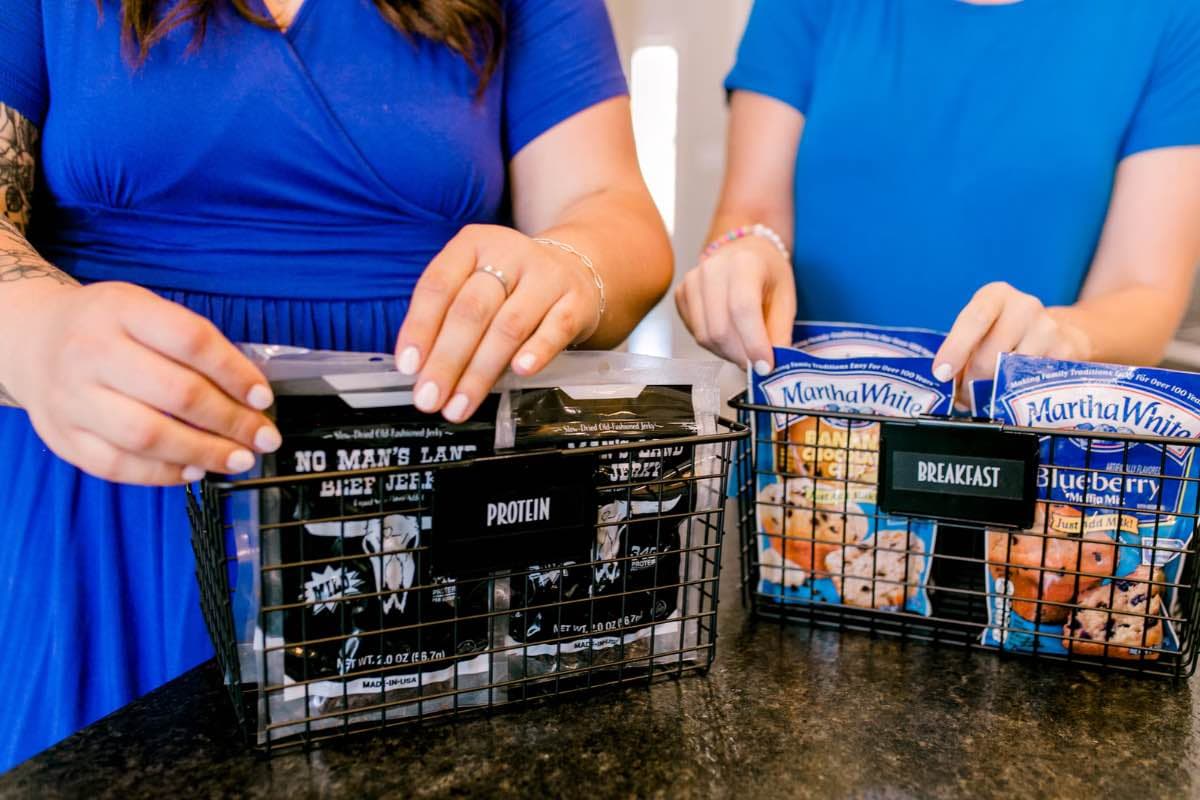
Food pantries rely on multiple supply channels to keep their shelves stocked with everyday essentials:
Community contributions: Supplement daily inventory through neighborhood food drives and individual donations.
Regional food banks: Supply partner pantries with large-scale shipments of staple groceries.
Retail and agricultural partners: Provide surplus produce, dairy products, and packaged goods through grocery rescue programs and local farms.
Sort, Inspect, and Store Donated Food
Every incoming shipment goes through careful handling before reaching pantry shelves or distribution boxes:
Quality and safety checks: Staff and volunteers inspect packaging integrity and expiration dates to ensure items are safe to eat.
Category organization: Products are sorted by food type so inventory stays easy to track and distribute.
Proper storage: Refrigerated, frozen, and shelf-stable goods are stored at appropriate temperatures following food safety standards such as those outlined by Virginia Tech Extension.
Proper handling and storage practices should be carried out carefully as they help maintain food safety while reducing unnecessary waste.
Manage Daily Operations With Staff and Volunteers
Smooth daily service depends on close coordination between paid employees and community volunteers:
Inventory and restocking: Teams receive incoming deliveries, track stock levels, and keep shelves organized.
Order preparation: Workers pack grocery boxes and stage distribution areas before opening hours.
Visitor support: Staff greet households, handle check-in registration, and guide visitors through the pickup process.
Distribute Food Through Choice or Pre-Packed Models
Pantries adapt their handout format based on available space, staffing, and household volume:
Client-choice model: Visitors browse shelves and pick items that fit their dietary needs and household preferences, an approach supported by Feeding America’s choice guidelines.
Pre-packed model: Volunteers assemble standard grocery boxes or bags in advance for faster pickup during busy distribution hours.
3. What Should Visitors Expect During a First Food Pantry Trip?
First-time visits are usually straightforward once you know the basic process and what information may be requested.
Learning how do food pantries work can make the experience feel more predictable, from finding a distribution site to receiving groceries and understanding future visit rules.
Step 1: Find a Pantry and Confirm Its Distribution Schedule
Start by locating a nearby pantry and reviewing its current hours, distribution days, and service area.
Some sites operate weekly, while others open only on specific dates, so confirming the schedule beforehand helps prevent unnecessary travel.
Step 2: Complete the Check-In or Registration Process
Upon arrival, visitors may be asked to sign in, provide basic household details, or show identification if required. Some pantries use a simple registration form, while others offer assistance with little or no documentation.
Step 3: Receive Your Groceries or Choose Available Items
Depending on the pantry, you may receive a pre-packed box or select groceries from available shelves.
Choice-based programs often let visitors pick foods that better match household size, dietary needs, and personal preferences.
Step 4: Learn When You Can Return for More Assistance
Before leaving, ask how often your household may return and whether future visits require another appointment or check-in. Some pantries allow weekly visits, while others provide assistance once or twice per month.
4. What Food Can You Expect to Receive From a Food Pantry?
Available groceries depend on donations and local partnerships, so selections can change from one visit to another.
Most food pantries provide a combination of shelf-stable staples and fresh or refrigerated items when resources allow.
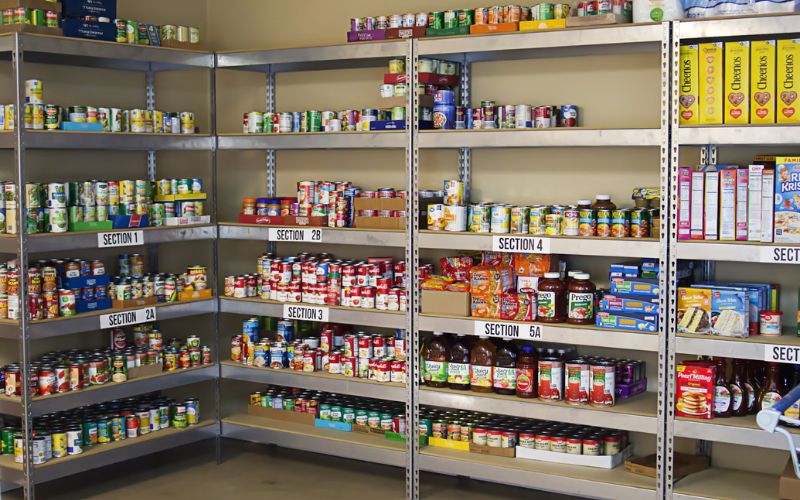
Canned Goods: Common options include vegetables such as corn, green beans, and peas, along with canned fruit, tuna, chicken, salmon, beans, soups, and stews.
Grains and Pasta: Pantries often distribute rice, pasta, oatmeal, breakfast cereal, and other grains that can serve as affordable staples for multiple meals.
Cooking Basics and Spreads: Peanut butter, cooking oil, sauces, dried beans, lentils, spices, instant potatoes, and boxed meal mixes may be available depending on inventory.
Fresh Produce: Seasonal fruits and vegetables may be offered when local farms, retailers, food banks, or community donors provide fresh items.
Proteins and Dairy: Depending on refrigeration and freezer capacity, visitors may receive frozen meat, eggs, fresh milk, shelf-stable or powdered milk, and cheese.
Baked Goods and Snacks: Bread, crackers, granola bars, pastries, and occasional snacks or treats may also be included when donated supplies are available.
How do food pantries work? See what food pantries typically provide, from pantry staples to fresh and refrigerated foods. (Image by Unsplash)
5. FAQs about Food Pantries
Questions about eligibility, appointments, and visit frequency are common when people first learn how do food pantries work. Policies vary by location, so verifying with a nearby pantry can help you understand what to expect before arriving.
Do you need to qualify for food pantry assistance?
Not always. Some pantries serve anyone who needs food, while others may consider residency, household size, income, or participation in certain assistance programs.
Can you visit a food pantry without an appointment?
Many food pantries accept walk-ins, but some require appointments, advance registration, or scheduled pickup times. Checking current distribution rules before visiting helps avoid delays or missed service hours.
How often can you receive food from a pantry?
Visit limits depend on the organization and available supplies. Some pantries allow weekly assistance, while others may serve the same household once or twice per month.
6. Final Thoughts
Food pantries help households facing food insecurity by distributing donated and rescued groceries to people in need. How do food pantries work is an important question for anyone preparing for their first visit or planning to use these services regularly.
TAG Mobile also helps eligible households access information about local resources, pantry updates, and community assistance programs.
Share
TAG Blog
Stories, guides, and helpful updates for staying connected.