Food Pantries in the US: A Guide to Free Groceries and Local Support
An unexpected bill can leave little room for groceries, even when you have planned carefully. Across the US, food pantries offer a place to turn when the kitchen shelves run low. B...
Quincy D.-Nov 24, 2026
Image by Unsplash
Table of Contents
An unexpected bill can leave little room for groceries, even when you have planned carefully. Across the US, food pantries offer a place to turn when the kitchen shelves run low.
Before visiting, it helps to know where to look, what information you might need, and how pickup works. With those details in hand, you can spend less time guessing and more time getting what your household needs.
1. What Are Food Pantries?
When groceries become difficult to afford, food pantries provide free food directly to individuals and households in need.
Often run by charities, churches, or community groups, these locations distribute fresh produce, canned goods, and other staples according to available supplies.
2. How Do Food Pantries Operate Across the United States?
Across the country, households facing food shortages can turn to food pantries for free groceries. These local distribution sites organize food pickups, maintain supplies, and help residents access assistance within their communities.
Food banks generally handle large-scale storage and distribution, while pantries typically serve people directly. Nonprofits, neighborhood groups, and faith-based organizations often run them, sometimes working with regional food banks
affiliated with national networks such as Feeding America.
Regional food banks: Pantries receive groceries through food banks that collect donated and surplus products from farms, retailers, and manufacturers.
Community drives and purchases: Neighborhood collections provide canned goods, pasta, and other shelf-stable staples. Monetary donations also let pantries purchase needed items, fill gaps in supplies, and accommodate household needs more closely.
3. What Kind of Food Assistance Do a Food Pantry Provide?
When groceries run short, food pantries can help fill the cupboard with ingredients for meals at home.
Beyond canned goods and rice, some locations offer fresh food, baby supplies, and flexible pickup options, depending on their resources.
Types of Food & Supplies Offered
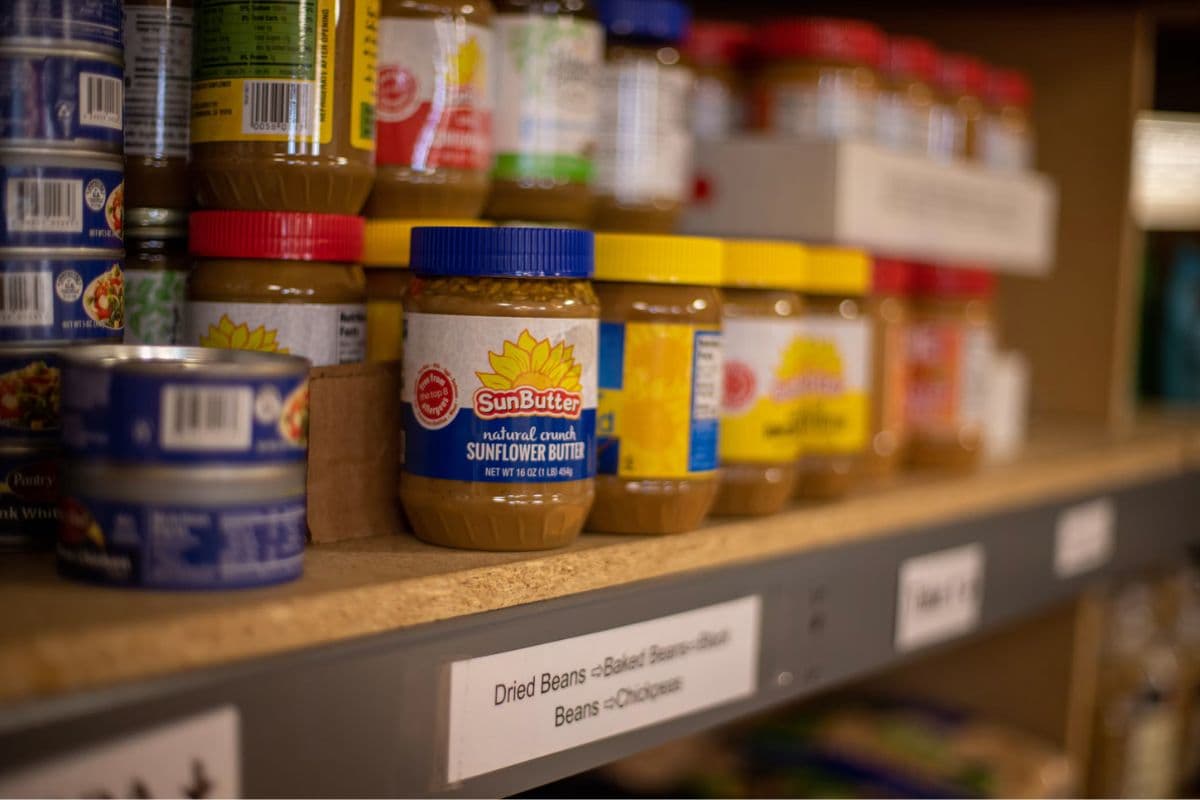
Shelf-stable staples: Rice, pasta, canned beans, tuna, and peanut butter provide a starting point for everyday meals. Cooking oil, sauces, and seasonings may also be available to help turn individual ingredients into dishes your household enjoys.
Fresh and perishable foods: Pantries with refrigeration may distribute vegetables, fruit, eggs, dairy, meat, and frozen items.
Infant and household essentials: Certain locations stock formula, baby food, diapers, soap, and menstrual products.
How Assistance Is Delivered
Pre-packed boxes or bags: Staff assembles grocery packages for collection, sometimes adjusting quantities to household size. Contents depend on current stock; tell volunteers about allergies or foods you cannot prepare before accepting your package.
Client-choice pantries: Visitors choose from available groceries, often within limits for each food category. Selecting items yourself makes it easier to work around dietary needs, cooking facilities, and preferences while avoiding food your household cannot use.
Mobile distributions and delivery: Mobile food pantries bring groceries to scheduled neighborhood stops, helping residents who live far from a permanent site. Some organizations also provide curbside pickup or delivery for people facing transportation or mobility barriers.
Discover what food pantries offer, from pantry staples and fresh produce to essential supplies. (Image by Unsplash)
4. Who Can Receive Help From Food Pantries?
Anyone having difficulty affording groceries can consider asking food pantries for help, including working households, students, older adults, and people facing unexpected expenses.
You do not necessarily need to receive SNAP or another public benefit to access assistance.
Some pantries welcome everyone without formal eligibility checks, while others follow income guidelines or serve specific neighborhoods.
Requirements depend on the organization and its funding, so ask about eligibility before visiting rather than assuming you cannot qualify.
5. How to Find Food Pantries Open Today?
An online listing can point you toward help, but it may not reflect a canceled distribution or changed pickup time. Start with a trusted local referral source, then contact the pantry to confirm you can receive groceries today.
Its warehouse may not serve visitors directly, so confirm the actual grocery pickup location before planning your trip.
Review the Salvation Army’s Local Food Assistance Programs
Use The Salvation Army’s Hunger Relief resources to locate services near your home. Depending on the location, assistance may include grocery boxes, pantry appointments, or prepared meals.
Contact the local office to ask what is available today, who it serves, and whether you need to reserve a pickup time.
Contact 211 for Nearby Food Pantry Referrals
Dial 211 to ask about nearby grocery assistance and meal programs. Share your ZIP code, transportation limits, and whether you need food today so the referral fits your situation.
Request the pantry’s contact number, then confirm its hours and requirements directly; a referral does not guarantee an appointment or available supplies.
Look for Church-Based and Community Food Pantries
Check neighborhood churches, community centers, and local nonprofit organizations for food distribution announcements. Some host weekly pickups or occasional mobile events rather than maintaining daily pantry hours.
Ask whether assistance is open to nonmembers, whether your address falls within the service area, and how to join the next available distribution.
Confirm Today’s Hours Before Leaving Home
Call the pantry or check its latest official announcement before traveling. Confirm the pickup address, closing time, appointment rules, and any documents requested.
Where to check
What it helps you find
What to confirm
Feeding America’s local food bank finder
Regional food banks and their partner pantry networks
The public distribution address and today’s schedule
The Salvation Army
Local grocery assistance and meal programs
Available services and appointment requirements
211
Referrals based on your location and needs
Current hours, eligibility, and available appointments
Churches and community organizations
Neighborhood pickups and mobile distributions
Service area, event date, and access for nonmembers
The pantry’s own phone line or latest announcement
Updates about a specific distribution
Remaining supplies, required documents, and closing time
Your first pantry visit is easier to plan when you know what staff may ask and how collection works. Requirements differ between locations, so use these answers as a starting point and confirm the details with your chosen site.
Do food pantries check your income?
Some pantries ask you to report household income or confirm that you meet program guidelines, while others have no formal income requirement. Reporting your income does not always mean providing pay stubs, so ask which information or documents the site actually needs.
How often can you receive food from a pantry?
Some locations allow weekly visits, while others distribute groceries monthly or follow a different schedule. Ask when your household can return and whether separate mobile distributions have their own rules.
What should you bring to your first food pantry visit?
Bring reusable bags or a cart if possible, along with any identification or proof of address the pantry specifically requests. Keep your appointment confirmation handy, and tell staff about allergies or cooking limitations so they can explain the available options.
7. Final Thoughts
Putting dinner on the table can feel more manageable with a little local support. Through food pantries, households can access free groceries when their budgets fall short.
Check eligibility for Lifeline service with TAG Mobile to help reduce another monthly expense. Before your visit, ask about opening hours and collection arrangements so you arrive prepared and know what to expect.
Share
TAG Blog
Stories, guides, and helpful updates for staying connected.