Free Food Pantries Near Me: Best 8 National Networks and Local Pickup Spots
Finding reliable food assistance shouldn’t mean spending hours searching or navigating complicated requirements. Across the United States, nonprofit organizations, neighborhood ini...
Quincy D.-Nov 24, 2026
Image by Unsplash
Table of Contents
Finding reliable food assistance shouldn’t mean spending hours searching or navigating complicated requirements. Across the United States, nonprofit organizations, neighborhood initiatives, and community programs help families access groceries at little or no cost.
Searching for free food pantries near me can uncover nearby distribution sites, convenient pickup options, and emergency food resources. Discover trusted places to start and what to expect before visiting.
1. Free Food Pantries Near Me: Top 8 Spots Offer Groceries Nationwide
Free grocery assistance is available through established nonprofit networks, neighborhood food pantries, and community-led distribution programs across the United States. Whether you need emergency supplies or ongoing support, these eight resources can help you locate accessible food assistance based on your location and household needs.
Feeding America Food Bank Network
Feeding America operates a nationwide network of food banks that partner with local pantries and meal programs.
Its online locator allows households to search for nearby grocery assistance using their ZIP code. Depending on local availability, partner organizations may distribute:
Fresh fruits and vegetables
Dairy products and other refrigerated foods
Canned goods and pantry staples
Other essential grocery items
United Way 211 Local Food Assistance
Finding food pantries in my area becomes easier through United Way 211, a free referral service that connects households with local assistance programs.
You can call 211 or search online to identify nearby resources and learn how to access them. Its referrals may help you locate:
Emergency grocery assistance
Local food pantry locations
Community food distribution events
Eligibility details and pickup arrangements
The Salvation Army Food Pantries
The Salvation Army supports families experiencing food insecurity through community food pantries and emergency assistance programs.
Many local centers offer grocery packages with shelf-stable foods, fresh ingredients, and household essentials. If you’re considering this resource, contact a nearby center to ask about:
Available groceries and current supplies
Food distribution days and operating hours
Registration or appointment requirements
Little Free Pantry Neighborhood Boxes
Little Free Pantry brings food-sharing directly into neighborhoods through small, publicly accessible pantry boxes. Residents can take available groceries without appointments or complicated applications.
These boxes are particularly convenient when you need a few basic items without visiting a formal distribution center. Common donations include:
Canned vegetables and soups
Pasta, rice, and other dry goods
Shelf-stable snacks and packaged foods
Because these pantries depend on community donations, the selection and quantity of food can change throughout the day.
Catholic Charities Community Food Programs
Catholic Charities agencies help individuals and families access groceries through locally managed food pantries and emergency relief programs.
Depending on the location, assistance may include fresh vegetables, pantry staples, and prepared meals. Before visiting a local agency, check whether it offers:
Grocery packages or prepared meals
Regular pantry distribution or emergency food assistance
Walk-in service, registration, or scheduled appointments
Services often welcome people from different backgrounds, although eligibility rules and distribution schedules vary by location.
St. Vincent de Paul Local Food Pantries
St. Vincent de Paul provides food assistance through local charitable chapters and volunteer-supported pantry programs.
Families experiencing financial hardship may receive grocery packages, canned goods, and other essential supplies. A nearby chapter can help clarify:
Available food assistance and grocery supplies
Service areas and appointment requirements
Distribution schedules
Other household support offered locally
Local Churches, Mosques, and Community Centers
Neighborhood churches, mosques, and community centers often organize food assistance through donation drives, grocery giveaways, and volunteer-run pantries.
These smaller programs may be particularly convenient for residents who prefer collecting groceries close to home. When contacting a local organization, ask about:
Weekly or monthly grocery distributions
Seasonal food drives and emergency giveaways
Available pickup locations and operating hours
Some programs distribute groceries regularly, while others provide assistance only during specific events or when donations are available.
Mobile Food Pantries and School District Drives
Mobile food pantries bring groceries to community pickup sites, helping residents who face transportation challenges or have limited access to traditional food banks.
School-based distributions may also provide families with nutritious food and pantry essentials. To find an upcoming distribution, check:
Local food bank event calendars
School district announcements and family newsletters
Community center schedules and mobile pantry locations
2. How to Check Hours and Eligibility Before Visiting a Pantry?
Food pantry schedules, distribution methods, and eligibility requirements can vary significantly between locations. Confirming these details before visiting helps avoid unnecessary trips and ensures you arrive prepared to receive available assistance.
Search for Updated Operating Hours
Start by checking the pantry’s official website, community directory, or local food bank listings for current distribution schedules.
Searching for food pantries near me open today can help identify nearby options, but always verify the listed hours because holiday schedules, volunteer availability, and food distribution times may change.
Confirm Appointment and Walk-In Policies
Some food pantries welcome visitors without appointments, while others require advance registration or scheduled pickup times.
Confirming the process beforehand helps you understand when to arrive and whether reservations or specific pickup arrangements are necessary.
Review Eligibility Requirements
Eligibility rules depend on the organization, funding source, and communities served. Some pantries assist anyone experiencing food insecurity, while others consider household income, residency, or family size.
Contact the Pantry Before Leaving
Calling the pantry directly is often the most reliable way to confirm same-day availability and distribution details. Ask whether groceries are currently being distributed, if supplies are limited, and whether first-time visitors must complete registration.
3. What Documents or Items Should Visitors Bring to a Food Pantry?
Documentation requirements differ by location, and many free food pantries near me provide assistance with little or no formal paperwork.
Checking with the pantry beforehand can help you prepare, but lacking certain documents does not always mean you will be turned away.
Photo ID: Bring a driver’s license, state ID, student ID, or another form of identification for yourself or household members. Some pantries may request ID during intake or for each person receiving assistance.
Proof of Address: A utility bill, lease or rental agreement, mortgage statement, bank statement, or recent postmarked mail may help confirm that you live within the pantry’s designated service area.
Household and Income Details: Be prepared to provide household size, names, ages or birthdates, and basic income or employment information. Some pantries may ask for pay stubs or SNAP or SSI benefit letters, while others accept self-reported details or require no income proof.
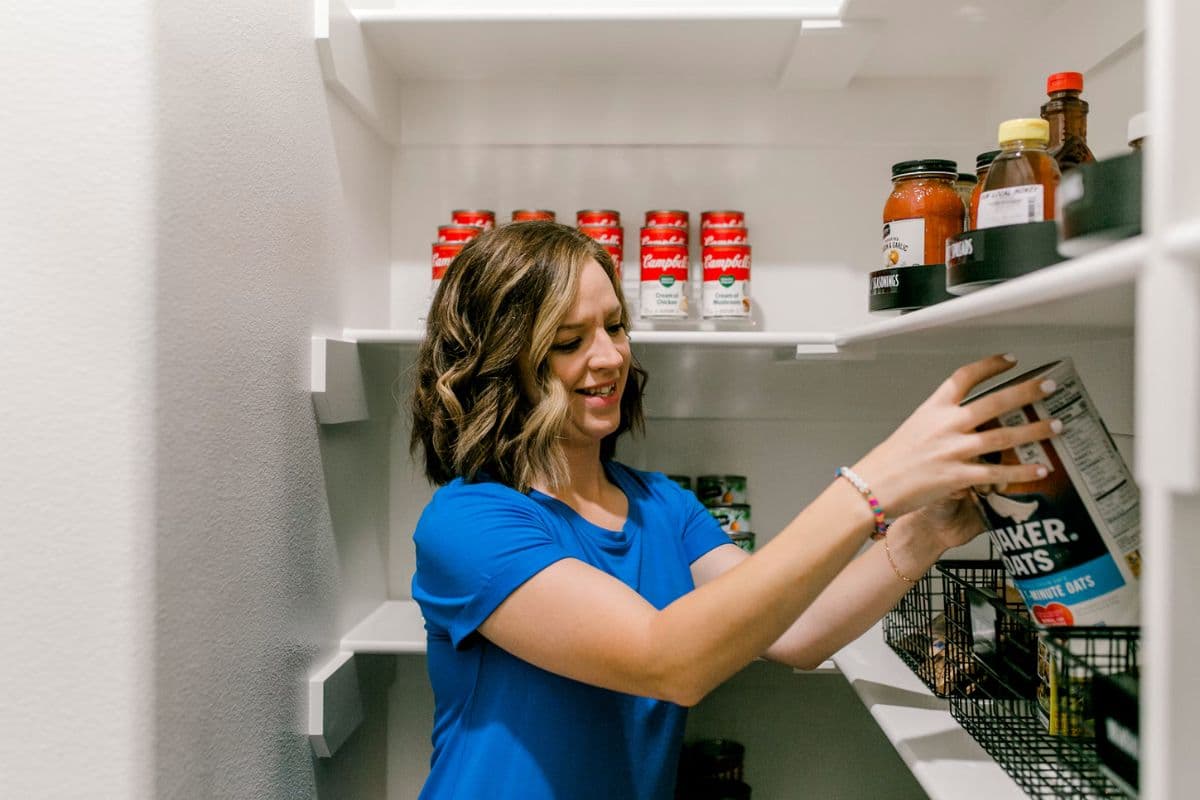
Know what to bring to free food pantries near me and how to prepare for visits. (Image by Unsplash)
4. FAQs about Free Food Pantries Near Me
Questions about eligibility, visit frequency, service areas, and delivery options are common when searching for free food pantries near me. Policies vary by organization, so confirming details directly with the pantry can prevent confusion before your visit.
Do food pantries require proof of income?
Not always. Some food pantries ask for income information or benefit documentation, while others use self-declaration or provide groceries without income verification.
How often can I get free groceries from a food pantry?
Visit frequency depends on the pantry’s policies and available supplies. Some locations allow weekly visits, while others may limit assistance to once or twice per month.
Can I visit a food pantry outside my ZIP code?
Possibly, but some pantries restrict services to residents within specific ZIP codes, counties, or neighborhoods. Others serve anyone in need regardless of where they live.
Are there food pantries that deliver groceries?
Yes, some organizations offer home delivery for seniors, people with disabilities, or households facing transportation barriers. Availability depends on local programs, volunteer capacity, and service-area rules.
5. Final Thoughts
Access to nearby food assistance can ease grocery costs when household budgets become tight. Searching for free food pantries near me is more useful when you also compare distribution schedules, eligibility rules, and required documents before visiting.
TAG Mobile helps eligible households stay connected to local resources, updates, and essential support information. With a little preparation, finding the right pantry can become a simpler and less stressful process.
Share
TAG Blog
Stories, guides, and helpful updates for staying connected.