How to Get Free Food: 15 Tips From Emergency Meals to Delivery Apps
Free meals and groceries are available through more channels than many people realize, from local pantries and community programs to restaurant rewards and emergency assistance. Le...
Quincy D.-Nov 24, 2026
Image by Unsplash
Table of Contents
Free meals and groceries are available through more channels than many people realize, from local pantries and community programs to restaurant rewards and emergency assistance. Learning how to get free food means knowing which options are legitimate, who they are designed for, and how quickly they can help.
1. How to Get Free Food When You Have No Money
Running out of grocery money does not mean your only option is to skip meals.
Several local programs, government benefits, community networks, and restaurant offers can provide immediate or ongoing food support when your budget is stretched.
Call 211 for Emergency Food Assistance
Calling 211 can quickly connect you with nearby food pantries, meal programs, emergency grocery assistance, and other community resources.
For anyone searching how to get free food with no money, this service can be especially useful because specialists may identify programs that are open and accepting visitors in your area.
Available assistance: Food pantries, emergency groceries, and community meal programs.
Additional information: Operating hours, eligibility rules, and distribution schedules.
Best for: People who need help identifying local resources quickly.
Visit Local Food Pantries for Free Groceries
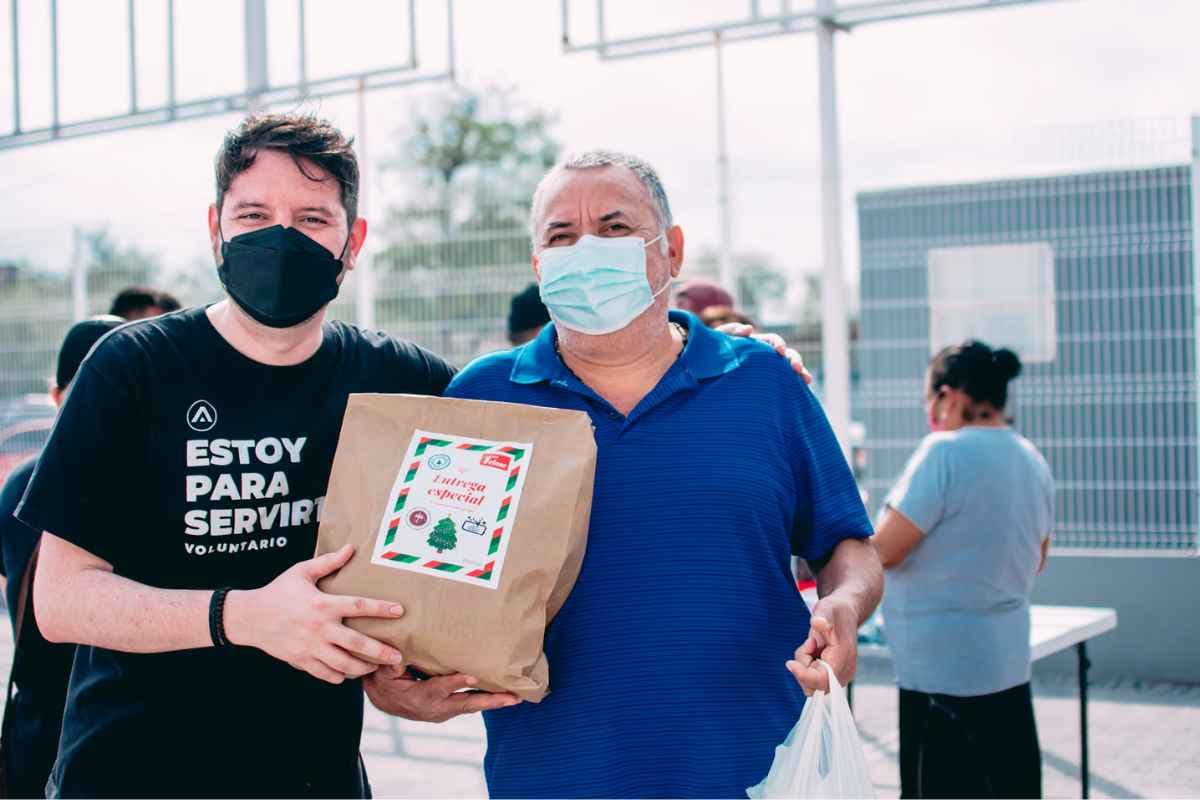
Food pantries distribute groceries that households can prepare at home, often at no cost. Available items depend on donations and inventory, but many locations offer a mix of shelf-stable products and fresh food.
What you may get: Canned goods, rice, pasta, fresh produce, dairy, and frozen foods.
Requirements: Some locations require basic registration, while others have minimal eligibility rules.
Before visiting: Check operating hours and documentation requirements.
Get Hot Meals From Soup Kitchens
Soup kitchens provide prepared meals for people who need something ready to eat immediately. Many operate through shelters, churches, nonprofits, or community organizations and may serve breakfast, lunch, or dinner without extensive paperwork.
What you may get: Hot meals, drinks, bread, and snacks.
Meal schedules: Breakfast, lunch, or dinner at designated times.
Best for: Individuals who need immediate food without cooking or storing groceries.
Find Free Food Through Feeding America
Feeding America connects households with regional food banks and local partner pantries across the United States. Its online locator can help you identify nearby grocery distributions, mobile pantries, and community meal resources based on your ZIP code.
Main service: Connects people with regional food banks and partner agencies.
Available support: Grocery distributions, food pantries, and mobile food programs.
How to use it: Enter your ZIP code to find resources serving your community.
Check Community Fridges and Little Free Pantries
Community fridges and neighborhood pantry boxes allow people to take donated food without going through a formal application process.
Little Free Pantry explains how its neighborhood pantry network provides low-barrier access to donated groceries and essential supplies. These shared spaces can provide quick access to groceries when traditional assistance programs are unavailable.
What you may get: Produce, bread, packaged meals, canned goods, and snacks.
Access: Many operate with few or no formal eligibility requirements.
Availability: Depends on community donations and current supplies.
Join Local Buy Nothing Groups
Buy Nothing groups let neighbors give away items they no longer need, including unopened groceries, pantry staples, garden produce, and occasionally prepared food.
These community networks can provide an additional source of support when traditional assistance is limited.
What you may get: Unopened groceries, household staples, and surplus garden produce.
How to participate: Join a local group and review its community guidelines.
Best for: People looking for informal, neighborhood-based assistance.
Use Food-Sharing Apps
Food-sharing apps connect users with surplus groceries, restaurant items, or food offered by nearby community members. Offers can disappear quickly, so checking regularly may help you find available no-cost food opportunities.
Available offers: Surplus groceries, prepared food, and community food-sharing listings.
How to use them: Check location-based listings and follow pickup instructions.
Important note: Confirm whether an offer is genuinely free, as some platforms also feature discounted food.
Look for Free Food at Churches and Community Centers
Churches, faith-based organizations, and community centers often organize grocery distributions, free meals, or emergency food programs. Some serve anyone in need, while others focus on specific neighborhoods or scheduled distribution days.
What you may get: Grocery boxes, pantry staples, prepared meals, or emergency food supplies.
Who can participate: Depends on the organization’s service area and program requirements.
Before visiting: Contact the location to confirm distribution times and availability.
Apply for SNAP Grocery Benefits
SNAP provides monthly grocery benefits to eligible low-income households through an EBT card. For people exploring how to get free food on a more consistent basis, SNAP can help cover eligible grocery purchases instead of relying solely on emergency food distributions.
USAGov’s SNAP guide explains eligibility requirements and how to apply through your state agency.
Benefit type: Monthly food assistance loaded onto an EBT card.
Eligible purchases: Qualifying groceries at authorized retailers.
How to apply: Submit an application through your state’s SNAP agency and complete any required verification.
Best for: Households needing ongoing help with grocery expenses.
Check WIC Food Assistance Eligibility
WIC supports qualifying pregnant and postpartum women, infants, and children under age five with nutritious foods and other services. Eligible families may receive benefits for specific grocery items designed to support maternal and child nutrition.
What you may get: Milk, eggs, cereal, fruits, vegetables, infant formula, and other approved foods.
Additional support: Nutrition education and breastfeeding assistance.
Eligibility: Depends on income, residency, and categorical requirements.
Access Free School and Summer Meals
Children may qualify for free school breakfasts and lunches, while summer meal programs continue food assistance when school is out. Meals are commonly available through participating schools and approved community locations.
What children may get: Breakfast, lunch, and sometimes take-home meals.
Where to find them: Schools, libraries, recreation centers, and parks.
Best for: Families with school-age children who need reliable meal support during the academic year and summer.
Explore Senior Meal Programs
Older adults may have access to community dining programs, senior center meals, or home-delivered food services. These programs can help seniors maintain regular meals, particularly when limited mobility or difficulty preparing food creates additional challenges.
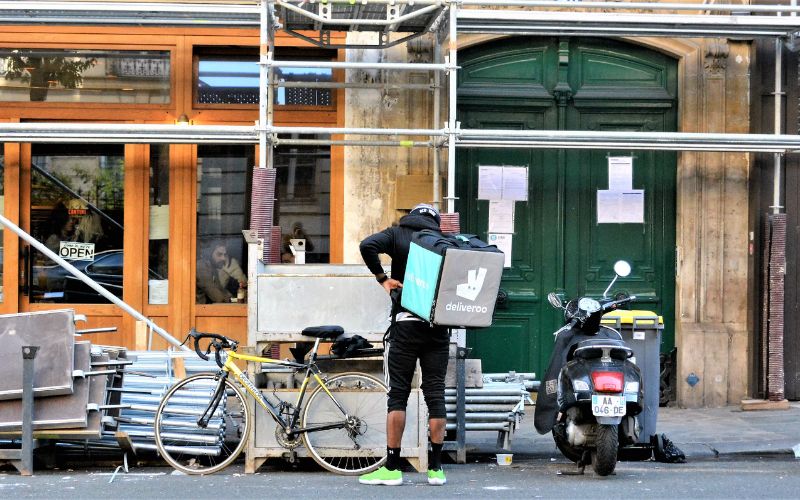
Home delivery can be especially helpful when transportation, mobility, age, or health makes in-person pickup difficult. While searches such as how to get free food on Doordash may surface promotions, truly free delivery is more often available through local charities, senior programs, and community assistance networks.
Ask Food Pantries About Home Delivery
Some food pantries offer delivery for seniors, people with disabilities, or households without reliable transportation. Availability depends on volunteer capacity and service area, so call ahead to ask whether groceries can be delivered and whether registration or eligibility screening is required.
Check Meals on Wheels and Senior Meal Delivery
Meals on Wheels and similar local programs deliver prepared meals to qualifying older adults, especially those who are homebound or have difficulty shopping and cooking.
Eligibility rules vary by community, and some programs may request a contribution while still serving people who cannot afford one.
Find Community Volunteer Delivery Programs
Churches, mutual aid groups, neighborhood organizations, and local nonprofits sometimes coordinate volunteers to deliver groceries or meals directly to residents.
These services may be temporary or limited to certain ZIP codes, so local community directories and 211 can help identify active options.
Explore Food Assistance for People With Disabilities
People with disabilities may qualify for grocery delivery, prepared meal services, or transportation support through local agencies and nonprofit programs. Some services are designed specifically for individuals who cannot easily travel to a pantry or prepare meals without assistance.
Look for Grocery Delivery Options Through Local Charities
Local charities may deliver grocery boxes, emergency food packages, or pantry staples to eligible households. Delivery frequency, service boundaries, and documentation requirements vary, so contacting several nearby organizations can improve your chances of finding help that reaches your home.
Find free food delivery through local charities, senior services, and community assistance programs. (Image by Unsplash)
3. How to Make Free Food Assistance Last Longer
Free groceries can stretch much further when you plan meals around what you receive instead of treating each item separately.
Once you know how to get free food, a few simple habits can help reduce waste and make each pantry box or meal distribution more useful.
Plan Meals Around What You Receive: Check pantry items first, then build meals around proteins, grains, vegetables, and other ingredients already available.
Use Perishable Foods First: Eat fresh produce, dairy, bread, and other short-life items before opening canned or shelf-stable foods.
Freeze Extras When Possible: Freeze bread, meat, prepared meals, and certain produce before they spoil so you can use them later.
Combine Pantry Staples: Pair rice, pasta, beans, canned vegetables, and sauces to create filling meals without needing many additional ingredients.
Track Expiration Dates: Arrange foods by which items should be used first and check labels regularly to prevent unnecessary waste.
Supplement With Other Programs: SNAP, WIC, school meals, senior nutrition programs, and local giveaways can help reduce how quickly pantry supplies run out.
4. Beyond Free Food: More Benefits Worth Exploring
Reducing grocery costs can create breathing room, but other monthly expenses may still put pressure on the household budget. Beyond food assistance, eligible households may also qualify for support with essential communication services through the federal Lifeline program.
Save on Monthly Phone or Internet Costs With Lifeline
Lifeline is a federal benefit that helps qualifying low-income consumers reduce the cost of phone or internet service. Eligibility is generally based on household income or participation in certain government assistance programs.
You may qualify through one of these pathways:
Program-Based Eligibility: Participate in SNAP, Medicaid, Supplemental Security Income (SSI), Federal Public Housing Assistance (FPHA), Veterans Pension or Survivors Benefit, or certain qualifying Tribal assistance programs.
Income-Based Eligibility: Have a household income at or below 135% of the Federal Poverty Guidelines.
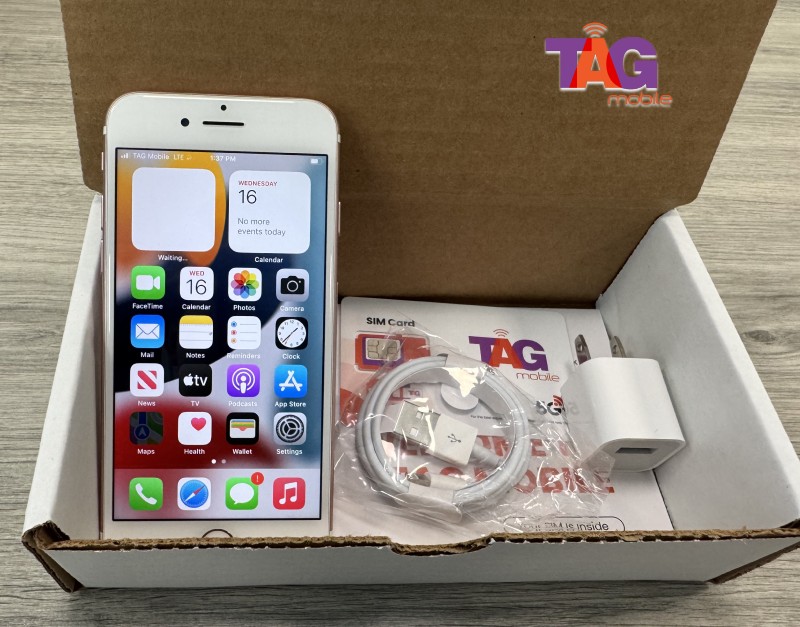
TAG Mobile is an Eligible Telecommunications Carrier (ETC) offering Lifeline-supported wireless service to qualifying customers.
While the federal benefit helps lower monthly service costs, free or discounted phones are separate provider promotions. Device availability and pricing may vary depending on your ZIP code, eligibility, inventory, and current offers.
TAG Mobile Plan Features and Device Offers
TAG Mobile’s Lifeline plans come with several features that can help eligible customers stay connected while managing recurring wireless expenses.
Depending on the available plan and location, benefits may include:
Unlimited Talk and Text: Stay connected through unlimited domestic calls and text messages.
Free International Calling: Make international calls to more than 200 countries and territories.
Free Wi-Fi Calling: Make calls over a Wi-Fi connection without using cellular coverage.
Free SIM Kit or eSIM: Get a SIM kit or eSIM at no additional cost, subject to device compatibility.
Free Shipping: Receive eligible device orders with free shipping.
Nationwide Coverage: Access wireless coverage across the country.
Calling Features: Use Caller ID, Call Waiting, 3-Way Calling, and Voicemail.
Dedicated Customer Support: Get assistance with your wireless service and account.
Free Calls to 911: Access emergency calling, although service may not work in all situations.
Some additional features are listed as coming soon rather than currently available:
International Roaming: Planned availability in 70 countries and territories, with charges applying.
5G Hotspot: Planned 5G-speed hotspot capacity, with charges applying.
A device (free or discounted) along with a data plan through TAG Mobile guarantees to elevate your daily life.
Note: Eligibility varies by state and program. Offers depend on availability and qualifications. TAG Mobile operates under the federal Lifeline Program as an Eligible Telecommunications Carrier (ETC). Service is non-transferable and limited to one service per household.
5. Final Thoughts
Stretching a limited budget often works best when several resources support one another. Knowing how to get free food can connect you with meals, groceries, delivery programs, and community assistance that reduce immediate pressure.
SNAP recipients may also qualify for Lifeline, and TAG Mobile gives eligible households a practical way to cut wireless costs while exploring available free or discounted device offers.
Share
TAG Blog
Stories, guides, and helpful updates for staying connected.