Some letters make a food list effortless, while others require a little more curiosity. U may not appear at the beginning of many everyday food names, but looking beyond the familiar reveals plenty of interesting possibilities.
Food that starts with U spans different cultures, ingredients, and culinary traditions, with some names you may recognize and others that could be completely new. The list ahead offers a chance to expand both your food vocabulary and your tasting wish list.
1. Is There a Food That Starts with U?
Yes. Plenty of foods begin with U, although many come from cuisines and languages outside everyday American cooking.
Looking beyond familiar menus reveals an impressive variety of ingredients and traditional dishes.
- Common global examples: Popular choices include Japanese staples like udon and unagi, Jamaican ugli fruit, and African or South Asian essentials such as ugali, upma, and urad dal.
- Diverse culinary roles: The letter U spans almost every food category, ranging from fresh fruits, grains, and specialty noodles to comforting soups, regional cheeses, and sweet desserts.
2. 30 Foods That Start With U
The letter U might not dominate everyday menus, but it appears in a surprising variety of traditional dishes, fruits, vegetables, and desserts.
If you are wondering what is a food that starts with the letter U, these 35 examples reveal how different cultures transform familiar ingredients into distinctive culinary specialties.
Udon
Udon is a traditional Japanese noodle known for its thick strands and pleasantly chewy texture. Its mild flavor makes it easy to pair with different broths, sauces, and toppings, so the dish can be enjoyed in both hot and cold preparations.
- Ingredients: Wheat flour, water, and salt.
- How to serve: Add the noodles to hot broth, serve them chilled with dipping sauce, or stir-fry them with vegetables.
Ube
The vivid purple color of ube makes this Filipino ingredient instantly recognizable in many desserts.
This yam has a naturally sweet, earthy flavor that works well in both traditional recipes and modern baked goods.
- Ingredients: Purple yam, often combined with milk, sugar, and butter in dessert recipes.
- How to serve: Use ube in ice cream, cakes, pastries, or traditional Filipino sweets such as ube halaya.
Ugali
Across parts of East Africa, ugali serves as a filling staple that accompanies many everyday meals. Its firm texture and mild corn flavor make it ideal for scooping up sauces and stews without overpowering their seasonings.
- Ingredients: Maize flour and water.
- How to serve: Shape the cooked mixture into a firm portion and eat it alongside vegetable stews, meat, or savory sauces.
Unagi
A glossy glaze and smoky aroma distinguish unagi from many other Japanese seafood dishes, making it a celebrated food that starts with u.
This preparation of freshwater eel has a rich flavor that pairs particularly well with plain rice and simple accompaniments.
- Ingredients: Freshwater eel, commonly seasoned with a sweet-savory sauce made with soy sauce, sugar, and mirin.
- How to serve: Grill the eel and serve it over steamed rice or use it as a sushi topping.
Uni
For seafood enthusiasts, uni offers a rich, creamy experience unlike that of most cooked fish. The edible portion of a sea urchin has a delicate texture and a distinctive taste of the sea, making freshness especially important.
- Ingredients: The edible gonads of sea urchins, known for their delicate texture and briny flavor.
- How to serve: Serve fresh uni as sushi or sashimi, often with rice and a small amount of wasabi.
Upma
A warm bowl of upma is a popular South Indian breakfast, especially for those who enjoy savory morning meals. The semolina base absorbs the flavors of aromatic spices and vegetables, creating a soft, satisfying dish that can be customized to taste.
- Ingredients: Roasted semolina, water, oil or ghee, mustard seeds, curry leaves, and optional vegetables.
- How to serve: Cook the mixture until thick and fluffy, then serve warm with chutney or a garnish of fresh herbs.
Umeboshi
Known for its intense sourness and saltiness, umeboshi brings a bold flavor to traditional Japanese meals. These pickled ume fruits are usually eaten in small quantities, adding a sharp contrast to the mild taste of rice and other staples.
- Ingredients: Ume fruit, salt, and sometimes red shiso leaves.
- How to serve: Place one pickled fruit beside steamed rice, tuck it into an onigiri rice ball, or use a little to season rice dishes.
Ugli fruit
With its wrinkled rind and juicy interior, ugli fruit offers a distinctive take on familiar citrus. Originating in Jamaica, this hybrid fruit combines sweet and tart notes, making it suitable for both fresh eating and refreshing drinks.
- Ingredients: The fruit itself, a citrus hybrid related to grapefruit, orange, and tangerine.
- How to serve: Peel and eat it fresh, add the segments to fruit salads, or squeeze the juice for a refreshing drink.
Uthappam
Unlike thin dosa, uthappam is a thicker South Indian pancake that often features colorful toppings. Its soft center and lightly crisp edges provide a base for vegetables and spices, while fermented batter gives it a subtle tang.
- Ingredients: Fermented rice-and-lentil batter, onions, tomatoes, chilies, and optional herbs.
- How to serve: Cook it on a griddle until golden on both sides, then serve with coconut chutney and sambar.
Urad dal
Urad dal is a versatile legume that plays a central role in numerous Indian recipes. Also known as black gram, it can create hearty lentil dishes or contribute body and texture to fermented batters used in popular South Indian foods.
- Ingredients: Whole or split black gram, water, and seasonings that vary by recipe.
- How to serve: Cook it into a seasoned dal, or use it in fermented batter for dishes such as idli and dosa.
Ube halaya
A rich, creamy texture and striking purple hue make ube halaya a recognizable Filipino dessert. The mixture is cooked slowly until thick, allowing the yam’s earthy sweetness to blend with the richness of dairy ingredients.
- Ingredients: Grated purple yam, milk, sugar, and butter.
- How to serve: Cook the mixture until thick, then serve it as a chilled dessert or use it as a filling or topping for other sweets.
Urap
Urap brings together fresh vegetables and fragrant coconut in a traditional Indonesian side dish, offering a unique food that starts with U for plant-based meals.
The combination of tender vegetables and seasoned grated coconut creates a balance of freshness, nuttiness, and gentle heat.
- Ingredients: Cooked or blanched vegetables, grated coconut, chilies, garlic, and other seasonings.
- How to serve: Toss the vegetables with seasoned coconut and serve at room temperature alongside rice or grilled dishes.
Ukha
This traditional Russian fish soup relies on a clear broth to highlight the natural flavor of seafood. Rather than using a thick, creamy base, ukha typically combines fish with simple vegetables and herbs for a warming, delicate meal.
- Ingredients: Fish, water or stock, potatoes, onions, herbs, and seasonings.
- How to serve: Simmer the ingredients into a clear soup and serve hot, with fresh herbs for garnish.
Uszka
Small, folded dumplings known as uszka are a traditional feature of Polish holiday cooking. Their name means little ears, referring to their distinctive shape, and their compact size makes them especially suitable for serving in soup.
- Ingredients: Dough made from flour, water, and egg, with a filling commonly made from mushrooms or meat.
- How to serve: Boil the dumplings and serve them in barszcz, a Polish beet soup, or alongside a clear broth.
Umbu
Native to Brazil, umbu is a small fruit prized for its juicy flesh and tangy taste.
Commonly known as Brazil plum, it grows on the umbuzeiro tree and is particularly associated with the country’s semi-arid northeast, where its refreshing flavor suits a range of fruit preparations.
- Ingredients: Fresh umbu fruit, sometimes combined with water or sugar for drinks and preserves.
- How to serve: Eat the ripe fruit fresh or blend its pulp into juices, smoothies, and other refreshing preparations.
Ulluco
Colorful skin and a slightly waxy texture set ulluco apart from more familiar root vegetables. This Andean tuber comes in several bright shades and holds its shape well during cooking, making it a useful addition to hearty regional dishes.
- Ingredients: Ulluco tubers, oil, salt, herbs, and optional vegetables or spices.
- How to serve: Boil, sauté, or add the tubers to stews, seasoning them to complement their mild flavor.
Udo
Udo is a Japanese mountain vegetable valued for its crisp bite and mildly bitter taste. The young stems are often prepared in ways that preserve their freshness, while cooking can soften their sharper notes and make them more versatile.
- Ingredients: Young udo shoots, with simple seasonings or a light batter depending on the recipe.
- How to serve: Slice the shoots into salads, add them to soups, or coat them in batter and fry them as tempura.
Upland cress
A peppery bite gives upland cress a role in dishes that benefit from a fresh, sharp flavor. This leafy green resembles watercress and can brighten heavier meals without requiring elaborate preparation.
- Ingredients: Fresh upland cress leaves and stems, often paired with other salad vegetables or a light dressing.
- How to serve: Add the leaves raw to salads and sandwiches, or stir them into soups shortly before serving.
Umbricelli
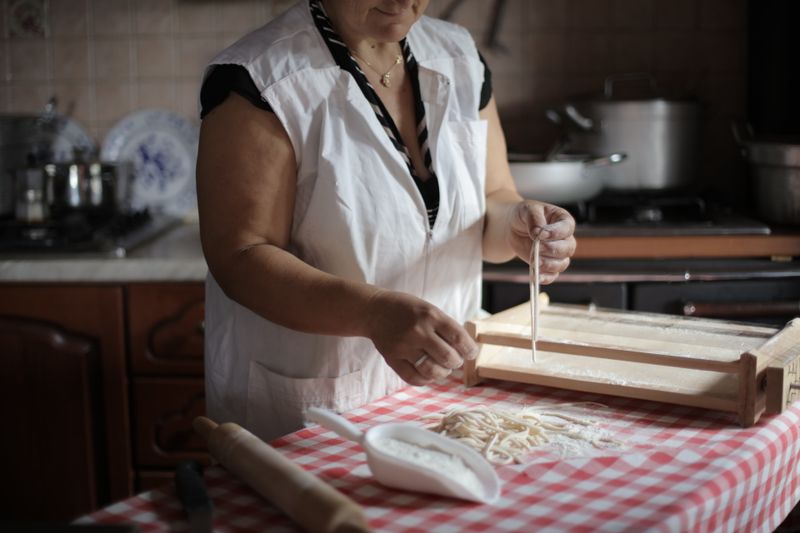
Umbricelli, aka Pici, is a traditional pasta from Italy’s Umbria region, recognized for its thick, hand-rolled strands.
Its dense, chewy texture helps it stand up to substantial sauces, making it a satisfying choice for rustic Italian meals.