What Is a Food That Starts With S? Incredible Foods You Might Not Know
Some letters make an alphabet food challenge surprisingly easy, and S delivers an especially colorful lineup. Exploring food that starts with S brings together tropical fruits, fre...
Quincy D.-Oct 31, 2026
Image by Pexels
Table of Contents
Some letters make an alphabet food challenge surprisingly easy, and S delivers an especially colorful lineup. Exploring food that starts with S brings together tropical fruits, fresh seafood, comforting soups, popular snacks, spices, and dishes rooted in cuisines around the world.
From familiar strawberries and spaghetti to shakshuka and spanakopita, these foods offer plenty of inspiration for cooking, tasting, or simply expanding your culinary vocabulary.
1. What Is a Food That Starts With S?
The letter S covers an impressive range of ingredients and dishes, so there’s no shortage of answers when someone asks what is a food that starts with the letter S. These familiar and international choices below give you plenty to work with.
Strawberry
Strawberries are juicy red berries known for their sweet-tart flavor. They’re enjoyed fresh or added to smoothies, cakes, salads, jams, and desserts.
Salmon
Salmon is a flavorful oily fish rich in protein and omega-3 fatty acids. It can be grilled, baked, poached, smoked, or served raw in suitable preparations.
Sushi
Sushi is a Japanese dish made with vinegared rice and ingredients such as seafood, vegetables, or egg. Common varieties include:
Nigiri: Hand-pressed rice topped with fish or other ingredients.
Maki: Rice and fillings rolled in seaweed and sliced into pieces.
Temaki: Hand-rolled seaweed cones filled with rice and other ingredients.
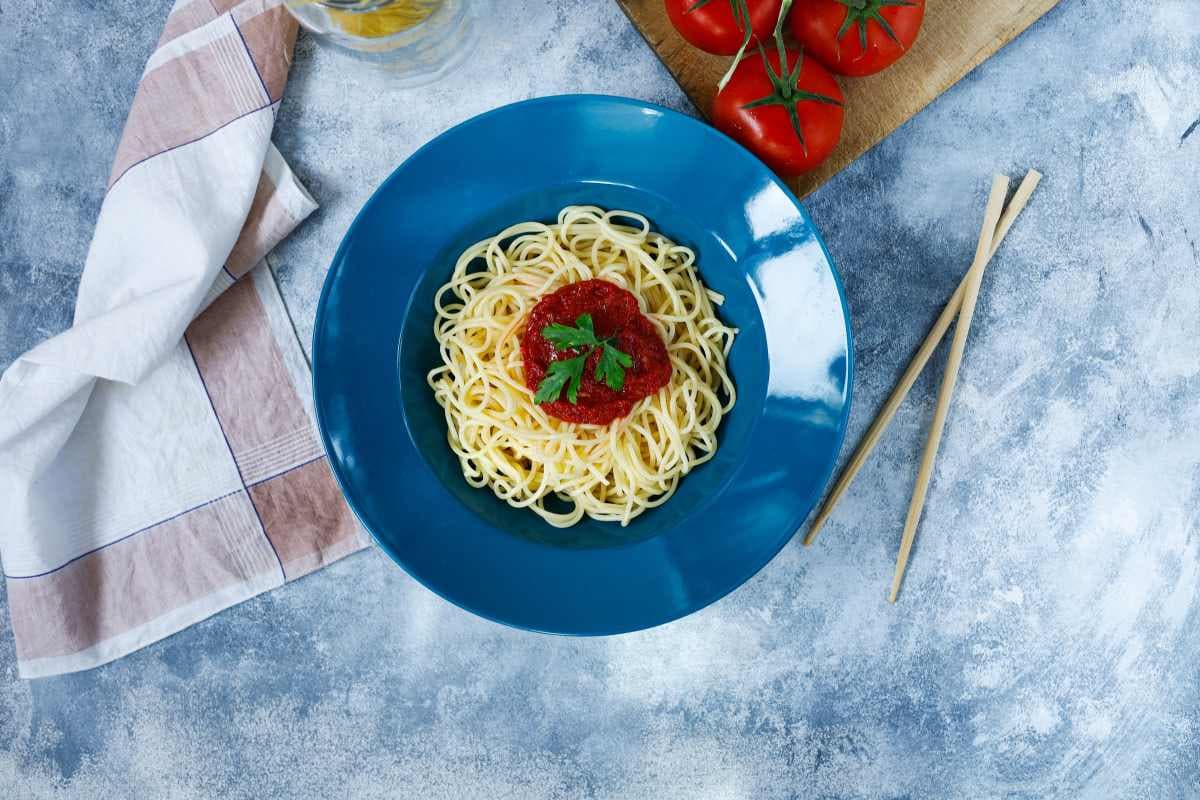
Spaghetti
Spaghetti is long, thin Italian pasta served with countless sauces and toppings. Popular combinations include tomato sauce and meatballs, carbonara-style sauce, seafood, and simple garlic-and-oil preparations.
Samosa
Samosas are crisp pastries commonly filled with spiced potatoes, peas, lentils, or meat. They’re especially popular across South Asian cuisines and are frequently served with chutney.
Shakshuka
If someone asks you to name a food that starts with the letter S, shakshuka offers a flavorful option beyond more familiar choices. It features eggs cooked in a tomato and pepper sauce, often seasoned with spices, and is particularly associated with North African and Middle Eastern cuisines.
Spanakopita
Spanakopita is a Greek savory pastry made with flaky phyllo surrounding a spinach-and-cheese filling. Feta, herbs, and seasonings give it a rich, tangy character. It can be baked as a large pie or prepared in individual triangular portions.
Sauerkraut
Sauerkraut is finely shredded cabbage fermented to develop its characteristic sour flavor. It’s commonly served alongside sausages, roasted meats, sandwiches, and other dishes in Central and Eastern European cuisines.
Scallops
Scallops are shellfish prized for their delicate sweetness and tender texture. This seafood-based food that starts with Scan be seared, grilled, baked, or incorporated into pasta and other seafood dishes.
Shrimp
Shrimp is a versatile shellfish enjoyed in cuisines worldwide. Depending on the recipe, it can be:
Grilled or fried as a main dish
Boiled or steamed and served with dipping sauce
Added to soups, curries, pasta, and stir-fries
Sardines
Sardines are small oily fish commonly sold fresh or canned. Their bold flavor works well with toast, pasta, salads, crackers, and Mediterranean-inspired dishes.
Sweet Potato
Sweet potatoes are naturally sweet root vegetables with orange, purple, or pale flesh depending on the variety. They can be roasted, mashed, baked, fried, or added to soups.
Spinach
Spinach is a leafy green eaten raw or cooked. Its mild flavor makes it easy to incorporate into salads, soups, pasta, omelets, curries, and smoothies.
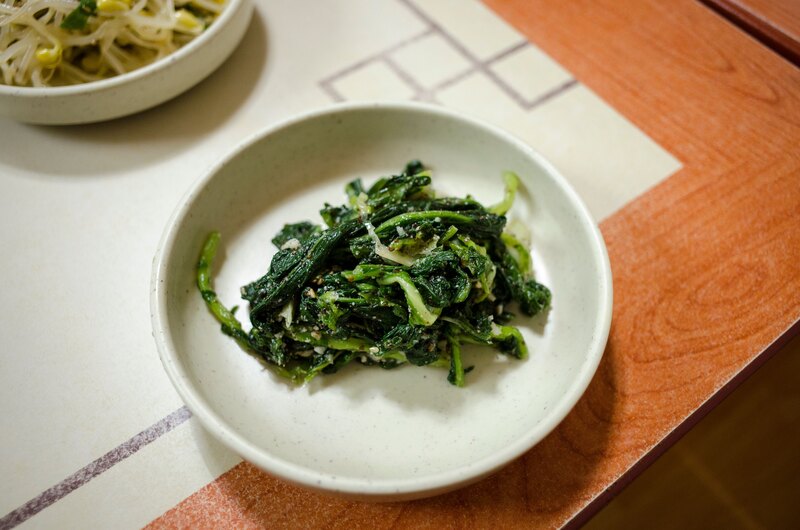
Spinach is a leafy green eaten raw or cooked. (Image by Pexels)
Squash
Squash includes numerous varieties ranging from zucchini and yellow summer squash to butternut and acorn squash. Preparation methods include roasting, grilling, steaming, stuffing, and puréeing.
Shallots
Shallots belong to the allium family and offer a delicate onion-like flavor. They work particularly well in sauces, dressings, stir-fries, roasted dishes, and vinaigrettes.
Starfruit
Starfruit, also called carambola, develops distinctive star-shaped slices when cut crosswise. Its juicy flesh ranges from tart to mildly sweet, giving anyone trying a new food that starts with S an easy option to enjoy fresh.
Soursop
Soursop is a tropical fruit with creamy white flesh and a sweet-tart flavor. It’s frequently used in beverages, smoothies, frozen desserts, and other sweet preparations.
Sapodilla
Sapodilla is a tropical fruit with soft brown flesh and an intensely sweet flavor often compared with caramel or brown sugar. It’s generally eaten fresh when fully ripe.
Sesame
Sesame seeds bring a nutty flavor and subtle crunch to many dishes. They’re used in breads, sauces, sweets, stir-fries, salads, tahini, and numerous Asian preparations.
Saffron
Saffron is a highly prized spice collected from Crocus sativus flowers. Small quantities add distinctive aroma, flavor, and golden color to dishes such as paella and risotto.
Sage
Sage is an aromatic herb with earthy, slightly peppery notes. It pairs especially well with poultry, pork, butter sauces, stuffing, squash, and other rich savory foods.
Salsa
Salsa encompasses numerous sauces and condiments, particularly within Mexican cuisine. Common ingredients include:
Tomatoes or tomatillos
Chilies and onions
Herbs such as cilantro
Fruit in some sweet or spicy variations
The ingredients and preparation determine whether a salsa tastes mild, tangy, or intensely spicy.
Salami
Salami is a cured sausage traditionally made with seasoned meat. Different regional varieties offer distinctive textures and flavors and are commonly served in sandwiches, pizzas, or charcuterie spreads.
Schnitzel
Schnitzel consists of a thin piece of meat that’s breaded and fried until crisp. Versions made with veal, pork, or chicken appear across several European cuisines. Wiener schnitzel, the well-known Austrian version, traditionally uses veal.
Satay
Satay features seasoned meat grilled on skewers and is especially associated with Southeast Asian cuisine. It’s often served with a rich peanut-based dipping sauce, although accompaniments can vary by region. This makes it a flavorful addition to any roundup of food that starts with S.
Spring Rolls
Spring rolls wrap vegetables and sometimes meat or seafood inside thin wrappers. Depending on the regional style, they may be served fresh or fried until crisp.
Shepherd’s Pie
Shepherd’s pie traditionally combines seasoned minced lamb with vegetables beneath a layer of mashed potatoes. The dish is baked until hot, creating a hearty comfort-food classic. A similar dish made with minced beef is generally called cottage pie.
Soufflé
Soufflé is a light, airy baked dish made using beaten egg whites. Both sweet and savory variations exist, including chocolate, cheese, and vegetable versions.
Shortbread
Shortbread is a rich, crumbly biscuit traditionally associated with Scotland. Its simple combination of butter, sugar, and flour produces a delicate texture and buttery flavor.
Sorbet
Sorbet is a frozen dessert generally made from fruit, sugar, and water without dairy. Its refreshing flavor makes it a popular alternative to richer frozen desserts.
2. Which S-Foods Offer the Best Health and Nutritional Benefits?
Some S-foods stand out for much more than flavor, delivering valuable protein, fiber, healthy fats, vitamins, minerals, and beneficial plant compounds. If you want a nutrient-dense food that starts with S, these choices are especially worth adding to a balanced diet.
Salmon
Salmon provides high-quality protein and omega-3 fatty acids, particularly EPA and DHA, which support normal heart and brain function. It’s also a good source of several essential nutrients:
Vitamin B12: Helps maintain healthy nerve cells and supports red blood cell production.
Vitamin D: Supports calcium absorption and bone health.
Selenium: Helps protect cells from oxidative damage and supports thyroid function.
Exact nutrient amounts vary by species, whether the salmon is wild or farmed, and how it’s prepared. Baking, grilling, or poaching are simple ways to prepare it without adding excessive fat.
Sardines
Sardines pack protein, omega-3 fatty acids, vitamin B12, and selenium into a small serving. Their nutritional value is especially notable when eaten whole:
Protein: Supports muscle maintenance and tissue repair.
Omega-3 fatty acids: Provide EPA and DHA, which support heart and brain health.
Calcium: Canned sardines with their edible bones can provide substantial amounts for bone health.
Vitamin B12: Supports normal nerve function and red blood cell formation.
Canned sardines are convenient, but it’s worth checking the sodium content, especially in salted or seasoned varieties.
Spinach
Spinach is a nutrient-rich leafy green that provides several vitamins and minerals while adding fiber to meals. Its most notable nutrients include:
Vitamin K: Supports normal blood clotting and bone health.
Folate: Helps the body make DNA and form healthy cells.
Beta-carotene: A plant compound the body can convert into vitamin A, which supports vision and immune function.
Iron and magnesium: Help support oxygen transport, muscle function, and other normal body processes.
Spinach can be eaten raw in salads or cooked into soups, omelets, pasta, and other meals. Cooking reduces its volume, making it easier to eat a larger amount in one serving.
Sweet Potatoes
Sweet potatoes provide fiber, potassium, and several vitamins, with orange-fleshed varieties being particularly rich in beta-carotene. This plant pigment gives them their orange color and can be converted into vitamin A, which supports healthy vision and immune function.
They also provide vitamin B6, which helps the body use protein and supports normal brain development and function. Roasting or baking brings out their natural sweetness and makes them an easy addition to meals without requiring elaborate preparation.
Strawberries
Strawberries provide vitamin C, fiber, and beneficial plant compounds while being relatively low in calories. Their nutritional benefits include:
Vitamin C: Supports immune function, collagen production, and wound healing.
Fiber: Helps support digestion and regular bowel movements.
Anthocyanins and other plant compounds: Give strawberries their color and contribute antioxidant activity.
Add them to oatmeal, yogurt, and salads, or simply enjoy them fresh. They’re also a useful way to add natural sweetness to meals and snacks.
Sesame Seeds
Sesame seeds contain unsaturated fats, protein, fiber, and minerals such as calcium, magnesium, iron, and zinc. These nutrients contribute to several normal body functions:
Calcium: Helps maintain strong bones and teeth.
Magnesium: Supports muscle and nerve function.
Iron: Helps the body produce hemoglobin, which carries oxygen in the blood.
Unsaturated fats: Provide energy and contribute to a balanced dietary fat intake.
Sprinkle sesame seeds over salads, vegetables, rice, or noodles for extra flavor and texture. Tahini, a paste made from ground sesame seeds, is another convenient way to include them in meals.
Squash
Nutritional content varies by variety, but squash can contribute fiber, potassium, vitamins, and beneficial plant compounds. Different types offer different nutritional strengths:
Butternut squash: Rich in beta-carotene, which the body converts into vitamin A.
Acorn squash: Provides fiber, potassium, and vitamins A and C.
Zucchini and yellow summer squash: Offer vitamin C, potassium, and smaller amounts of other vitamins and minerals.
Squash is also relatively low in calories and can add volume and variety to meals. Roasting, steaming, or adding it to soups are simple ways to enjoy it.
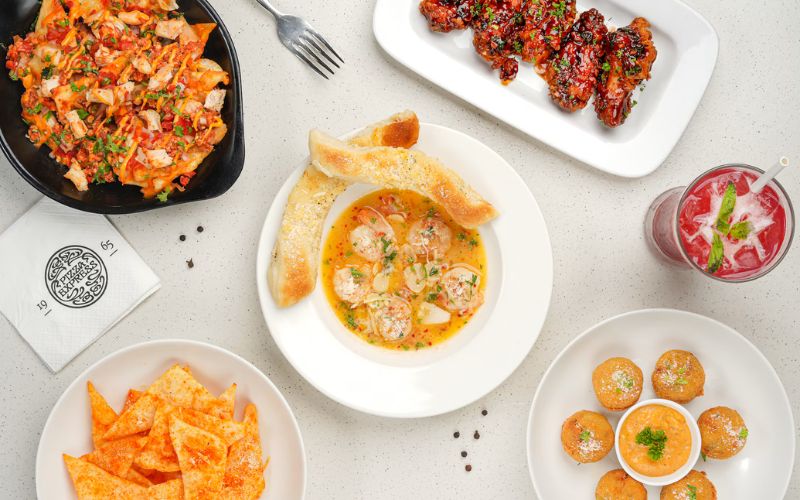
Nutrient-rich S-foods provide protein, fiber, healthy fats, vitamins, minerals, and beneficial plant compounds. (Image by Unsplash)
3. Which Foods Starting With S Are Easiest to Find in Grocery Stores?
No specialty shopping trip is necessary for many items on the S-list. From fresh produce to pasta and pantry staples, finding a food that starts with S can be as simple as walking through an ordinary supermarket.
Strawberries
Fresh strawberries are widely available in produce departments, while frozen versions are easy to find year-round. They’re convenient for snacks, smoothies, breakfasts, desserts, and salads.
Spinach
Spinach appears in several convenient forms, including fresh bunches, bagged baby spinach, and frozen packages. That versatility makes it particularly easy to use in both raw and cooked meals.
Sweet Potatoes
Sweet potatoes are common produce staples with a relatively long storage life when kept properly. They work well baked, roasted, mashed, air-fried, or incorporated into soups and stews.
Salmon
Many supermarkets sell salmon fresh, frozen, smoked, or canned. Different cuts and package sizes make it possible to choose an option suited to anything from quick lunches to family dinners.
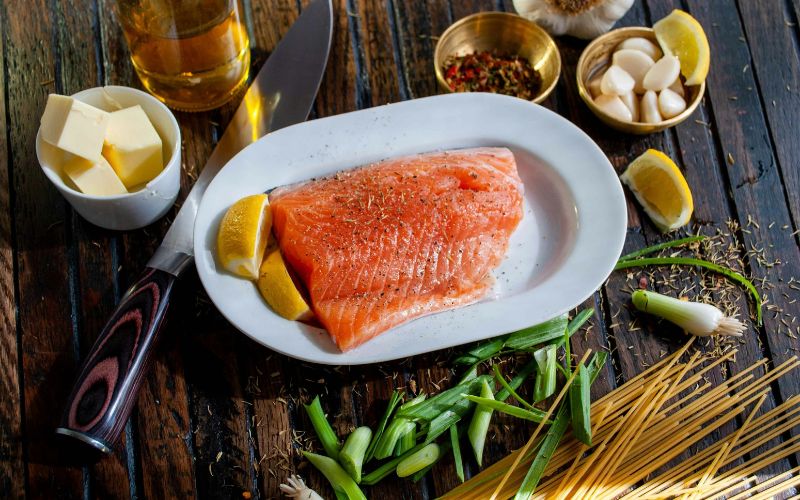
Fresh, frozen, smoked, and canned salmon are widely available in supermarkets (Image by Unsplash)
Spaghetti
Spaghetti is among the easiest S-foods to keep in the pantry and a particularly familiar food that starts with S in American grocery stores. Stores typically offer traditional wheat pasta alongside whole-grain, gluten-free, and other alternative varieties.
Salsa
Jarred salsa is widely available in mild, medium, and hot varieties, while many stores also carry refrigerated fresh versions. It pairs easily with tacos, eggs, bowls, and tortilla chips.
Squash
Supermarkets commonly stock zucchini and other summer squash, while butternut, acorn, and additional winter varieties become especially prominent seasonally. Each type works with different cooking methods and recipes.
4. FAQs about Foods That Start With S
The S category makes alphabet food challenges especially flexible because it includes nutritious produce, convenient snacks, fermented foods, and familiar pantry staples. These quick answers can help you pick an option for healthy eating, digestion, or even your next word game.
Are there any healthy snacks that start with S?
Yes. Strawberries, sliced sweet peppers, sunflower seeds, and small portions of sardines with whole-grain crackers can all make nutritious snacks, depending on your dietary needs. With plenty of variety, it’s easy to turn a food that starts with S into a simple snack. When choosing packaged options, compare labels if you want to limit added sugars or sodium.
Do fermented foods in this category help with digestion?
Some fermented S-foods, including certain types of sauerkraut, may contain live microorganisms. However, not every fermented food contains live cultures at the time you eat it, and foods containing live microorganisms do not automatically provide proven probiotic benefits. Check the product label when live cultures are what you’re looking for.
What is an easy S food for Scattergories?
Sushi is a short, familiar answer that’s easy to remember, while spaghetti, salmon, salsa, and samosa are also straightforward choices. For a less obvious response that may help you stand out, try spanakopita, sapodilla, or shakshuka.
Final Thoughts
The letter S brings together an impressive variety of foods, making it easy to move beyond familiar favorites and discover something different. Food that starts with S can inspire new recipes, expand your food vocabulary, or add more variety to an alphabet challenge. Choose a few names that spark your curiosity and make them part of your next tasting experience.
Share
TAG Blog
Stories, guides, and helpful updates for staying connected.