Food That Starts With K: 40+ Dishes From Around the World
Some letters make a food list surprisingly difficult, but K opens up more possibilities than you might expect. Across different countries and cuisines, food that starts with K can...
Quincy D.-Oct 26, 2026
Image by Unsplash
Table of Contents
Some letters make a food list surprisingly difficult, but K opens up more possibilities than you might expect. Across different countries and cuisines, food that starts with K can appear in many forms, from everyday staples and fresh ingredients to traditional dishes and sweet treats.
Some names may already sound familiar, while others could introduce you to an entirely new flavor or culinary tradition. The 40 picks ahead show just how varied one letter can make your next food discovery.
1. Food that Starts with K: 40 Most Popular Dishes to Try
The letter K crosses cuisines and continents surprisingly well, appearing in everything from fermented vegetables and grilled meats to noodles, pastries, fruits, and cheeses.
Kimchi
A staple of Korean cuisine, kimchi gets its distinctive tangy flavor from fermenting vegetables with seasonings.
Key ingredients: Napa cabbage or radish seasoned with Korean spices.
Preparation and serving: Fermented until its flavor develops, then served as a side dish or used in other Korean recipes.
Kebab
Across several regions, kebab takes many forms, from grilled skewers to dishes made with seasoned ground meat.
Key ingredients: Beef, lamb, chicken, or other ingredients depending on the regional recipe.
Preparation and serving: Cooked as skewers, sliced meat, or ground-meat dishes, often served with bread or other accompaniments.
Kiwi
With fuzzy brown skin and juicy flesh, kiwi offers a refreshing balance of sweetness and tartness.
Key ingredients: Green or golden kiwi flesh with a sweet-tart flavor.
Preparation and serving: Eaten fresh or added to smoothies, fruit salads, and desserts.
Katsu
Japanese cuisine features katsu as a crispy breaded cutlet, typically made with meat and fried until golden.
Key ingredients: Pork or chicken coated in breadcrumbs.
Preparation and serving: Fried until golden, sliced, and commonly served with rice, shredded cabbage, and sauce.
Katsudon
For a hearty Japanese meal, katsudon combines a fried cutlet with egg and onions in a savory sauce over rice.
Key ingredients: Katsu, egg, onions, and sauce.
Preparation and serving: Simmered briefly and placed over steamed rice.
Karaage
Crisp on the outside and juicy inside, karaage is a popular Japanese fried dish, especially when prepared with bite-sized chicken pieces.
Key ingredients: Chicken seasoned with ginger, garlic, and soy-based flavors.
Preparation and serving: Lightly coated and fried until crisp, then served as a main dish or snack.
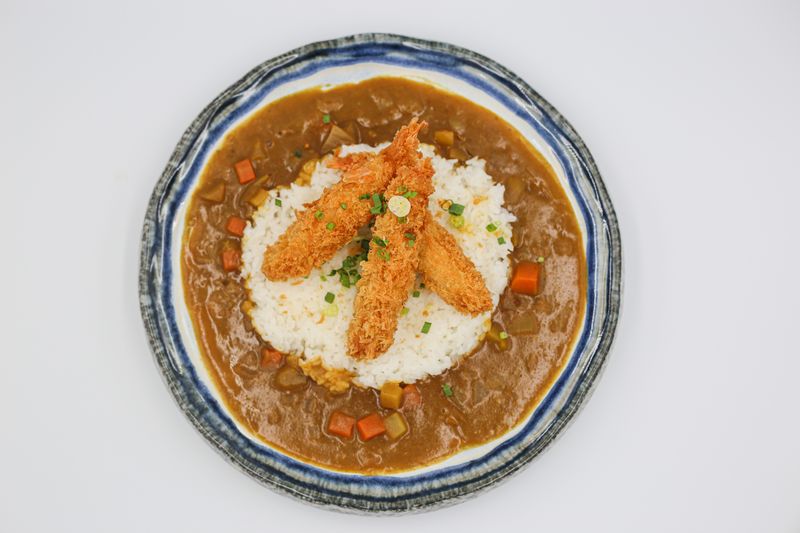
Kare raisu
A thick curry sauce gives kare raisu, or curry rice, its comforting character, making this Japanese rice dish a familiar home-cooked favorite.
Key ingredients: Curry sauce with meat and vegetables.
Preparation and serving: Simmered until the ingredients are tender and served over steamed rice.
Kare Raisu (カレーライス) or Japanese curry rice, is one of Japan’s most popular comfort foods. (Image by Pexels)
Kalbi
Sweet and savory marinades define kalbi, a Korean specialty commonly prepared with beef short ribs over a grill.
Key ingredients: Beef short ribs with a marinade based on soy sauce and seasonings.
Preparation and serving: Grilled and commonly served with Korean side dishes.
Kimbap
Wrapped in dried seaweed, kimbap brings seasoned rice and assorted fillings together in convenient, bite-sized rolls.
Key ingredients: Seasoned rice, seaweed, and fillings such as vegetables, egg, or meat.
Preparation and serving: Rolled tightly and sliced into bite-sized pieces.
Kongguksu
On hot summer days, kongguksu offers a cooling Korean meal of noodles in a creamy soybean broth.
Key ingredients: Noodles and a creamy broth made primarily from ground soybeans.
Preparation and serving: Served cold, especially during summer.
Kimchi jjigae
Well-fermented kimchi provides the bold, tangy foundation of kimchi jjigae, a warming Korean stew that belongs on any list of food that starts with K.
Key ingredients: Fermented kimchi, often combined with tofu or pork.
Preparation and serving: Simmered into a spicy, tangy stew and served hot.
Khao pad
A staple of Thai casual dining, khao pad turns jasmine rice into a flavorful stir-fried meal with a choice of additions.
Key ingredients: Rice, egg, vegetables, and a choice of protein.
Preparation and serving: Stir-fried and commonly accompanied by lime and cucumber.
Khao soi
Northern Thailand is known for khao soi, a noodle dish that pairs fragrant coconut curry broth with contrasting noodle textures.
Key ingredients: Curry broth, noodles, and a choice of meat.
Preparation and serving: Soft noodles are topped with crispy noodles and served with tangy garnishes.
Khao niao
Known for its chewy texture, khao niao is glutinous rice that plays an important role in Thai and Lao meals.
Key ingredients: Glutinous rice with a naturally chewy texture.
Preparation and serving: Served with savory dishes or paired with sweet ingredients such as mango.
Khachapuri
Georgia’s beloved cheese bread, khachapuri comes in several regional styles, each built around a combination of dough and melted cheese.
Key ingredients: Bread dough and cheese.
Preparation and serving: Baked until golden; the Adjarian version is shaped like a boat and topped with egg and butter.
Khinkali
These Georgian dumplings are recognizable by their pleated tops and juicy centers filled with seasoned meat and broth.
Key ingredients: Dough surrounding a juicy meat filling.
Preparation and serving: Boiled and served with the characteristic pleated top.
Kofta
Found across several regional cuisines, kofta describes seasoned mixtures shaped into meatballs, patties, or other forms.
Key ingredients: Meat, vegetables, or legumes combined with seasonings.
Preparation and serving: Shaped and cooked using methods that vary by regional tradition.
Kibbeh
Bulgur and seasoned meat form the basis of many kibbeh recipes, a dish closely associated with Levantine and Middle Eastern cooking and another savory example of food that starts with K.
Key ingredients: Bulgur, ground meat, and seasonings.
Preparation and serving: Shaped and fried, baked, or prepared in other regional styles.
Kedgeree
Influenced by South Asian cooking, kedgeree developed into a British rice dish traditionally associated with breakfast and brunch.
Key ingredients: Rice, smoked fish, eggs, and curry seasoning.
Preparation and serving: Combined into a savory dish commonly eaten for breakfast or brunch.
Kielbasa
In Polish, kielbasa means sausage, so the name covers a wide range of varieties rather than one specific recipe.
Key ingredients: Meat and seasonings that vary by sausage type.
Preparation and serving: May be served fresh, smoked, or dried, depending on the variety.
Knackwurst
A firm casing and rich, savory flavor distinguish knackwurst, a German sausage often enjoyed as part of a simple meal.
Key ingredients: Seasoned meat enclosed in a sausage casing.
Preparation and serving: Usually heated before serving with mustard, bread, or sauerkraut.
Knödel
Popular in German and Austrian cooking, knödel are dumplings whose ingredients and texture vary according to the recipe.
Key ingredients: Bread, potatoes, or other recipe-specific ingredients.
Preparation and serving: Cooked into dumplings and served alongside savory main dishes.
Kugel
Sweet or savory, kugel is a traditional Ashkenazi Jewish baked dish with variations suited to different meals and occasions.
Key ingredients: Egg noodles or potatoes, depending on the recipe.
Preparation and serving: Baked as a casserole, with sweet and savory versions offering different flavor profiles.
Knish
Encased in pastry, knish is a traditional Ashkenazi Jewish snack that typically features a hearty savory filling.
Key ingredients: Pastry dough with a savory filling, often potato-based.
Preparation and serving: Baked or fried until the exterior is cooked and the filling is tender.
Kaiserschmarrn
Austria’s Kaiserschmarrn transforms a fluffy pancake into torn, caramelized pieces for a rustic dessert or sweet main course.
Key ingredients: Pancake batter made with eggs and other standard baking ingredients.
Preparation and serving: Torn into pieces while cooking, then served with powdered sugar and fruit accompaniments.
Käsespätzle
Melted cheese coats soft spätzle noodles in Käsespätzle, a comforting dish popular in German-speaking regions. It is also considered one of the most favorite comfort food for German.
Key ingredients: Spätzle and cheese.
Preparation and serving: Combined while warm and often topped with fried onions.
Kartoffelpuffer
Crisp edges and tender centers make Kartoffelpuffer, or German potato pancakes, a popular choice for a snack or side dish.
Key ingredients: Grated potatoes, often combined with onion.
Preparation and serving: Fried until crisp and served with applesauce or savory accompaniments.
Kulfi
Denser than many conventional ice creams, kulfi is a creamy frozen dessert enjoyed across South Asia.
Key ingredients: Concentrated sweetened milk.
Preparation and serving: Frozen into a firm dessert and flavored with ingredients such as nuts, fruit, or aromatic spices.
Kheer
Rice slowly simmered in milk gives kheer its creamy consistency, making it a familiar dessert across South Asian cuisines.
Key ingredients: Rice, milk, and sugar.
Preparation and serving: Simmered into a creamy pudding and optionally finished with aromatic toppings.
Korma
Rich, aromatic sauces define korma, a family of South Asian dishes prepared with meat or vegetables.
Key ingredients: Meat or vegetables with a sauce that may use yogurt, cream, or nuts.
Preparation and serving: Slowly cooked with seasonings and served as a main dish.
Keema
Across South Asian cuisine, keema refers to minced meat and the many dishes built around it.
Key ingredients: Minced meat, often cooked with vegetables and aromatic spices.
Preparation and serving: Served with rice or bread.
Kachori
A crisp pastry shell surrounds a seasoned filling in kachori, a popular Indian snack with many regional variations.
Key ingredients: Pastry dough and a savory filling, often made with lentils or vegetables.
Preparation and serving: Fried until crisp and served as a snack or part of a meal.
Kadhi
Tangy and comforting, kadhi is an Indian dish commonly prepared with a yogurt-and-gram-flour base.
Key ingredients: Yogurt, gram flour, and seasonings.
Preparation and serving: Simmered into a tangy sauce, sometimes with pakoras added.
Kamut
Kamut is a trademarked name associated with khorasan wheat, an ancient grain recognized for its large kernels and distinctive taste.
Key features: Large grains with a slightly nutty flavor.
Preparation and serving: Used in grain dishes and incorporated into products such as bread and cereal.
Kohlrabi
With its round, swollen stem and crisp flesh, kohlrabi offers a mild flavor that works well in both raw and cooked dishes.
Key features: Mild, slightly sweet flavor and crunchy flesh.
Preparation and serving: Eaten raw in salads or cooked through methods such as roasting and steaming.
Kumquat
Unlike many other citrus fruits, kumquat has a sweet edible peel that contrasts with its tart interior.
Key features: Sweet peel paired with tangy citrus flesh.
Preparation and serving: Eaten whole or used in preserves and desserts.
Key lime pie
Associated with Florida’s Key lime tradition, this dessert balances a creamy citrus filling with a sweet crust.
Key ingredients: Tart lime filling and a sweet crust.
Preparation and serving: Chilled and served as a dessert, balancing citrus acidity with a creamy sweetness.
King cake
A festive sweet bread tied to Carnival traditions and Mardi Gras celebrations, king cake is especially popular in Louisiana.
Key features: Ring-shaped sweet bread with festive decoration.
Preparation and serving: Often finished with purple, green, and gold icing or sugar.
Kettle corn
A popular fairground snack, kettle corn combines the crunch of popcorn with a distinctive sweet-and-salty coating.
Key ingredients: Popcorn, sugar, salt, and oil.
Preparation and serving: Cooked together to create a lightly sweetened, crisp snack.
Korean fried chicken
Known for its exceptionally crisp coating, Korean fried chicken often pairs crunchy pieces with bold, flavorful sauces.
Key features: A crunchy exterior often achieved through double-frying.
Preparation and serving: Coated in sauces ranging from sweet-spicy to savory garlic flavors.
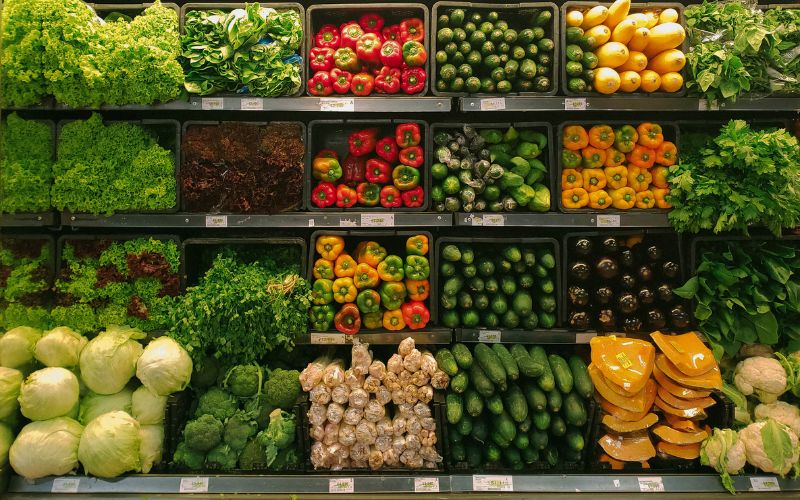
40 food that starts with K, from global dishes and fruits to breads, cheeses, and desserts. (Image by Unsplash)
2. How Did Foods That Start With K Get Their Names?
Food names carry pieces of linguistic and cultural history, which is why the letter K appears across dishes that have little else in common.
Names Borrowed From Other Languages
Many K food names entered English directly or indirectly from languages spoken where those foods originated.
In fact, a food that starts with K may retain a name closely connected to the language and culture where the dish developed.
Kimchi comes from Korean, kebab has linguistic roots associated with Middle Eastern and surrounding culinary traditions, and korma traces back through South Asian usage.
Transliteration Creates the Letter K
Languages such as Korean, Japanese, Hindi, and Georgian use writing systems different from the Latin alphabet, so their food names must be transliterated when written in English.
This process explains why spellings can vary. Kalbi and galbi, for example, can refer to the same Korean dish because different romanization conventions represent the original sounds differently.
Some Names Describe Ingredients or Preparation
Food names frequently provide clues about what a dish contains or how it is prepared.
Japanese katsudon, for example, combines “katsu,” referring to the cutlet, with “don,” associated with a rice-bowl dish.
Regional History Shapes Familiar Food Names
Migration, trade, colonization, and cultural exchange have helped food names travel far beyond their original regions.
Kedgeree, for example, developed through British adaptation of an Indian dish, while kielbasa became a familiar term outside Poland through migration.
One Letter Can Represent Many Culinary Traditions
Anyone asking what is a food that starts with a K will quickly encounter names from Asia, Europe, the Middle East, and beyond.
That diversity exists because English has borrowed culinary vocabulary from many languages.
3. FAQs about Food That Starts With K
K foods span many cuisines, so questions often come up about how to serve them, understand unfamiliar names, or say them correctly. These quick answers make a few popular K foods easier to recognize and enjoy.
What K foods work well on a charcuterie board?
Kiwi, kumquats, kielbasa, and kohlrabi can add variety to a charcuterie board. These foods bring a balance of fruity, savory, and crisp flavors that complement the board’s other ingredients.
Why do some K foods have different names in English?
Some foods that start with K have different English names because their original names are transliterated from other languages. Regional dialects and pronunciation differences can also influence how these names are spelled and used.
Which K foods are easiest to pronounce?
Familiar names such as kiwi, kebab, kimchi, korma, and kulfi are relatively short and may be easier for English speakers to learn than longer or less familiar K food names.
From kimchi and kebabs to kiwi, korma, and Key lime pie, exploring food that starts with K opens the door to flavors and traditions from around the world.
These foods show just how diverse one letter can make a menu. Keep discovering new dishes, recipes, and dining inspiration wherever you go with reliable connectivity and available device options from TAG Mobile.
Share
TAG Blog
Stories, guides, and helpful updates for staying connected.