Does Medicaid Cover Hearing Aids? Better Hearing for a Better Life
Does Medicaid cover hearing aids? In many states, Medicaid provides hearing aid coverage for children, while benefits for adults vary widely by location. Some states offer full or...
Quincy D.-Feb 04, 2026
Image by Unsplash
Table of Contents
Does Medicaid cover hearing aids? In many states, Medicaid provides hearing aid coverage for children, while benefits for adults vary widely by location. Some states offer full or partial coverage, while others limit benefits to medically necessary hearing services, making it important to review your state’s Medicaid rules before applying.
1. Does Medicaid Cover Hearing Aids?
Yes, Medicaid does cover hearing aids, but the level of coverage depends on age and state rules. By federal law, Medicaid must provide hearing services for children, including hearing exams, diagnostic testing, and hearing aids when medically necessary. For adults, hearing aid coverage is optional, so benefits vary widely. Some states offer full or partial coverage, while others may only cover hearing tests or exclude hearing aids altogether.
2. Medicaid Coverage for Hearing Aids – Children vs Adults
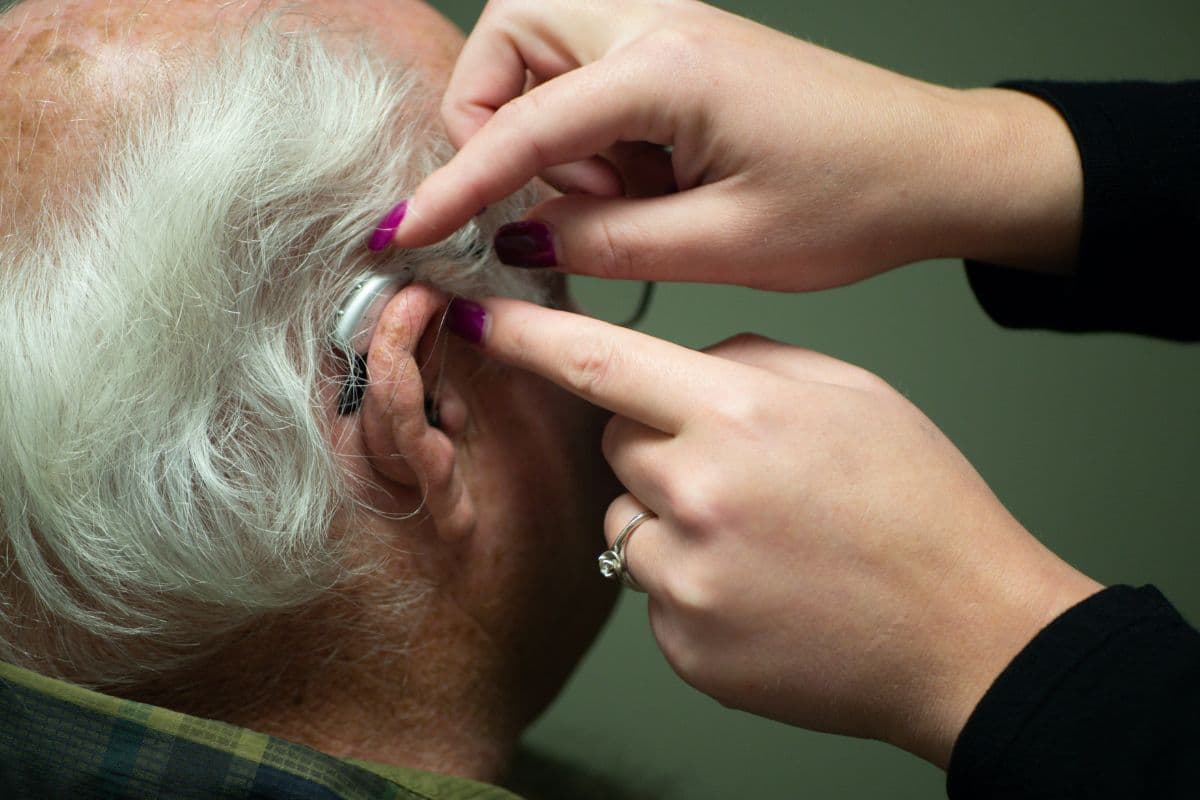
Does Medicaid Cover Hearing Aids For Adults? (Image by Unsplash)
Many people ask does Medicaid cover hearing aids, and the answer depends largely on age and state-specific rules. Medicaid provides more comprehensive hearing benefits for children, while coverage for adults is optional and varies widely across states.
Hearing Aid Coverage for Children (EPSDT Program)
At what age do you get a free hearing aid? Under the Early and Periodic Screening, Diagnostic, and Treatment (EPSDT) program, Medicaid must cover hearing-related services for children under age 21, including hearing exams, diagnostic testing, and hearing aids when medically necessary.
This means routine hearing screenings, fitting and dispensing of hearing aids, and necessary follow-up care are included to support early language and communication development. While many families also ask what kind of hearing aids does Medicare pay for?, Medicaid requires states to provide these comprehensive benefits for children, ensuring those with hearing loss receive appropriate devices and services.
Hearing Aid Coverage for Adults
For adults 21 and older, Medicaid hearing aid coverage is optional and varies widely from state to state. Some states choose to offer adults routine hearing aid benefits, including coverage for fitting and device costs, while others limit benefits to medically necessary services or exclude hearing aids entirely.
Because adult coverage is not mandated at the federal level, it’s important to check your specific state’s Medicaid plan to see what “does Medicaid cover hearing aids” is available and whether any copays or limits apply.
3. Can Medicaid Qualify You for Other Free Benefits?
Beyond hearing care, many people asking does Medicaid cover hearing aids may not realize that Medicaid status can also help them qualify for other valuable support programs.
Medicaid is a qualifying program for the Lifeline Program, which provides discounted or free phone service or internet service, aiming to make connectivity accessible to eligible households.
While Lifeline focuses on service support, participating Lifeline providers may offer free or low-cost devices, such as a free phone with Medicaid, as part of their plans. TAG Mobile is one such provider, offering Lifeline service along with a selection of free phones you can choose from, depending on availability.
You can visit TAG Mobile to explore current options and apply online if you qualify.
4. How to Apply and Receive Free Phones At TAG Mobile?
Applying for a free phone through TAG Mobile is a straightforward process when you know the right steps to follow. By preparing ahead and choosing a trusted Lifeline provider, you can complete your application smoothly and avoid unnecessary delays.
Step 1: Check Your Eligibility First
Before applying, you should confirm that you qualify for the Lifeline Program, either through income-based eligibility or participation in programs such as Medicaid. Eligibility requirements can vary by state, so it’s important to verify your status before moving forward. This step helps ensure your application is reviewed quickly and accurately.
Step 2: Collect Important Documents
Next, you gather the documents needed to prove your eligibility. These may include proof of participation in a qualifying assistance program or income documents, along with address information. Having these documents ready in advance can significantly speed up the application process.
Step 3: Choose a Trusted Provider like TAG Mobile
The application process begins when individuals access the TAG Mobile website and enter their ZIP Code and their email to check coverage in their area. This step is essential, as Lifeline benefits and device offers may vary by state. After eligibility-based plans are displayed, applicants should carefully compare their options and select a avaiable plan that fits their communication needs.
At this stage, users are also able to choose a device, whether that means receiving a free entry-level phone, upgrading to a discounted device, or using an existing phone through the BYOD option after confirming compatibility with an IMEI number.
Once the plan and device choices are finalized, applicants will be prompted to submit supporting documents to complete the application. These documents may include valid identification and proof of eligibility through government assistance or income verification.
Using Free Phone From TAG Mobile To Find Out Does Medicaid Cover Hearing Aids
Step 4: Submit Your Form and Wait for Your Device
Many applications are approved quickly through automated systems, often within 30 minutes, while applications requiring manual review may take several business days. After approval, TAG Mobile ships the selected device directly to the applicant, typically within 7-10 business days.
If you’re wondering does Medicaid cover hearing aids, the answer depends on your age and where you live. Children usually receive full hearing benefits, while adult coverage varies by state and may be limited or optional. Knowing your specific benefits can help you plan and avoid unexpected costs.
Medicaid may also qualify you for additional programs that support daily communication. Visit TAG Mobile today to explore free phone options and stay connected while managing your healthcare needs.
Notice: The government does not cover device costs, only basic service through Lifeline. Any free or discounted devices, upgrades, or top-ups are limited-time TAG Mobile offers and may vary by state, eligibility, and availability. Terms and conditions apply.
Share
TAG Blog
Stories, guides, and helpful updates for staying connected.