Does Food Coloring Expire? What Happens When You Use Old Dyes
Bright frosting can lose its charm when an old bottle of dye no longer performs as expected. The question does food coloring expire often comes up when baking supplies have sat unt...
Quincy D.-Nov 13, 2026
Image by Unsplash
Table of Contents
Bright frosting can lose its charm when an old bottle of dye no longer performs as expected. The question does food coloring expire often comes up when baking supplies have sat untouched for months or years.
Different formulas respond differently to environmental storage factors, so the date on the label tells only part of the story. Knowing what changes to watch for helps you decorate with confidence.
1. Does Food Coloring Expire?
Does food coloring expire? Food coloring generally has a long shelf life, especially commercially produced synthetic liquid dyes stored in tightly closed containers.
The printed date often reflects peak quality rather than an automatic safety cutoff.
However, product quality can gradually degrade, and natural or homemade dyes may spoil sooner.
Discard any product showing clear signs of spoilage or contamination, and follow the manufacturer’s storage instructions.
2. How Long Does Food Coloring Last?
Food coloring can remain usable for months or even years, depending on its ingredients, formulation, and storage conditions.
If you’re wondering does food coloring expire, understanding the differences among common dye formats can help you determine when to replace them.
Liquid Food Coloring
Commercial liquid food coloring typically lasts 2-3 years when stored properly, although some formulations remain usable longer.
Its water-based consistency makes it convenient for everyday baking. Keep bottles tightly sealed in a cool, dark place, and discard the coloring if you notice any signs of spoilage.
Gel Food Coloring
Gel food coloring generally maintains its quality for around 2-3 years when stored correctly.
For anyone asking, does gel food coloring expire, the answer depends on its ingredients and storage conditions.
Exposure to unfavorable storage conditions can affect its overall product quality.
Powder Food Coloring
Powder food coloring can last approximately 4-5 years when stored in airtight containers away from moisture.
Its dry formulation makes it particularly resistant to deterioration.
However, humidity can cause clumping, while prolonged exposure to heat and sunlight may reduce color intensity.
Natural Food Coloring
Unlike many synthetic alternatives, natural food coloring contains plant-derived pigments that can gradually lose their intensity.
This raises a common question: does food coloring expire faster when made from natural ingredients?
Commercial natural colorings may last 6 months to 2 years, depending on their formulation, while homemade versions typically spoil much sooner.
The color may be weaker: Older dye can produce less vibrant frosting, icing, or batter, meaning you may need more product to achieve the desired shade.
Gel coloring may become thick or difficult to mix: This can lead to streaks or uneven coloring.
Some colors may change over time: Natural pigments are particularly prone to fading or shifting.
The product may separate or develop clumps: This can make it difficult to distribute evenly.
Spoiled or contaminated coloring should not be used: Mold, unusual odors, or suspicious growth are reasons to discard it rather than test it.
4. 5 Signs Your Food Coloring Should Be Replaced
Even properly stored food coloring can deteriorate over time, affecting its overall baking performance.
Recognizing the following warning signs helps you avoid using contaminated ingredients and maintain consistent results in your recipes.
Visible Mold or Unusual Growth
Unfamiliar foreign matter inside a food coloring container may indicate contamination. These changes can result from improper handling or compromised storage.
As a precaution consistent with USDA guidance on moldy foods, discard food coloring showing visible mold rather than attempting to remove the affected portion and reuse the rest.
Unexpected Odor
Commercial food coloring should maintain a relatively consistent smell throughout its usable life.
Any distinct off-odor may indicate microbial activity or ingredient degradation.
If the coloring smells noticeably different from when it was first opened, discard it instead of risking contamination in your recipes.
Major Changes in Texture
Changes in consistency can indicate that food coloring has deteriorated or been stored improperly.
Liquid coloring may become unusually thick, while gel varieties can develop noticeable textural irregularities.
When considering does food coloring expire, significant texture changes can be useful warning signs, especially when accompanied by unusual odors or visible contamination.
Unusual Discoloration or Separation
Food coloring may gradually lose its original vibrancy through prolonged environmental exposure. Noticeable visual changes can indicate declining quality.
Although some separation is normal in certain formulations, coloring that remains uneven after gentle mixing or develops unusual layers may need replacing.
Signs of Contamination Around the Cap or Dropper
Unusual residue, visible mold, or unfamiliar buildup around the bottle opening may indicate contamination from repeated handling.
Droppers that contact external surfaces can introduce microorganisms into the container.
Follow FDA safe food handling principles by keeping preparation tools and contact surfaces clean, and discard food coloring when contamination is suspected.
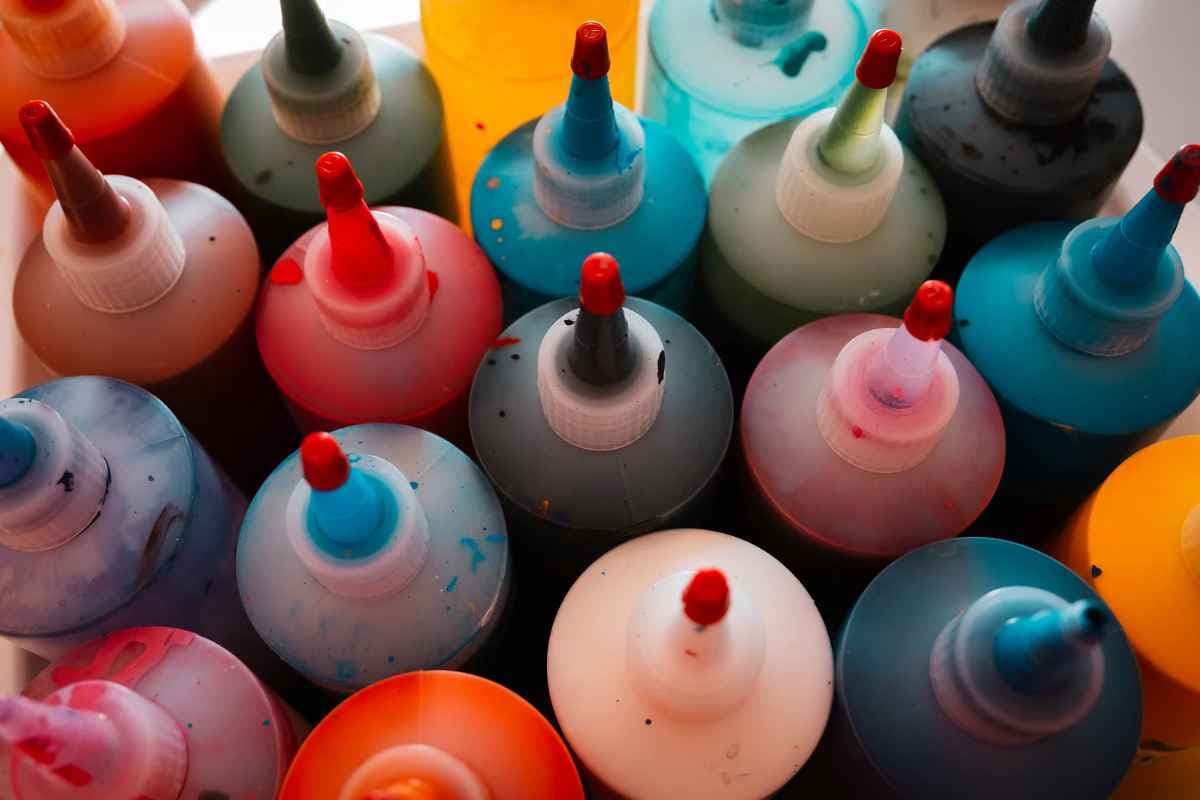
Watch for five warning signs that your food coloring is no longer suitable for use. (Image by Unsplash)
5. How to Store Food Coloring So It Lasts Longer?
Food coloring is easier to work with when the bottle pours cleanly, the gel stays smooth, and the powder remains dry.
How you store and handle each container can help preserve those qualities between baking projects.
Pick a Cool, Dry Cupboard
Store shelf-stable food coloring in a cupboard away from sunlight, steam, and heat. Avoid the cabinet directly above the stove or beside the dishwasher, where temperatures can fluctuate during use.
If the label calls for refrigeration after opening, follow that instruction instead of treating every coloring as a pantry item.
Close the Container After Each Use
Wipe residue from the rim with a clean, dry paper towel, then tighten the cap or lid as soon as you finish.
Leaving liquid or gel coloring open lets moisture evaporate, which can thicken the product or leave a crust around the opening. Store bottles upright to help prevent leaks.
Use a Clean, Dry Utensil
Scoop gel or powdered coloring with a clean, dry spoon or toothpick. Once it touches frosting or batter, use a fresh utensil if you need more color.
This keeps crumbs, water, and other ingredients out of the container and prevents stray colors from mixing in the original jar.
Keep the Label and Record the Opening Date
Keep food coloring in its original container so the date code, storage directions, and ingredient list remain available. Write the opening date on the lid if you use the color infrequently.
Before a baking project, check the label for any after-opening guidance and test older colors in a small sample first.
That bottle of food coloring tucked away in your baking drawer might be older than you think, but age alone doesn’t always mean it’s unusable.
So, does food coloring expire, or can it remain effective long after its printed date? The answer depends on its ingredients, storage conditions, and any noticeable changes in quality.
Does Wilton food coloring expire?
If you’re asking, does Wilton gel food coloring expire, Wilton recommends using its Icing Colors within 36 months of manufacture for best freshness.
Verify the stamped manufacturing code and confirm which product line you have, since Wilton’s recommended freshness period varies by formula.
Does unopened food coloring expire?
Unopened food coloring can gradually lose quality, even when its original seal remains intact. Follow the manufacturer’s storage instructions and check any date printed on the package.
As explained in USDA’s food product dating guidance, best-by dates generally refer to expected quality rather than an automatic safety cutoff.
Why has my gel food coloring become thick?
Gel coloring is meant to be thick, but it can become stiff or crusty as moisture escapes through a loose lid.
If it no longer blends smoothly into a small amount of icing, replace it for a more even finish.
Can expired food coloring affect frosting?
Older food coloring may produce weaker shades, while dried gel particles can leave streaks or specks in frosting.
If a properly stored product is only past its best-by date without signs of spoilage, test a small amount first.
Discard coloring with mold, unusual odors, or suspected contamination.
Is natural food coloring more perishable?
Some natural food colors have shorter storage lives, particularly fresh juices or homemade extracts containing substantial moisture.
Shelf-stable powders and commercially formulated natural colors may last considerably longer.
7. Final Thoughts
That forgotten bottle of food coloring in your pantry might still be usable, but its condition deserves a closer look. So, does food coloring expire, and how can you tell when it is time for a replacement?
Overall storage history and physical condition can all affect its quality. Check for unusual odors, texture changes, or contamination before use, and explore more practical kitchen tips and food storage guides in other articles from TAG Mobile.
Share
TAG Blog
Stories, guides, and helpful updates for staying connected.