How to Open a Can Without a Can Opener: 6 Safer Methods That Work
Everything is ready for dinner until you reach for the can opener and find an empty drawer. Suddenly, knowing how to open a can without a can opener becomes part of the meal prepar...
Quincy D.-Oct 09, 2026
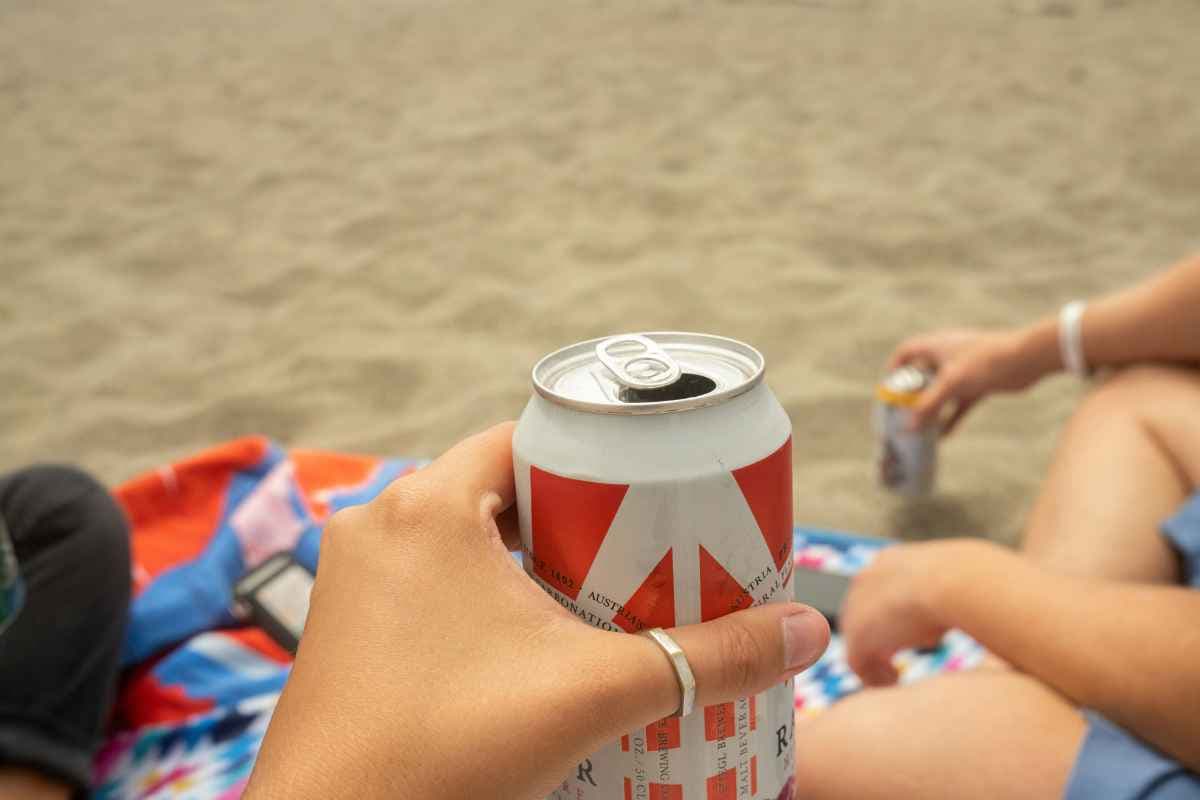
Image by Unsplash
Table of Contents
Everything is ready for dinner until you reach for the can opener and find an empty drawer. Suddenly, knowing how to open a can without a can opener becomes part of the meal preparation. Before reaching for whatever looks sharp, consider the lid, your available tools, and your workspace.
This guide explains practical alternatives and the precautions that matter when an ordinary kitchen task calls for improvisation.
1. Can You Open a Can Without a Can Opener?
Yes, you can open a can without a can opener using a sturdy metal spoon, an intact pull tab, or a camping tool. In emergencies, a rough outdoor surface may loosen the lid’s seam.
However, improvised methods can create sharp edges and debris, so careful handling is essential throughout opening.
2. How to Open a Can Without a Can Opener: 6 Methods to Try
How to open a can without a can opener? Your can’s lid design and the tools within reach will determine which approach is practical.
Start with an intact pull tab or a purpose-built attachment, then consider improvised methods only when you can keep the can steady and control your movements.
Method 1: Open the Can With a Metal Spoon
Place the can upright on a non-slip surface and grip a sturdy metal spoon close to its bowl. With the bowl facing inward, rub the tip back and forth against one spot just inside the raised rim until the metal wears through.
For anyone considering how to open a can without an opener, this method requires patience. Work around the lid in short sections, keeping fingers clear of the opening. Lift the loosened lid with pliers, and discard food contaminated by fragments.
Method 2: Open a Pull-Tab Can Without a Can Opener
Check the lid for an intact pull tab before reaching for other tools. Place the can on a stable surface and gently raise the ring.
If it sits too flat to grasp, slide a spoon handle beneath it to help lift it.
Hold the can below the rim and pull the ring slowly in the direction indicated on the lid. Keep your face away from potential splashes. If the tab breaks, switch to another method rather than pulling exposed metal.
Method 3: Use a Multi-Tool With a Can-Opening Attachment
Locate the dedicated can-opening attachment on your multi-tool rather than using its knife blade or bottle opener.
Fully unfold it and engage the lock if one is provided. Follow the manufacturer’s instructions, since the correct cutting direction varies between designs.
For common hook-style attachments, brace the hook against the rim and rock the cutter through the lid with controlled movements. Advance a little at a time while keeping your supporting hand clear. Use pliers to lift the lid once separated.
Method 4: Use a Rough Surface in an Emergency
Find a flat patch of rough stone or concrete that is clean and free of loose grit. Turn the can upside down and rub its top rim against the surface in short strokes. This gradually wears down the folded seam securing the lid.
Inspect the rim frequently and stop when the seam loosens. Keep the lid seated while wiping exterior dust away, then lift it carefully with a tool.
Discard the contents if grinding introduces metal particles or grit into the food.
Method 5: Use a Compact Emergency Can-Opening Tool
Small camping openers, including P-38 and P-51 designs, offer an alternative to a standard kitchen opener. Unfold the blade and position the tool’s notch against the rim according to its instructions. Keep the can upright on a firm, level surface.
Rock the cutting blade through the lid, then move the tool slightly along the rim and repeat. Maintain steady pressure without forcing it, keeping fingers away from the blade. Lift the separated lid with a utensil before cleaning and folding the opener.
Method 6: Use a Sharp Tool Only as a Last Resort
Improvised sharp tools carry a greater risk of slipping, breaking, or introducing metal fragments into food.
Avoid stabbing the lid with a kitchen knife or hammering a blade through it. If possible, pause and borrow a suitable opener before attempting this approach.
If opening the can is essential, look for a tool specifically designed to puncture or cut metal and follow its instructions. Support the can securely, keep hands outside the cutting path, and stop immediately if the tool slips or bends.
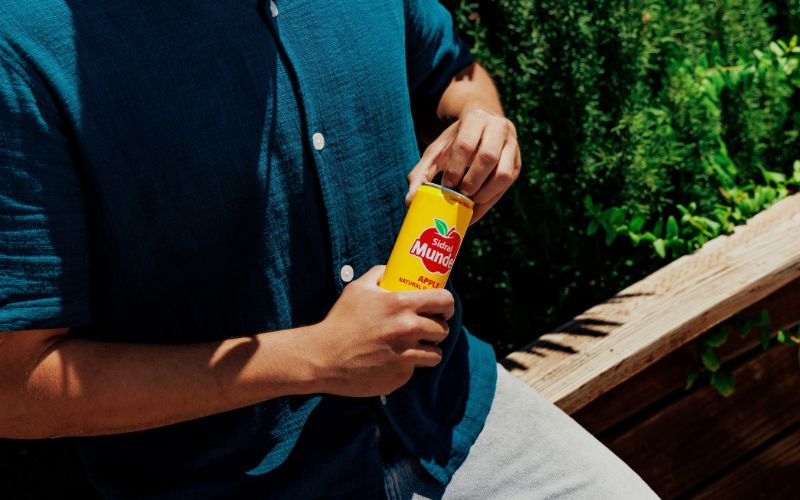
Six practical methods to open a can without a can opener using available tools and careful handling. (Image by Unsplash)
3. Tips for Opening Cans More Safely in a Pinch
Opening a sealed can takes patience when your usual kitchen tool is missing. Preparing a steady workspace and keeping your hands clear of exposed edges can help you avoid slips, spills, and cuts.
Choose a manageable tool: When considering how to get a can open without a can opener, check for an intact pull tab or a dedicated camping attachment first. Avoid utensils that bend easily or require excessive force.
Inspect the can: Do not open or use cans that are bulging, leaking, or badly damaged. USDA advises discarding deeply dented cans, particularly when a deep dent affects a seam, because seam damage can allow contamination.
Clean the lid and utensil: Wipe away surface dirt before starting, and use a clean tool. This reduces the chance of debris falling into the food as the lid opens.
Keep the can steady: Work on a firm, level surface with a non-slip mat underneath. Avoid balancing the can on your lap or holding it against your body.
Protect your hands: Position your supporting hand below the rim and away from the cutting path. Make short, controlled movements, stopping if the tool slips or your grip weakens.
Lift the lid carefully: Use pliers or a suitable utensil instead of pulling the cut edge with your fingers. Dispose of the lid carefully to prevent injuries when someone handles the trash.
Check for unwanted debris: Discard the contents if metal fragments, grit, or dirt enter the can. Removing visible pieces does not reliably eliminate smaller particles.
Questions about how to open a can without a can opener often involve choosing a tool or deciding whether the contents are still usable. These answers cover common situations at home and outdoors, including when a damaged container should stay closed.
What is the safest way to open a can without an opener?
For a can with an intact pull tab, use its built-in opening mechanism as directed. Otherwise, a dedicated multi-tool attachment or compact camping opener is preferable to an improvised blade; a sturdy metal spoon is another option, although it still produces sharp edges.
Is food safe if the can is bulging?
No. A bulging or swollen can may indicate contamination, including a possible botulism hazard. Do not rely on smell or appearance alone to determine whether suspicious canned food is safe.
How do you open a can while camping?
Use a multi-tool with a dedicated can-opening attachment or a compact camping opener, following its instructions. Work on a firm, level surface and lift the lid with a utensil. Packing pull-tab cans can also make campsite meal preparation easier.
How to open a tuna can without a can opener?
Check for a pull tab first, then consider a dedicated camping tool or the metal spoon method described above. Keep the can upright to limit spills, and lift the loosened lid with pliers. Discard the tuna if metal fragments or dirt enter the food.
5. Final Thoughts
For how to open a can without a can opener, choose the most stable method available and prioritize control over speed. Keep your fingers away from sharp edges, stop if the can or tool starts slipping, and inspect the contents for metal fragments before use. Once the can is safely open, transfer any leftovers to a suitable container rather than storing them in the opened can.
TAG Mobile regularly shares more practical tips for handling unexpected everyday situations. Make sure you catch up with the latest updates!
Share
TAG Blog
Stories, guides, and helpful updates for staying connected.