Which Is a TCS Food? How to Identify TCS Foods Without Guessing

Food safety becomes easier when you know which items need strict temperature control instead of relying on looks or smell. Some may need careful handling, storage, and cooking beca...

Quincy D.-Oct 20, 2026
Which Is a TCS Food? How to Identify TCS Foods Without Guessing
Image by Unsplash

Table of Contents

Food safety becomes easier when you know which items need strict temperature control instead of relying on looks or smell. Some may need careful handling, storage, and cooking because bacteria can multiply quickly in the temperature danger zone. So, which is a TCS food, and which everyday foods fall into this category?

Cooked rice, dairy products, cut melons, meat, and other perishable foods may require temperature control to stay safe.

1. Which Is a TCS Food?

Which is a TCS food?

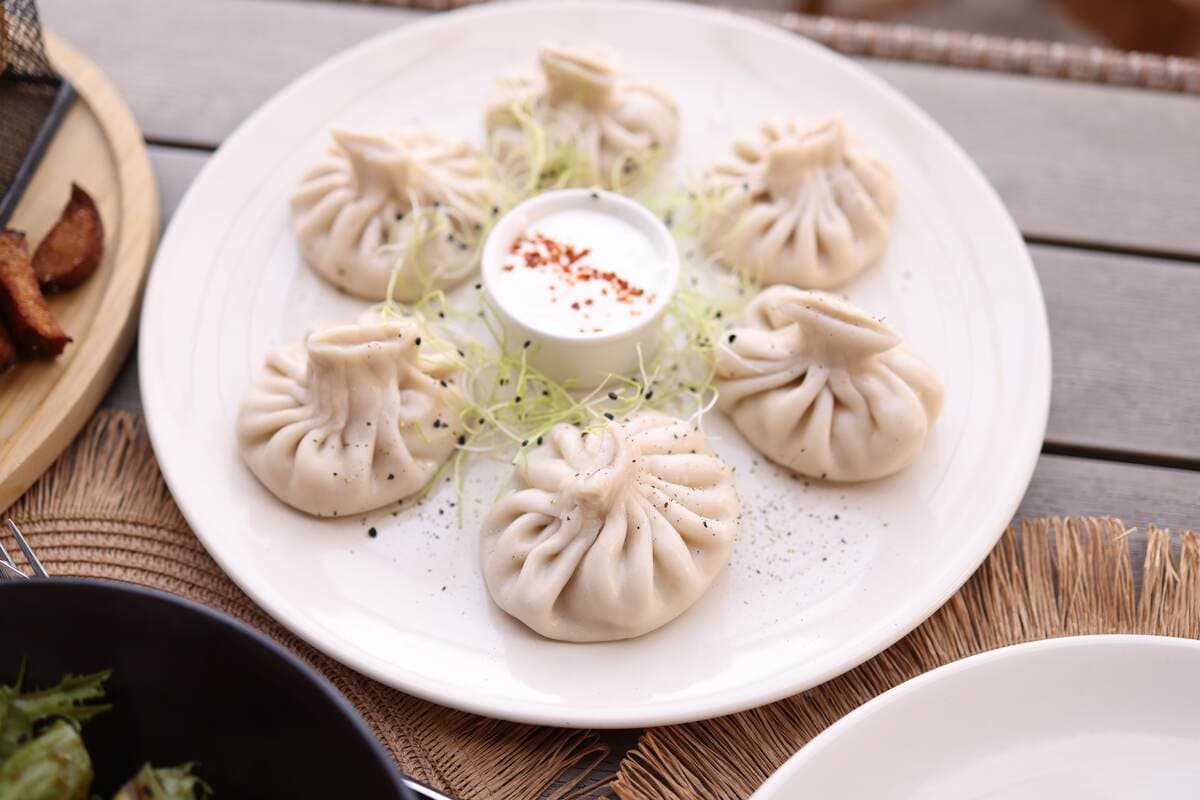
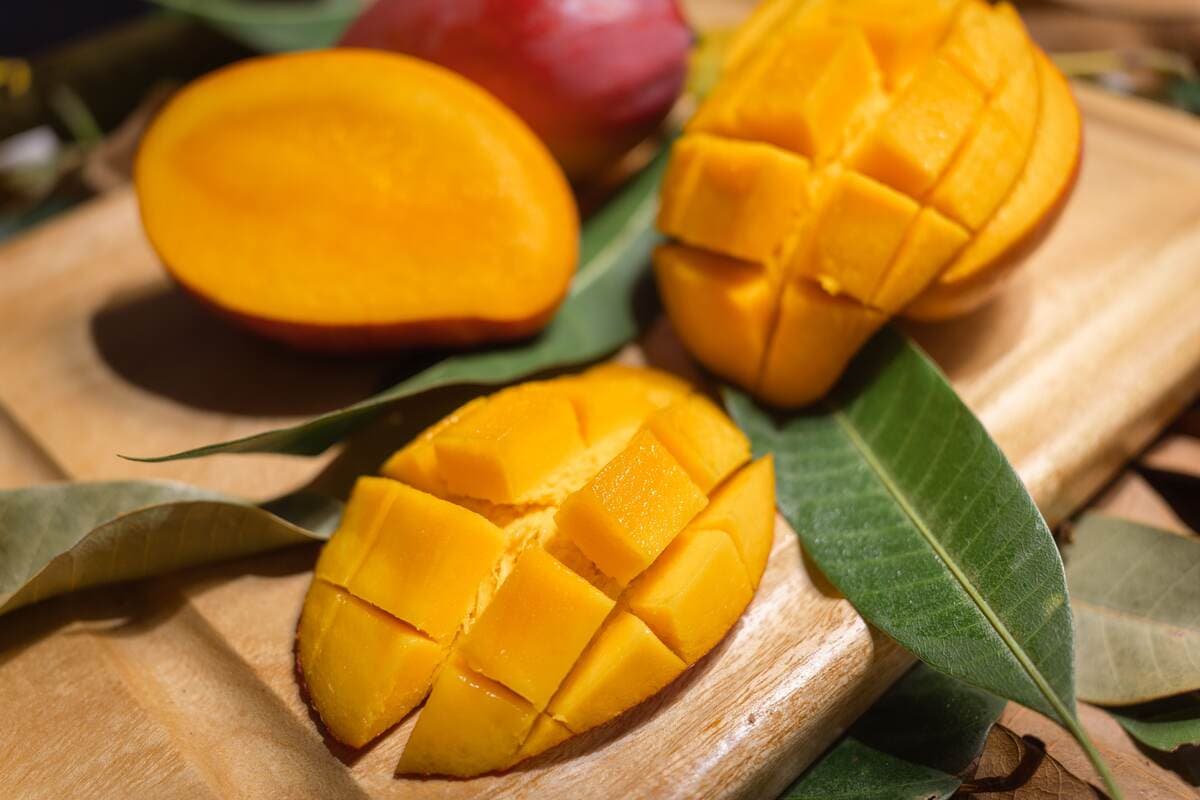
TCS foods are items that need time/temperature control for safety because they can allow harmful bacteria or toxins to grow if handled incorrectly. Common examples include cooked meat, poultry, seafood, dairy products, eggs, cooked rice, cooked beans, cut leafy greens, tofu, and sliced melons. 

2. Which Food Is Considered a TCS Food?

Some foods may seem safe on the counter for a short time, but their moisture, nutrients, and mild acidity can create the right conditions for bacteria to grow.

When identifying which is a TCS food, look for items that usually need cold storage, hot holding, quick cooling, or careful reheating to stay safe.

  1. Meat and poultry, including raw chicken, cooked beef, turkey, pork, roasted meats, and prepared dishes with meat.
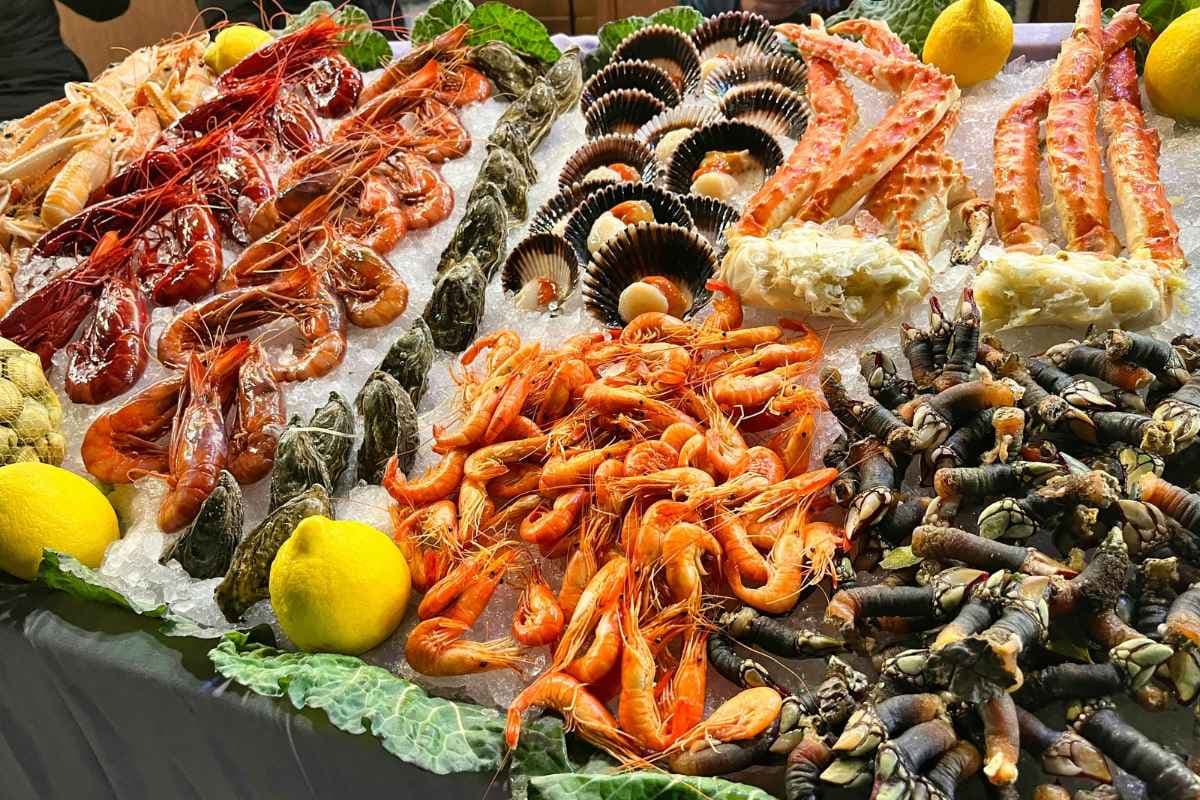
  2. Seafood, such as fish, shrimp, crab, shellfish, smoked seafood, and seafood-based salads or fillings.
  3. Eggs and egg products, including pooled eggs, cooked eggs, custards, egg fillings, and dishes made with liquid eggs.
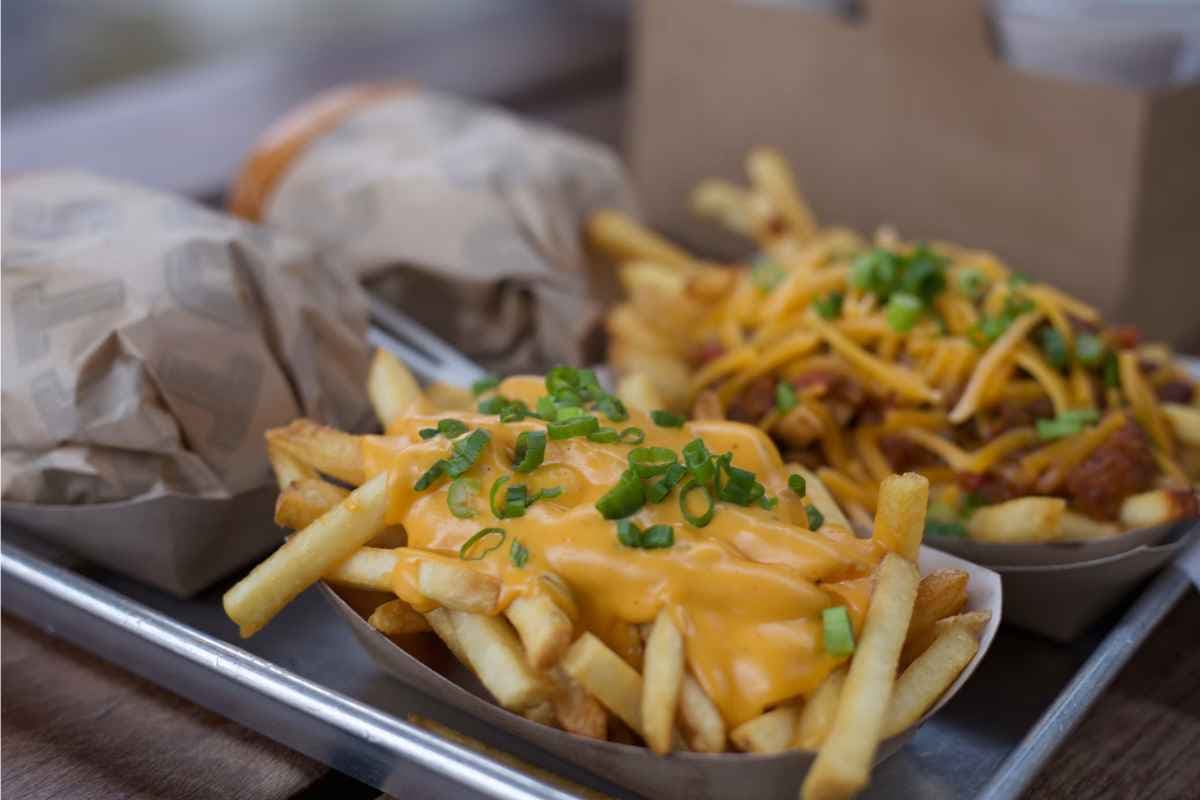
  4. Milk and dairy products, such as milk, cream, yogurt, soft cheese, cheese sauces, and dairy-based desserts.
  5. Cooked starches, including rice, pasta, beans, potatoes, lentils, and other cooked grains or legumes.
  6. Heat-treated vegetables, such as baked potatoes, cooked onions, sautéed vegetables, cooked beans, and vegetable casseroles.
  7. Cut produce, including cut leafy greens, sliced melons, cut tomatoes, chopped lettuce, and mixed salad greens.
  8. Plant-based proteins, such as tofu, soy protein, tempeh, sprouts, sprout seeds, and foods made with cooked plant proteins.
  9. Risky mixtures, including untreated garlic-in-oil, rice bowls, pasta salads, chicken salads, burritos, and cream-filled items.

>>> Read More: What Is a Food Bank? How Food Gets From Donors to Families

3. Tips for Identifying TCS Foods on a Test

Food safety tests often use simple examples to check whether you understand risk, not just memorized food lists. The easiest way to answer correctly is to look at the food’s ingredients, condition, and whether time or temperature abuse could make it unsafe.

Remember the “Protein + Moisture” Rule

Foods rich in protein and moisture usually deserve closer attention because bacteria need nutrients and water to grow.

Meat, poultry, seafood, eggs, cooked beans, tofu, and dairy products often fit this pattern.

In case you get a question about which food is a TCS food, choose the item that is moist, nutrient-rich, and likely needs refrigeration or hot holding.

Recognize Temperature-Sensitive Dairy Products

Dairy products can spoil or support bacterial growth when they are not kept cold enough. Milk, cream, soft cheeses, yogurt, custards, and dairy-based sauces are common TCS examples because they contain moisture and nutrients.

Shelf-stable dairy may be safe unopened, but once opened, it usually needs refrigeration and proper time control.

Know Which Cooked Foods Require Temperature Control

Cooking can change a food’s safety rules. Dry rice, pasta, or beans may sit safely on a shelf, but once cooked, they become moist and more vulnerable to bacterial growth.

Baked potatoes, cooked vegetables, cooked grains, and cooked foods and perishable leftovers should be cooled, stored, reheated, and served using appropriate time and temperature controls.

Spot “Potentially Hazardous” Combinations

Mixed foods can become TCS even when one ingredient seems safe alone.

Chicken salad, tuna salad, cooked rice bowls, pasta salad, cream-filled pastries, and burritos with meat or beans may need temperature control because they combine moisture, protein, and neutral acidity. On a test, pay attention to the full dish, not just one ingredient.

Use the 2-Hour Rule to Identify At-Risk Foods

Perishable foods should not sit at room temperature for too long. In general, foods that become unsafe after about two hours outside proper hot or cold holding are likely TCS foods.

Cooked meats, dairy dishes, cut produce, seafood, and prepared leftovers should be refrigerated, reheated, or discarded according to food safety guidance.

which-is-a-tcs-food-tips
Identify TCS foods by checking their ingredients, condition, and need for time and temperature control. (Image by Unsplash)

4. FAQs about TCS Foods

Food safety questions often come down to moisture, nutrients, acidity, and how long an item can safely stay outside temperature control.

When deciding which is a TCS food, look for foods that can quickly support bacterial growth if they are not kept hot, cold, cooled, or reheated properly.

What is the difference between TCS and non-TCS food?

TCS foods need time/temperature control for safety because they can support the growth of harmful bacteria or toxins.

Non-TCS foods are generally more shelf-stable because they are dry, acidic, highly preserved, or otherwise less friendly to bacterial growth. For example, cooked rice is usually TCS, while uncooked dry rice is not.

Are all cooked vegetables TCS foods?

Not all cooked vegetables are automatically handled the same way, but many become TCS once heat-treated and softened. Baked potatoes, cooked beans, sautéed vegetables, and cooked plant-based dishes often need temperature control because moisture becomes more available.

Storage time, preparation method, and whether the food is served hot or cold also matter.

What temperature should TCS food be held at?

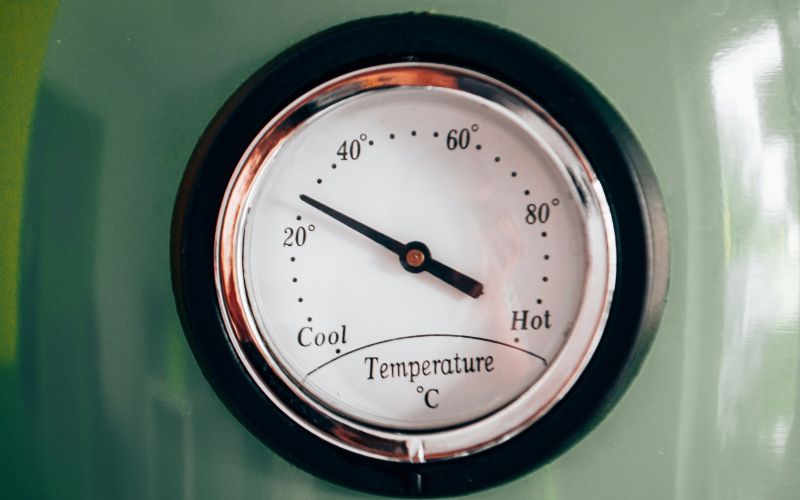
TCS food should generally be kept cold at 41°F or below or hot at 135°F or above. The range between these temperatures is often called the temperature danger zone because bacteria can grow faster there. Restaurants, cafeterias, and food handlers should use thermometers instead of guessing by touch or appearance.

5. Final Thoughts

Food safety often depends on recognizing which items need closer control of time and temperature. For which is a TCS food, look beyond obvious examples such as meat and dairy to foods like cooked rice, cut produce, and other prepared items that can support rapid bacterial growth. Proper storage, careful handling, and temperature control can help reduce unnecessary risk.

TAG Mobile also provides practical everyday resources to help useful information stay accessible when you need it.

Share
TAG Blog

Stories, guides, and helpful updates for staying connected.

Tags

Free PhoneLifeline ProgramSNAP - Food StampsMedicaidWICSSIFree & Discounted TabletProvidersLifeline Program FactsGovernment SupportLifestyleMobile Tips

Related posts

Lifestyle

What Is a Food That Starts With D? 30 Options to Spice Up Your Diet

D may seem easy at first, but the variety behind this letter goes much further than the obvious choices. Food that starts with D reaches across differ...

Quincy D.-Oct 31, 2026