What Is a Food Bank? How Food Gets From Donors to Families
Food support often depends on more than one organization working behind the scenes. When people search what is a food bank, they usually want to understand how donated groceries mo...
Quincy D.-Oct 20, 2026
Image by Unsplash
Table of Contents
Food support often depends on more than one organization working behind the scenes. When people search what is a food bank, they usually want to understand how donated groceries move from farms, stores, manufacturers, and community drives to families facing food insecurity.
This guide explains the process clearly while showing why connected access to local resources can also matter through support options like TAG Mobile.
1. What Is a Food Bank and How Does It Work?
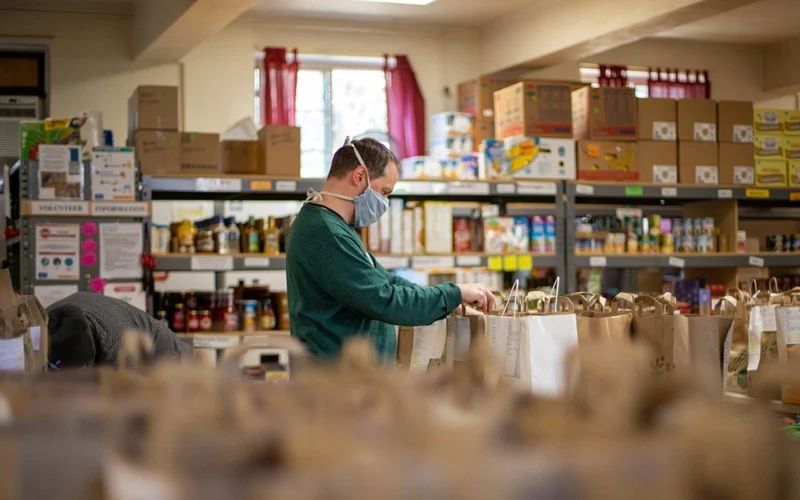
What is a food bank? Food banks are nonprofit organizations that serve as central storage and distribution hubs in the hunger-relief system. They collect donated or surplus food from farms, retailers, manufacturers, restaurants, and community drives, then inspect, sort, store, and deliver those items safely.
Instead of usually handing groceries directly to every household, food banks often supply local partners such as food pantries, shelters, meal programs, and community organizations.
These partners then help families access groceries, prepared meals, or emergency food support closer to where they live.
2. What Is the Purpose of a Food Bank?
Behind every food bank is a system built to move food where it is needed most, not just collect donations on shelves.
Understanding what is a food bank also means seeing how it connects donors, warehouses, partner agencies, and families through a wider hunger-relief network.
Reducing Food Insecurity in Local Communities
Food banks help reduce hunger by collecting large amounts of donated, rescued, or purchased food and moving it into communities with high need.
Instead of relying on scattered individual donations alone, they organize food at scale so local agencies can serve more families, seniors, children, and individuals facing temporary or long-term hardship.
Supporting Food Pantries and Meal Programs
Food banks often supply food pantries, shelters, soup kitchens, and meal programs rather than distributing everything directly to households.
Feeding America describes its network as including food banks, pantries, local meal programs, and national support, showing how different organizations work together to get food closer to people.
Rescuing Food That Might Go to Waste
Many food banks work with farms, grocery stores, manufacturers, and distributors to recover safe, usable food that might otherwise be discarded.
This helps reduce waste while increasing the amount of food available for hunger-relief programs. Careful sorting, storage, and handling make sure donated items remain safe before distribution.
Responding During Emergencies
Food banks also play an important role during emergencies such as job loss, natural disasters, rising grocery costs, or community crises.
Because they already have storage space, transportation systems, and partner networks, they can help move food quickly when families need immediate support and local resources become stretched.
3. What Is the Best Thing to Donate to a Food Bank?
Thoughtful donations can make a stronger impact when they match what food banks can store, sort, and distribute safely. Before shopping, it helps to know which pantry staples are practical, nutritious, shelf-stable, and useful for families with different cooking needs.
Shelf-Stable Proteins
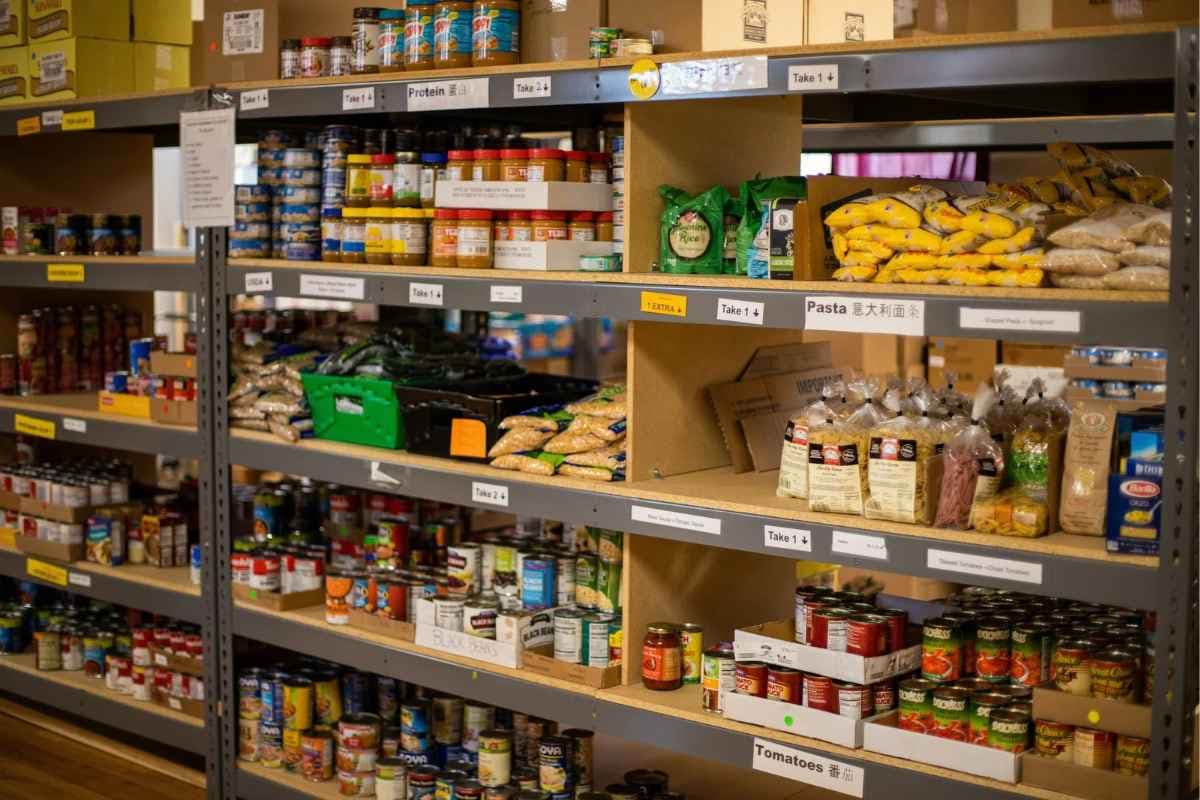
Canned tuna, salmon, chicken, beans, lentils, chili, and peanut butter are often strong choices because protein can be expensive for families to buy regularly.
These items help create filling meals and usually last a long time. When possible, choose low-sodium options, pull-tab cans, and familiar foods that are easy to prepare.
Whole Grains and Pantry Staples
Rice, whole-grain pasta, oatmeal, cereal, quinoa, and shelf-stable grains help stretch meals further.
The above ietms pair well with beans, canned vegetables, sauces, or proteins, making them useful for households trying to prepare simple meals on a budget. When considering what is a food bank, practical staples show why donation quality matters.
Canned Fruits and Vegetables
Canned vegetables, tomatoes, fruit packed in juice, applesauce, and 100% juice can add vitamins, fiber, and variety to pantry boxes.
Lower-sodium vegetables and fruit without heavy syrup are often better choices. These foods are easy to store and can help families build more balanced meals without needing refrigeration.
Cooking Essentials and Meal Builders
Cooking oil, pasta sauce, broth, spices, flour, and basic seasonings can turn simple donated ingredients into complete meals.
Cooking items are sometimes overlooked, but they make a real difference for families preparing food at home.
Shelf-stable milk, crackers, and granola bars can also support quick meals or snacks.
Choose nutritious, shelf-stable foods that are easy for food banks to store, distribute, and use. (Image by Unsplash)
4. Food Bank vs. Food Pantry: What’s the Difference?
Many people use these terms together, but they do not describe the same role in the hunger-relief system. So, what’s the difference between food banks and food pantries?
Food banks usually manage large-scale collection and distribution, while food pantries often serve people more directly in local neighborhoods
Comparison Point
Food Bank
Food Pantry
Main Role
Collects, stores, sorts, and distributes large amounts of food across a service area.
Gives groceries or food support directly to individuals and families.
Who They Serve
Usually serves partner agencies such as pantries, shelters, meal programs, and community groups.
Usually serves local households, seniors, students, or individuals facing food insecurity.
Scale of Operation
Works like a regional warehouse and logistics hub for hunger-relief organizations.
Works at the neighborhood or community level with direct visitor access.
Food Sources
Receives food from farms, manufacturers, retailers, government programs, food drives, and donors.
Often receives food from a food bank, local donations, churches, schools, or community partners.
Example of Use
A food bank may deliver pallets of food to multiple agencies each week.
A pantry may give a family a grocery box, fresh produce, or ready-to-use staples.
Best Way to Help
Donate funds, host food drives, volunteer in sorting, or support transportation and warehouse needs.
Donate requested items, volunteer during distribution, or help neighbors find local food access.
You can think of a food bank as the larger supply system and a food pantry as the local access point.
Both are important because one keeps food moving at scale, while the other brings that support closer to families in daily life.
When these organizations work together, donated food can move more safely, quickly, and fairly from donors to the people who need it most.
5. FAQs about Food Banks
Questions about what is a food bank and how these organizations work often come from people who need help quickly but feel unsure about eligibility rules, required documents, or visit limits.
Clear answers can make the process less stressful and help individuals and families understand what to expect before reaching out for food assistance.
Do you need proof of income to use a food bank?
Some food banks or food pantries may ask for basic information, such as household size, ZIP code, or income range, especially if they distribute food through certain programs.
Others may offer emergency food support with fewer requirements. Rules vary by location, so calling ahead or checking the pantry’s website can help you prepare.
Are food banks free?
Food banks and food pantries usually provide food at no cost to people who qualify or need short-term support.
Most are funded by donations, grants, community partners, and hunger-relief organizations. Families should not feel embarrassed to use these services, especially during job loss, medical bills, rising grocery prices, or other difficult periods.
How often can you visit a food pantry?
Visit limits depend on the food pantry, available supplies, and local program rules. Some pantries allow weekly visits, while others may offer support once or twice a month. If your household needs ongoing help, ask staff about nearby partner pantries, SNAP assistance, meal programs, or other community resources.
6. Final Thoughts
Food banks play an important role when families need extra help keeping food on the table. Once what is a food bank becomes clear, it is easier to understand how donated and sourced food moves through community partners before reaching local pantries and households. Beyond food assistance, reliable phone service can help people locate nearby resources, manage benefit information, and contact support organizations.
TAG Mobile offers connectivity options that may help eligible households stay connected to these essential resources. So make sure you stay tuned to the latest updates!
Share
TAG Blog
Stories, guides, and helpful updates for staying connected.