How To Find The Best Fish Market Near Me for Fresh and Specialty Seafood
Locating quality seafood requires more than choosing the closest shop. Searching for a fish market near me should involve checking product freshness, sourcing practices, cleanlines...
Quincy D.-Aug 10, 2026
Image by Unsplash
Table of Contents
Locating quality seafood requires more than choosing the closest shop. Searching for a fish market near me should involve checking product freshness, sourcing practices, cleanliness, staff knowledge, and the variety of local or specialty items available.
This instruction explains how to compare nearby markets, recognize signs of well-handled seafood, ask useful questions, and select a dependable place for everyday cooking, special recipes, or hard-to-find catches.
1. Which Type of Fish Market Are You Looking For?
The right seafood market depends on whether you need everyday staples, live seafood, imported varieties, or specialty cuts.
Comparing each option carefully can make a traditional, a specialty, or an Asian fish market near me search more useful and help you choose a store that matches your recipe, budget, and freshness expectations.
Live seafood, whole fish, specialty cuts, and imported species
Tank cleanliness, product turnover, labeling, staff knowledge, and how seafood is handled after selection
Supermarket Seafood Counter
Convenient everyday purchases and pre-cut portions
Packaging dates, temperature control, staff responsiveness, and whether fish is previously frozen
Wholesale Seafood Market
Larger quantities, wider selection, and bulk pricing
Minimum purchase requirements, public access hours, storage conditions, and product origin
Specialty Seafood Shop
Premium fillets, sashimi-grade options, smoked seafood, or rare species
Sourcing details, handling practices, preparation services, and storage recommendations
Harbor or Dockside Market
Recently landed local catches and seasonal seafood
Landing times, seller reputation, available cleaning services, and safe transport home
2. How to Find a Fresh Fish Market Near Me
Fresh seafood is easier to locate when online listings are treated as a starting point rather than the final answer. Compare current reviews, counter photos, sourcing details, and direct information from the seller before deciding where to shop.
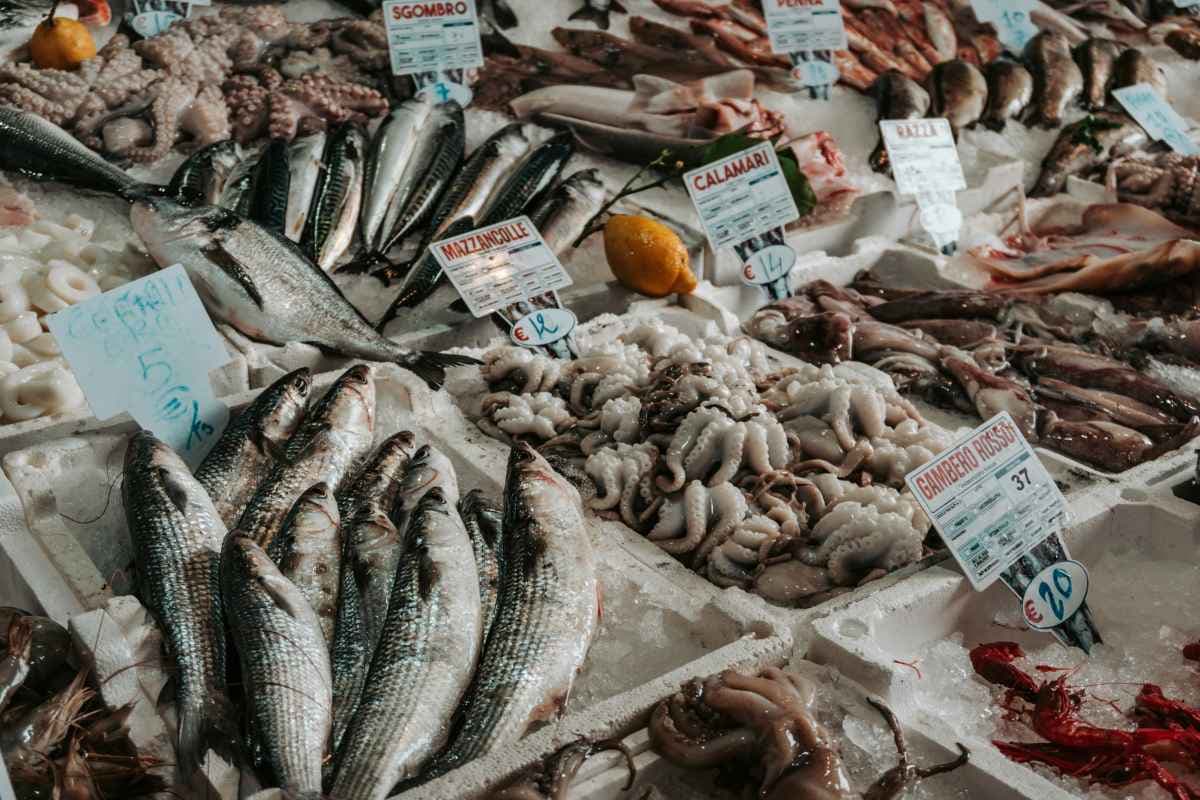
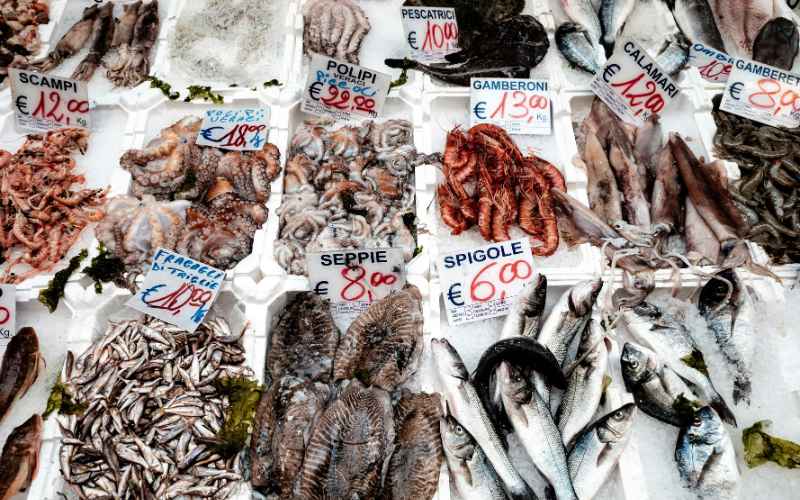
Find a fresh fish market with simple tips for choosing quality seafood before you visit. (Image by Unsplash)
Search Beyond the First Map Result
The closest listing is not always the market with the freshest selection or best handling practices. When searching for a fish market near me, compare several nearby options, including specialty shops, independent seafood counters, and dockside sellers.
Review their hours, product focus, customer photos, and recent feedback before choosing. Markets slightly farther away may offer better turnover, cleaner displays, or species that suit your recipe more closely.
Look for Recent Seafood-Specific Reviews
Prioritize reviews that mention freshness, odor, texture, ice coverage, live tanks, and staff preparation services. General comments about parking or customer service reveal little about seafood quality. Recent reviews are especially valuable because suppliers, management, and inventory can change.
Look for repeated observations across several customers rather than relying on one unusually positive or negative post, and note whether reviewers purchased the same type of seafood you need.
Check Photos of the Display Counter
Customer and store photos can reveal how seafood is arranged, chilled, labeled, and protected from contamination. Fish should appear properly covered with clean ice, while counters should look organized and free from pooled liquid or excessive residue.
Check whether whole fish have bright skin and clear-looking eyes, but remember that lighting and image age can be misleading. Photos are most useful when combined with recent written reviews and direct questions.
Review Delivery and Catch Information
Some markets share delivery days, fishing regions, seasonal catches, or whether products arrive fresh or previously frozen. This information helps estimate turnover and identify the best shopping time.
Frequent deliveries do not automatically guarantee quality, but clear sourcing details suggest stronger product knowledge and transparency. Also check whether seafood is wild-caught, farm-raised, local, imported, or thawed, especially when a recipe requires a specific texture or preparation method.
Call Before Making a Special Trip
Inventory can change throughout the day, particularly for live seafood, local catches, and specialty species. Call the market to confirm availability, price, delivery timing, and whether staff can clean, scale, fillet, or portion the item.
Asking when a shipment arrived may also help you choose a better pickup time. Direct confirmation prevents unnecessary travel and reduces the chance of arriving after a limited product has sold out.
Fresh fish should look vibrant, feel firm, and carry a clean scent rather than a strong or sour odor. Checking several signs together is more reliable than judging quality from color alone.
Inspect the eyes: Whole fish should have clear, bright, slightly raised eyes. Cloudy, sunken, or dry-looking eyes may indicate that the fish has been stored for an extended period.
Check the gills: Fresh gills are usually moist and red or pink, depending on the species. Brown, gray, sticky, or strongly odorous gills suggest declining freshness.
Press the flesh gently: The flesh should feel firm and spring back quickly after light pressure. Soft areas, deep fingerprints, or separating muscle fibers can signal poor handling or deterioration.
Smell the fish: Fresh seafood should have a mild, clean, ocean-like scent. Strong ammonia, sourness, or an overpowering fishy odor is a warning sign, even when the display appears attractive.
Observe storage conditions: During a live fish market near me search, inspect whether tanks look clean and fish appear active. Chilled seafood should rest on sufficient clean ice, remain cold, and stay protected from pooled water or contamination.
4. Your Phone Can Find Better Seafood, Not Just the Nearest Store
Mobile access makes it easier to compare seafood selections, review recent customer photos, call sellers about daily catches, and navigate to specialty markets. These tools can help shoppers choose a better option instead of automatically visiting the closest store.
The Lifeline Program provides a monthly benefit toward qualifying phone or internet service, helping eligible households maintain access to essential digital resources. The standard benefit is up to $9.25 per month, with a higher amount available to qualifying subscribers on Tribal lands.
TAG Mobile is a trusted U.S. wireless provider and an eligible telecommunications carrier authorized to deliver Lifeline-supported service in designated areas.
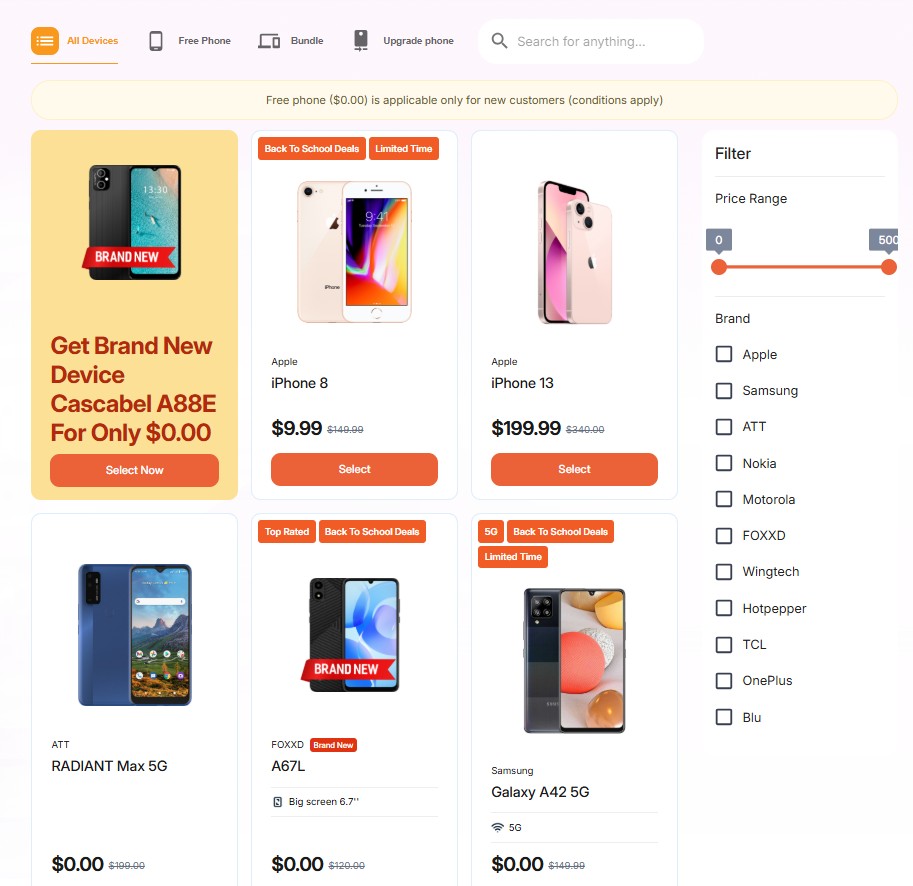
Eligible customers can apply online, select available service and device options, and access features that may include high-speed data, unlimited talk and text, international calling, and discounted devices.
Tablets can make your food research more convenient by providing a larger display for comparing market photos, reading reviews, checking maps, and viewing recipes.
Availability, pricing, and promotional eligibility may vary by location and current inventory, so customers should confirm the offer shown for their ZIP code.
Samsung Tab A7 Lite: Compact tablet suited to checking directions, browsing seafood selections, reading customer feedback, and viewing cooking instructions on a larger screen.
Samsung Galaxy Tab A 2020: Practical tablet option for market comparisons, online searches, video recipes, and routine communication from home or while traveling.
Clovertek G17: Larger-screen tablet that can make detailed product photos, maps, reviews, and seafood preparation guides easier to view.
Samsung Galaxy Tab S5e: Slim tablet designed for browsing, streaming cooking demonstrations, comparing nearby sellers, and organizing shopping information.
Get started and apply for your mobile services now!
Note: Eligibility varies by state and program. Offers depend on availability and qualifications. TAG Mobile operates under the federal Lifeline Program as an Eligible Telecommunications Carrier (ETC). Service is non-transferable and limited to one service per household.
5. Sustainable Seafood Questions Worth Asking
Buying seafood responsibly involves more than checking appearance and price. Asking about delivery timing, sourcing, handling, and preparation services can help shoppers choose fresher products while supporting better purchasing decisions.
What day is best for buying fresh seafood?
The best day depends on the market’s delivery schedule rather than a universal rule. Ask when shipments arrive and shop soon afterward, especially for local catches or limited seasonal items.
How can you tell whether fish is fresh?
Fresh whole fish usually has clear eyes, moist red or pink gills, firm flesh, and a mild ocean-like scent. Fillets should look moist and glossy without dried edges, strong odors, or excessive liquid in the package.
Is fish from a seafood market better than grocery-store fish?
Not always, since quality depends on turnover, storage temperature, sourcing, and staff handling. Specialty fish markets may offer broader selections and more detailed product knowledge, while well-managed grocery counters can also provide fresh, properly stored seafood.
Do fish markets clean and fillet whole fish?
Many fish markets offer scaling, gutting, cleaning, and filleting services, sometimes at no extra cost. Call ahead to confirm available preparation options, possible fees, and whether staff can cut the fish for a specific cooking method.
6. Final Thoughts
Finding the right seafood seller requires more than selecting the closest listing. A thoughtful fish market near me search should include recent reviews, sourcing details, delivery schedules, display cleanliness, and staff preparation services.
Comparing several options, checking freshness indicators, and calling ahead for specialty products can help shoppers avoid wasted trips and choose seafood that better suits their recipes, budget, and quality expectations.
Share
TAG Blog
Stories, guides, and helpful updates for staying connected.