When Does EBT Reload? SNAP Deposit Schedules & Balance Updates
Many SNAP recipients search for when does EBT reload to better plan grocery purchases and avoid unexpected balance shortages during the month. Benefit deposit schedules can differ...
Quincy D.-May 31, 2026
Image by Unsplash
Table of Contents
Many SNAP recipients search for when does EBT reload to better plan grocery purchases and avoid unexpected balance shortages during the month. Benefit deposit schedules can differ by state and household case details, making reload dates sometimes difficult to track.
Knowing how EBT payment schedules work may help households manage food budgets more smoothly. Readers can also explore additional SNAP and digital support guides from TAG Mobile.
1. What is EBT Reload?
An EBT reload is the scheduled deposit of government assistance benefits onto an Electronic Benefit Transfer card. These funds are usually added each month automatically through programs such as SNAP or cash assistance, allowing eligible households to access approved benefits without visiting a local office or bank.
Once the deposit is added, recipients can use the EBT card like a debit card at participating grocery stores, retailers, and approved ATMs for qualifying transactions. Reload dates are generally determined by state payment schedules, case numbers, or eligibility details, which is why deposit timing may differ from one household to another.
EBT benefits are usually deposited once each month based on the payment schedule assigned by each state. Deposit dates may depend on factors such as case numbers, the first letter of a last name, Social Security numbers, or approval timelines.
Newly approved households often receive their first benefits within the first several days of the month, while continuing recipients may receive deposits on staggered dates throughout the month.
Some recipients also search for what time does EBT reload to better understand when funds become available on deposit day. In many states, benefits are commonly added after midnight or during early morning processing hours, although exact timing can vary depending on the state system and banking schedule.
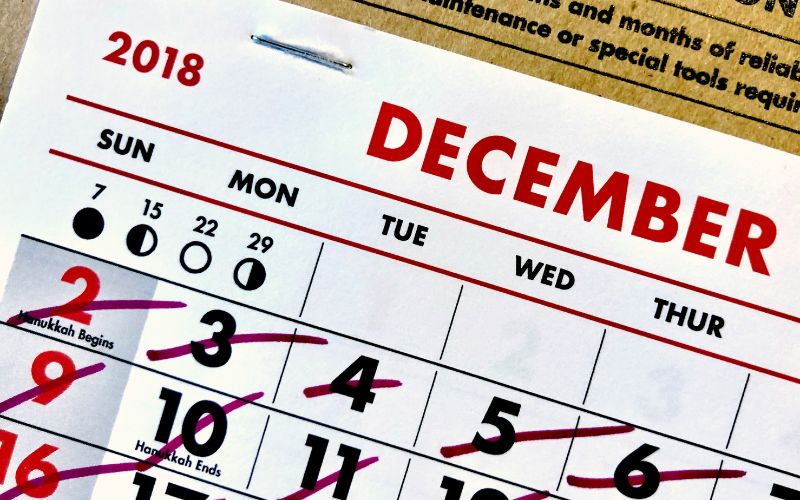
EBT benefits are usually reloaded monthly based on each state’s payment schedule and household case details. (Image by Unsplash)
3. Popular State-Specific EBT Reload Searches
Monthly benefit deposit dates can play an important role in helping households organize grocery spending and manage food budgets more efficiently. Because every state follows its own payment system, reload schedules and deposit timing may differ depending on local processing rules and account details.
When does EBT reload in California?
California SNAP benefits are usually distributed during the first ten days of each month based on the final digit of the recipient’s case number. The staggered payment system helps spread deposits across several days instead of releasing all benefits at once. Exact deposit timing can sometimes vary depending on weekends, holidays, or state processing schedules.
When does EBT reload Florida?
Florida generally distributes SNAP benefits between the 1st and 28th of each month using specific digits from the household case number. This payment structure helps organize statewide benefit processing more efficiently across different eligibility groups.
Households in Florida often check monthly payment schedules to avoid confusion about deposit timing and account balances. Benefit availability may occasionally shift because of system maintenance, weekends, or holiday processing delays.
When does EBT reload Washington state?
Washington state commonly issues SNAP benefits during the first twenty days of the month based on assigned case number schedules. Deposits are spread throughout the month to help manage transaction activity and payment processing more smoothly.
Recipients may review state payment calendars to better plan grocery purchases and household budgeting. Deposit timing can differ slightly depending on account updates and state system processing periods.
When does EBT reload Colorado?
Colorado SNAP benefits are typically deposited during the first ten days of the month according to the last digit of the recipient’s Social Security number. The staggered schedule helps distribute benefits more evenly across the statewide EBT system.
Many Colorado households monitor deposit calendars to estimate expected reload dates each month. Processing schedules may occasionally change during weekends, holidays, or periods of increased system activity.
4. Why Your EBT Benefits May Not Have Reloaded Yet?
Unexpected delays can sometimes happen even when households normally receive benefits on a regular schedule. Payment timing may be affected by account reviews, system processing periods, or temporary technical issues within the state benefits system.
Processing delays
State payment systems may occasionally process benefit deposits more slowly during high transaction periods or monthly distribution cycles. Delays can sometimes happen because of overnight account processing, heavy system traffic, or temporary administrative backlogs connected to benefit scheduling.
Newly approved cases may also require additional time before deposits appear on the card balance. In some situations, payment updates may not become visible until later in the day, after the state processing system finishes scheduled account updates.
Holiday schedules
Federal holidays and weekends may occasionally affect when EBT benefits are added to recipient accounts. If a scheduled deposit date falls near a holiday, some states may issue benefits earlier, while others may experience short delays because of reduced processing operations.
Payment systems and administrative offices may also follow adjusted schedules during holiday periods throughout the year. These timing changes can temporarily affect balance visibility, transaction updates, or the exact moment deposits become available for use.
Verification reviews
Some households searching online for when does my EBT card reload may experience delays because eligibility documents or renewal information are still under review. State agencies sometimes pause benefit processing temporarily while verifying income records, household details, or requested supporting paperwork.
Requests for updated documents may extend processing timelines beyond the normal deposit schedule. Responding quickly to official notices and completing verification requirements may help reduce longer interruptions or delayed benefit availability later.
Technical system updates
Scheduled software maintenance and system upgrades may sometimes interrupt EBT balance displays or temporarily delay deposit visibility. During maintenance periods, online portals, mobile apps, or automated balance systems may not immediately reflect updated account information.
Technical problems may also affect transaction history updates or account access for short periods of time. Waiting until scheduled maintenance ends may help restore normal account visibility and allow recently processed deposits to appear correctly.
Incorrect account information
Incorrect personal details, outdated addresses, or account record errors may occasionally interfere with normal benefit processing schedules. Even small mistakes connected to case information or identification records can sometimes delay deposits or prevent account updates from appearing properly.
Reviewing account information regularly may help households avoid unnecessary payment issues later. Contacting the local benefits office may also help resolve account-related errors more quickly if deposits continue missing beyond the expected reload date.
Final Words
Checking state payment schedules regularly may help households better prepare for grocery shopping and monthly food budgeting. Because deposit timing can vary depending on local processing systems, some benefits may appear earlier or later than expected during certain periods.
Tracking account updates and reviewing official notices may also help recipients avoid confusion about missing or delayed payments. People searching for when does EBT reload often rely on mobile access to review balances and benefit information more conveniently. Reliable service from TAG Mobile may help users stay connected to important account updates and online resources throughout the month.
Share
TAG Blog
Stories, guides, and helpful updates for staying connected.