What Is Hibachi Food? A Guide to the Grill, Menu, and Experience
Flames rising from the grill, the sizzle of fresh ingredients, and the lively atmosphere make hibachi-style dining an experience that goes beyond an ordinary meal. But what is Hiba...
Quincy D.-Oct 29, 2026
Image by Unsplash
Table of Contents
Flames rising from the grill, the sizzle of fresh ingredients, and the lively atmosphere make hibachi-style dining an experience that goes beyond an ordinary meal. But what is Hibachi food, and why has this cooking style become so popular in American restaurants?
Let’s take a closer look at its origins, signature dishes, and the traditions behind this memorable dining experience.
1. What Is Hibachi Food?
To answer the question what is Hibachi food, it’s helpful to distinguish between traditional Japanese cooking and the style commonly found in American restaurants.
In the U.S., hibachi typically refers to Japanese-inspired dishes such as steak, chicken, shrimp, vegetables, and fried rice prepared on a hot, flat iron griddle. However, this cooking method is technically closer to teppanyaki.
Traditional Japanese hibachi uses a charcoal-burning heating vessel rather than a flat griddle. In the U.S., hibachi dining has evolved into an interactive experience where chefs cook directly in front of guests, often combining grilling with flames, utensil tricks, and other tableside entertainment.
2. What’s Included in a Hibachi Plate?
Grilled proteins are usually the centerpiece of an American hibachi plate. Popular choices include:
Lobster
Steak and chicken
Shrimp and scallops
For diners asking what kind of food is Hibachi, these proteins are typically cooked with butter or oil, soy sauce, garlic, and seasonings. They can be served individually or as combination meals.
Hibachi Fried Rice & Teppan Garlic Noodles
Hibachi plates often include rice or noodles as a filling side:
Hibachi fried rice: Typically combines cooked rice, eggs, vegetables, soy sauce, and butter or oil, all cooked directly on the hot griddle.
Teppan garlic noodles: Offer another savory option, often tossed with seasonings and flavorful sauces.
Both sides pair naturally with grilled meat and seafood while adding a satisfying base to the meal.
Sautéed Hibachi Vegetables
Vegetables bring freshness, texture, and color to a typical hibachi meal. Common choices include:
Carrots
Zucchini
Onions
Mushrooms
Broccoli
For anyone wondering Hibachi is what kind of food, these vegetables show how the meal combines simply seasoned ingredients cooked quickly on a hot griddle.
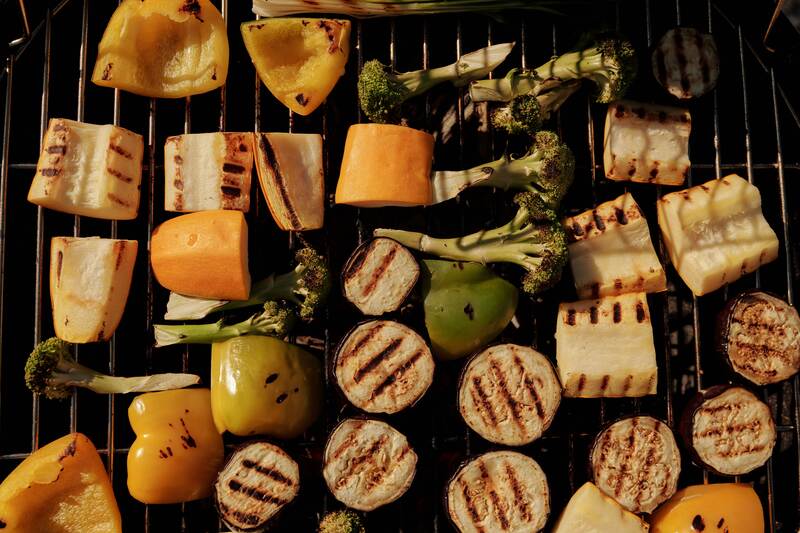
Sautéed hibachi vegetables show what is Hibachi food through a colorful mix of fresh vegetables cooked quickly on a hot griddle with simple seasonings. (Image by Pexels)
Signature Dipping Sauces
Dipping sauces bring extra flavor to grilled proteins, vegetables, rice, and other hibachi favorites. Common options include:
Yum yum sauce: Generally creamy and mildly sweet.
Ginger sauce: Offers a lighter, tangier taste.
Mustard-based sauces: Provide another way to complement the savory flavors on the plate.
Sauce options vary by restaurant, so the exact selection may differ from one hibachi menu to another.
For anyone curious about what is Hibachi food, its flavor profile is typically savory, buttery, smoky, and slightly sweet, with rich umami notes from soy sauce, garlic, and seasonings.
Cooking ingredients quickly on a very hot surface also creates light browning and caramelization, giving meats and vegetables deeper flavor while sauces add creamy, tangy, or mildly sweet contrasts.
4. Tips for Ordering Hibachi Like You’ve Been There Before
Walking into a hibachi restaurant is more enjoyable when you already understand how the menu is structured. From selecting proteins to checking what’s included with an entrée, these simple tips can help you order confidently and put together a meal that matches your preferences.
Start with the protein: Steak, chicken, shrimp, scallops, and lobster are common menu options at American hibachi restaurants. Combination entrées can be useful when you want to try more than one protein.
Check what your entrée includes: Soup, salad, vegetables, rice, or noodles may already come with the meal, depending on the restaurant. Checking what’s included before ordering can help you avoid unnecessary add-ons.
Specify your preferred doneness: If you’re ordering steak, you may be able to select your preferred level of doneness. Mention it clearly when placing your order, especially when several guests are being served at the same cooking station.
Understand the typical plate: When exploring what type of food is Hibachi, you’ll often encounter meals built around griddle-cooked protein and vegetables, accompanied by rice or noodles and dipping sauces. Exact combinations vary by restaurant.
Compare rice and noodle options: Fried rice and noodles are common accompaniments, but preparation styles and substitution policies vary. Check whether your entrée already includes one and whether switching or adding another option costs extra.
Request sauces according to your taste: Yum yum sauce, ginger sauce, and mustard-based sauces are common accompaniments at many American hibachi-style restaurants. Ordering sauces on the side makes it easier to control how much you use.
Mention allergies before cooking starts: Shared grills, utensils, sauces, and preparation areas may create cross-contact risks. Tell restaurant staff about food allergies or dietary restrictions early so they can explain available accommodations.
Order hibachi with confidence by understanding protein choices, included sides, portions, and available customizations. (Image by Pexels)
5. FAQs about Hibachi Food
Hibachi dining comes with a few details that may not be obvious from the menu, particularly around cooking techniques and dietary restrictions. The answers below cover some of the most useful things to know before sitting down at the grill.
What is the difference between hibachi and teppanyaki?
Traditional hibachi uses a charcoal-burning heating vessel or grill, whereas teppanyaki cooks ingredients on a flat iron griddle. When people ask what is Hibachi food in the U.S., they are often referring to the tableside griddle-cooked meals that are technically closer to teppanyaki.
Is hibachi safe for people with food allergies?
It depends on the restaurant, the specific allergy, and its preparation practices. Allergen cross-contact may occur when grills, utensils, sauces, or preparation areas are shared. Tell restaurant staff about your food allergy before ordering and ask how ingredients are handled so you can determine whether the restaurant can accommodate your needs safely.
How can you customize a hibachi order for food allergies or gluten-free diets?
Speak with restaurant staff about sauces, marinades, seasonings, and cooking oils before placing your order because recipes differ between restaurants. For gluten-free dining, confirm whether soy sauce and other condiments contain wheat, and ask whether separate utensils or cooking surfaces can be used when necessary.
Final Thoughts
Hibachi dining combines bold flavors, freshly cooked ingredients, and an entertaining experience that can make the meal just as memorable as the food itself.
Once you understand what is Hibachi food, it becomes easier to recognize common menu choices and distinguish the American restaurant experience from traditional Japanese cooking. Use that knowledge to order with more confidence on your next visit.
Share
TAG Blog
Stories, guides, and helpful updates for staying connected.